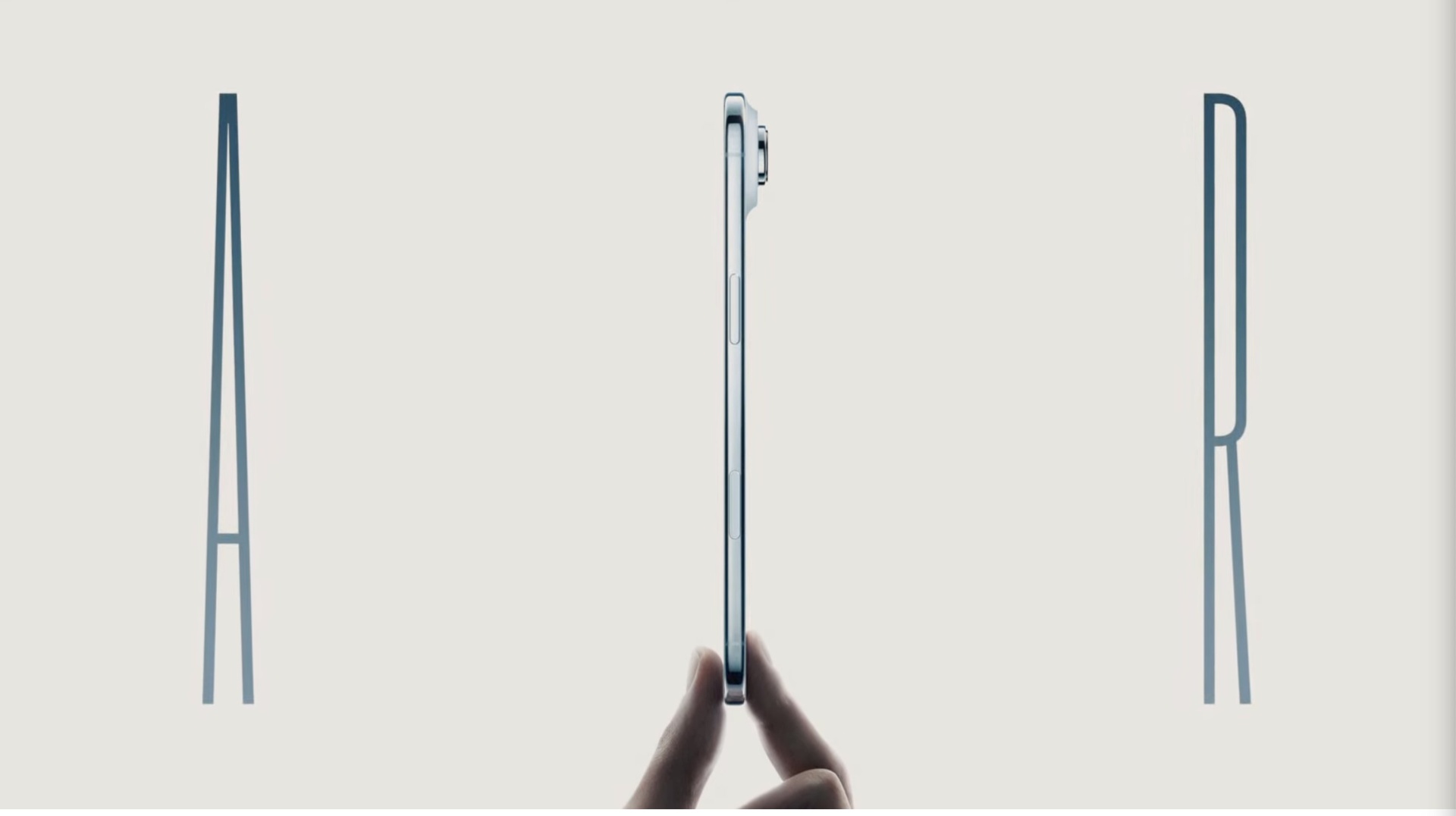
Apple’s experiment with an ultra-slim iPhone appears to have backfired so badly that it may have chilled the entire “thin-phone” trend before it ever had a chance to take off. According to a new report from DigiTimes, several major Chinese smartphone makers, including Xiaomi, Oppo, and Vivo, have paused or shelved plans to release dedicated rivals aimed directly at the iPhone Air.
That pullback matters because it suggests the problem isn’t just one underperforming model—it’s a weak appetite for the whole ultra-thin smartphone concept. In other words, if the market leader can’t make “thinner than ever” feel essential, it becomes much harder for competitors to justify copying the formula.
One key backdrop here is eSIM adoption in China. Domestic eSIM support was only authorized recently, and Apple’s iPhone Air arrived as an eSIM-only variant—turning the feature into a fresh talking point overnight. But rather than betting on ultra-slim hardware as the flagship reason to upgrade, DigiTimes says Chinese brands are shifting strategy: they’re looking to spread eSIM support across a wider range of phones instead of tying it to a niche, ultra-thin “showpiece” design.
The iPhone Air’s sales performance also appears to be influencing production decisions. A recent report from The Information claimed Foxconn was expected to stop iPhone Air production lines by the end of November, while Luxshare—the model’s other assembler—reportedly had already halted its production back in October as sales momentum slowed.
Looking further ahead, The Information also reported that the iPhone Air 2 has been pushed back to spring 2027. Earlier chatter pointed to Apple wanting to upgrade the device with a dual-camera setup, but Bloomberg’s Mark Gurman has suggested the delay may instead be tied to the next-generation A20 chip. The A20 is expected to use TSMC’s 2nm process and a more advanced packaging approach known as Wafer-Level Multi-Chip Module (WMCM), which could allow components like the processor and DRAM to be integrated together at the wafer level.
If the A20 really does depend on cutting-edge 2nm capacity, supply limitations could force Apple to adjust its release schedule to better match chip availability. Under this scenario, shifting the iPhone Air’s timing—so it launches alongside the iPhone 18 and iPhone 18e in spring 2027 rather than in fall 2026—could be a practical way to manage constrained supply.
Importantly, Gurman has also indicated Apple never expected the iPhone Air to be a massive volume driver, projecting it to account for roughly 6% to 8% of annual iPhone sales. That framing helps explain why Apple may still view the ultra-thin iPhone as worthwhile: even if it’s not a mainstream hit, it can function as an “experimental platform” for testing new technologies.
For rival brands, though, the calculus is different. Without the same incentive to use an ultra-slim phone as a testbed, many companies appear ready to walk away from the thinness race—especially when everyday buyers continue to signal that battery life and endurance matter far more than shaving a few millimeters off a handset. In a market where people increasingly prioritize practical upgrades, ultra-thin design alone may simply not be compelling enough to build an entire product category around.