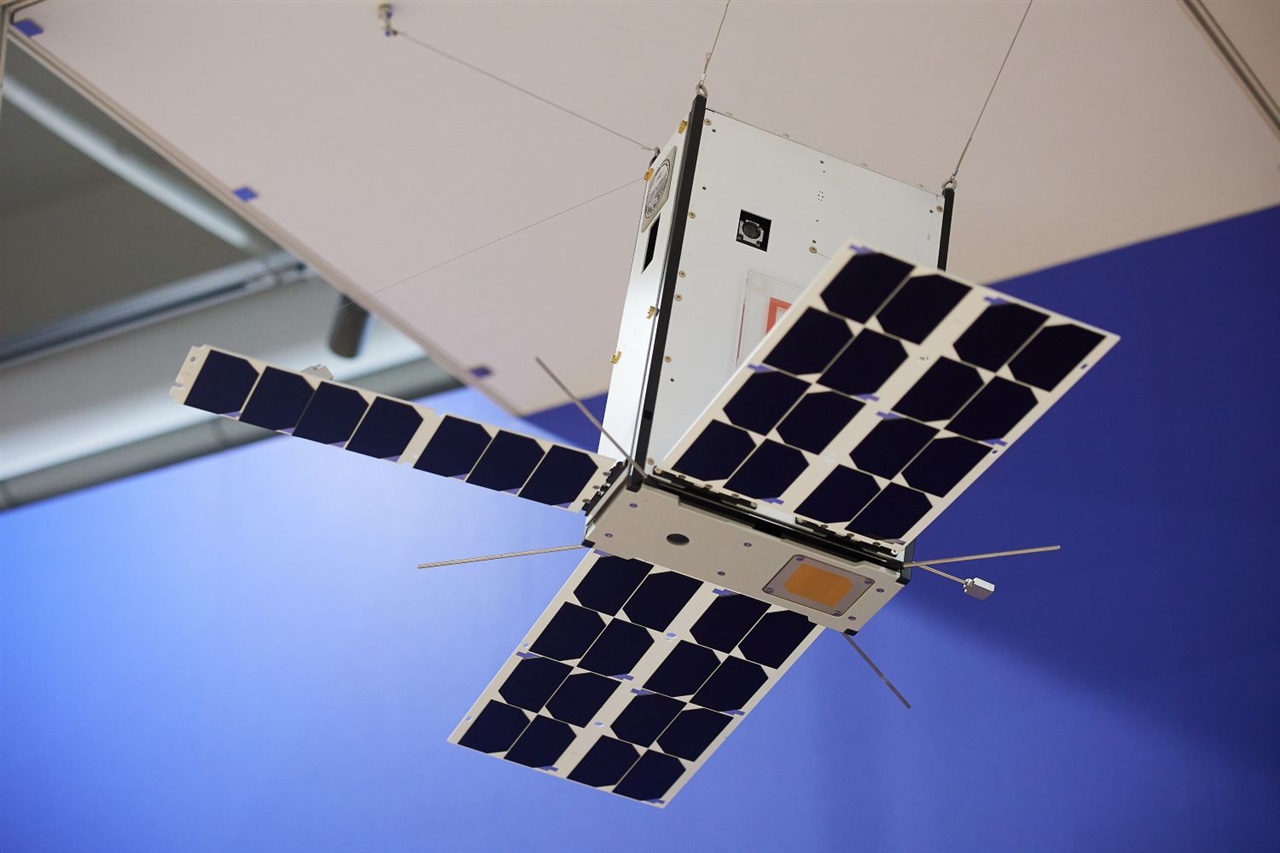
Low Earth Orbit (LEO) satellites are quickly becoming the technology that’s reshaping modern fleet management around the world. As businesses push for always-on visibility, safer operations, and smarter logistics, LEO satellite networks are emerging as a major force behind the real-world commercialization of the Internet of Vehicles (IoV).
Fleet management has traditionally depended heavily on cellular coverage for vehicle tracking, driver monitoring, dispatch coordination, and route optimization. The challenge is that cellular networks still struggle with gaps—especially in remote highways, rural regions, mountainous routes, offshore operations, and cross-border corridors. LEO satellites solve this problem by delivering broader, more consistent connectivity that helps keep vehicles and assets connected even when terrestrial signals drop.
What makes LEO satellites especially valuable is how they support near-real-time communication for moving vehicles. This matters for fleet operators who need frequent location updates, reliable telematics data, and rapid alerts for maintenance issues, delays, or safety incidents. With LEO satellite coverage, the vehicle becomes a continuously connected node—helping IoV move from a promising concept into a scalable business reality.
The shift is bigger than basic GPS tracking. LEO-enabled IoV supports a more intelligent fleet ecosystem where data from vehicles, sensors, and operational systems can be shared more reliably across long distances. That can translate into stronger decision-making: better route planning, improved fuel efficiency strategies, reduced downtime through predictive maintenance, and more accurate delivery forecasting. For industries like logistics, trucking, shipping support, mining, energy, construction, and emergency response, that kind of always-available connection can be transformative.
LEO satellites are leading this global fleet management revolution because they align with what the market is demanding right now: dependable connectivity, broader operational reach, and scalable infrastructure that can support growing IoV adoption. As more fleets look to digitalize operations and compete on speed, safety, and efficiency, LEO satellite connectivity is becoming less of a “nice-to-have” and more of a key business enabler.
In short, LEO satellites are not just enhancing fleet management—they’re accelerating the commercialization of the Internet of Vehicles by making connected mobility more practical, more reliable, and more global than ever before.