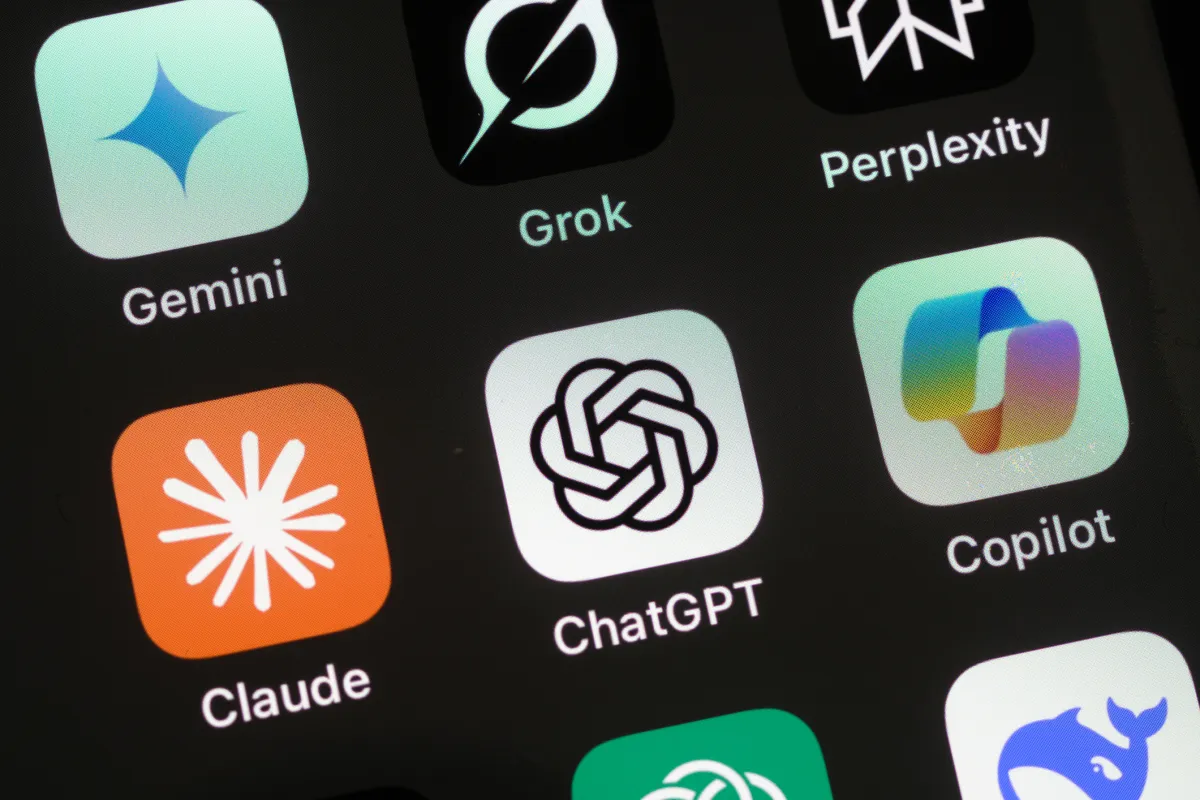
A new analysis from app intelligence firm Appfigures shows a clear trend in the AI app market: image model releases are now the biggest driver of growth for AI mobile apps, delivering about 6.5 times more downloads than traditional model upgrades.
That’s a major change from earlier waves of demand, when new AI models focused on better conversations—and features like voice chat—were the updates that pushed people to install and try these apps. Today, improved image generation appears to be the feature that sparks the most curiosity and sharing, translating into fast spikes in installs.
Two of the biggest winners were ChatGPT and Google’s Gemini, both of which saw tens of millions of additional downloads after rolling out new image capabilities.
In Gemini’s case, Appfigures points to the release of its image model known as Nano Banana as a major catalyst. Over the 28 days after the Gemini 2.5 Flash image model launched last August, Gemini picked up more than 22 million additional downloads. That surge pushed the app’s installs to more than four times its prior level during the same period.
ChatGPT showed a similar download boost after it introduced its GPT-4o image model in March of last year. Appfigures estimates the app gained over 12 million incremental installs in the following 28 days. Notably, that jump was around 4.5 times larger than the download lift ChatGPT saw from other major model releases such as GPT-4o (non-image), GPT-4.5, and GPT-5 updates—highlighting how much stronger the pull of visual creation has become.
The trend isn’t limited to still images, either. Appfigures also cited Meta AI’s launch of Vibes, a visual-focused AI video feed, which generated an estimated 2.6 million additional downloads over the 28 days after its September 2025 release. While it’s technically a video feature, the underlying driver is the same: users are responding to visual creation and visual-first experiences more than text-only improvements.
But the report also delivers an important reality check for anyone tracking the AI app economy: downloads don’t automatically translate into revenue.
According to Appfigures, image model launches give people a reason to install an app and test new image-generation features, but many of those users don’t convert into paying subscribers. Gemini’s Nano Banana release is a good example of this gap. Despite generating a larger download spike than ChatGPT’s GPT-4o image model, it drove only about $181,000 in estimated gross consumer spending during the 28-day window Appfigures examined.
Meta AI’s Vibes release followed a similar pattern—more installs, but no meaningful revenue impact.
Among the examples analyzed, ChatGPT was the standout in turning attention into actual consumer spending. Appfigures estimates that OpenAI’s GPT-4o image-generation rollout led to about $70 million in gross consumer spending over the 28 days after launch, compared with the prior baseline.
Appfigures also looked at DeepSeek, but noted it didn’t match the same image-model-driven pattern. DeepSeek R1 generated 28 million downloads after its January 2025 release, but that surge was tied to a breakout moment: widespread industry curiosity as the company became an overnight sensation, fueled by discussion of how it trained models at a fraction of competitors’ costs. It’s a reminder that massive install spikes can still come from hype and discovery—but in this case, the driver wasn’t image generation.
The takeaway is straightforward: in today’s AI mobile app race, new image and visual model releases are becoming the most reliable way to drive large bursts of downloads. However, only a subset of apps are successfully converting that attention into subscription revenue—meaning the next competitive frontier isn’t just better image creation, but better monetization and retention after users try it once.