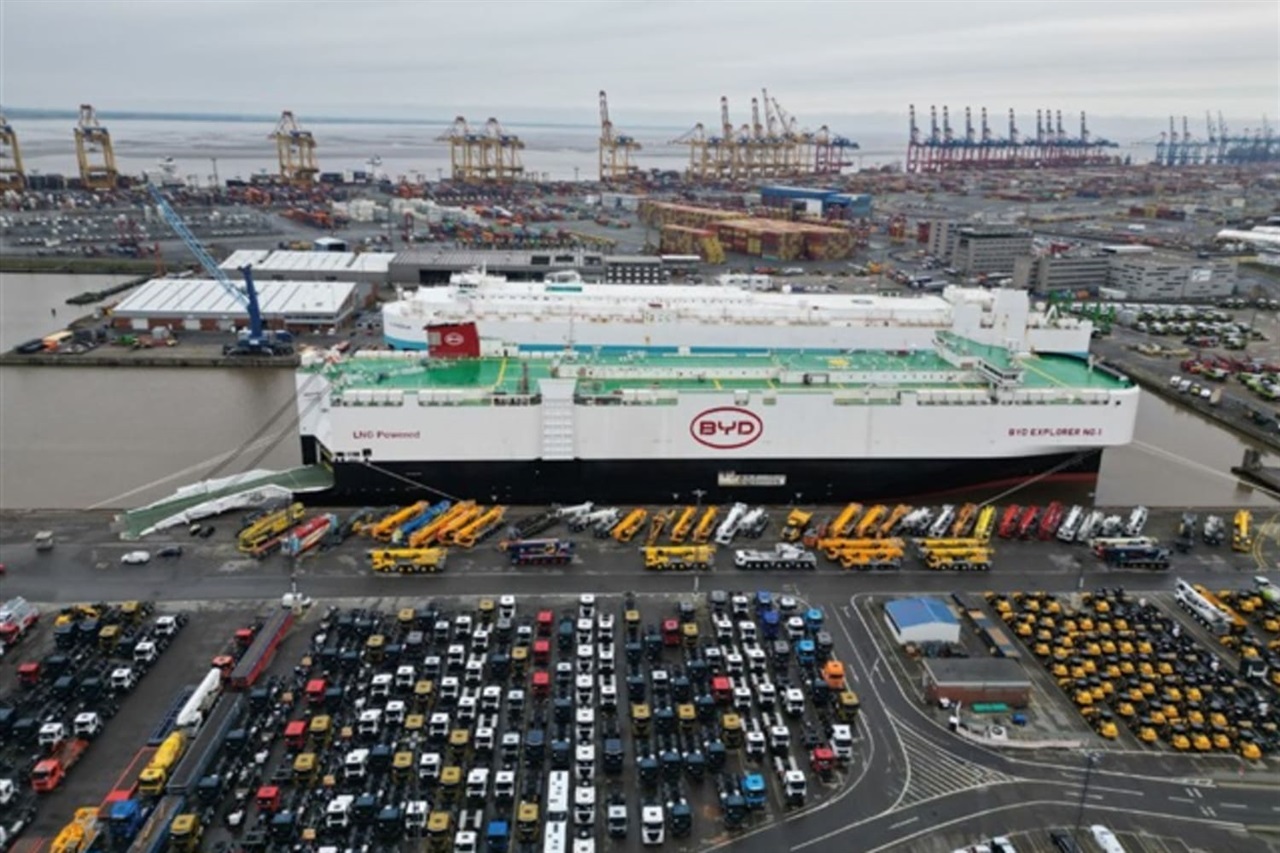
Chinese automakers are rethinking how they reach American buyers as US trade barriers continue to rise. Instead of relying on a straightforward “build in China, ship to the US” model, many brands are shifting to a smarter, more flexible approach that leans on North America’s own supply chain. The result is a new “buffer route” strategy that uses Canada and Mexico as strategic transit points to help Chinese carmakers stay competitive while navigating tariffs, tighter customs scrutiny, and changing trade rules.
At the center of this strategy is a simple idea: reduce exposure to direct US import penalties by restructuring where vehicles are assembled, finished, or processed before they reach American soil. By routing vehicles or key components through Canada or Mexico, Chinese automakers can potentially lower costs, shorten delivery timelines, and fit more neatly into North American production and logistics networks. This approach also allows them to adapt quickly as regulations change, rather than being locked into one export-heavy plan.
The shift signals something bigger than a rerouted shipping lane. Chinese automakers are also evolving from shipping only fully assembled vehicles to building a presence within the North American manufacturing and distribution ecosystem. That can include sending parts rather than complete vehicles, using regional facilities for final assembly or customization, or partnering with local suppliers and logistics providers. These moves help them keep pricing aggressive—one of the biggest advantages Chinese brands have—while responding to the political and economic realities shaping US automotive trade.
For customers and the broader industry, this could reshape how affordable electric vehicles and value-focused models enter the market. If Chinese automakers can effectively integrate into Canada- or Mexico-linked supply chains, they may be able to maintain steady inventory and competitive prices even as direct import restrictions tighten. At the same time, policymakers and US-based manufacturers are likely to watch these “buffer route” strategies closely, since they highlight how global automakers can adjust to trade friction without stepping away from the market entirely.
Ultimately, this is a story about supply chain agility. As US trade barriers intensify, Chinese automakers aren’t simply retreating—they’re redesigning their route to market. By using Canada and Mexico as key transit and supply chain hubs, and by moving beyond a pure export model, they’re attempting to preserve growth in one of the world’s most important automotive markets while staying one step ahead of shifting trade conditions.