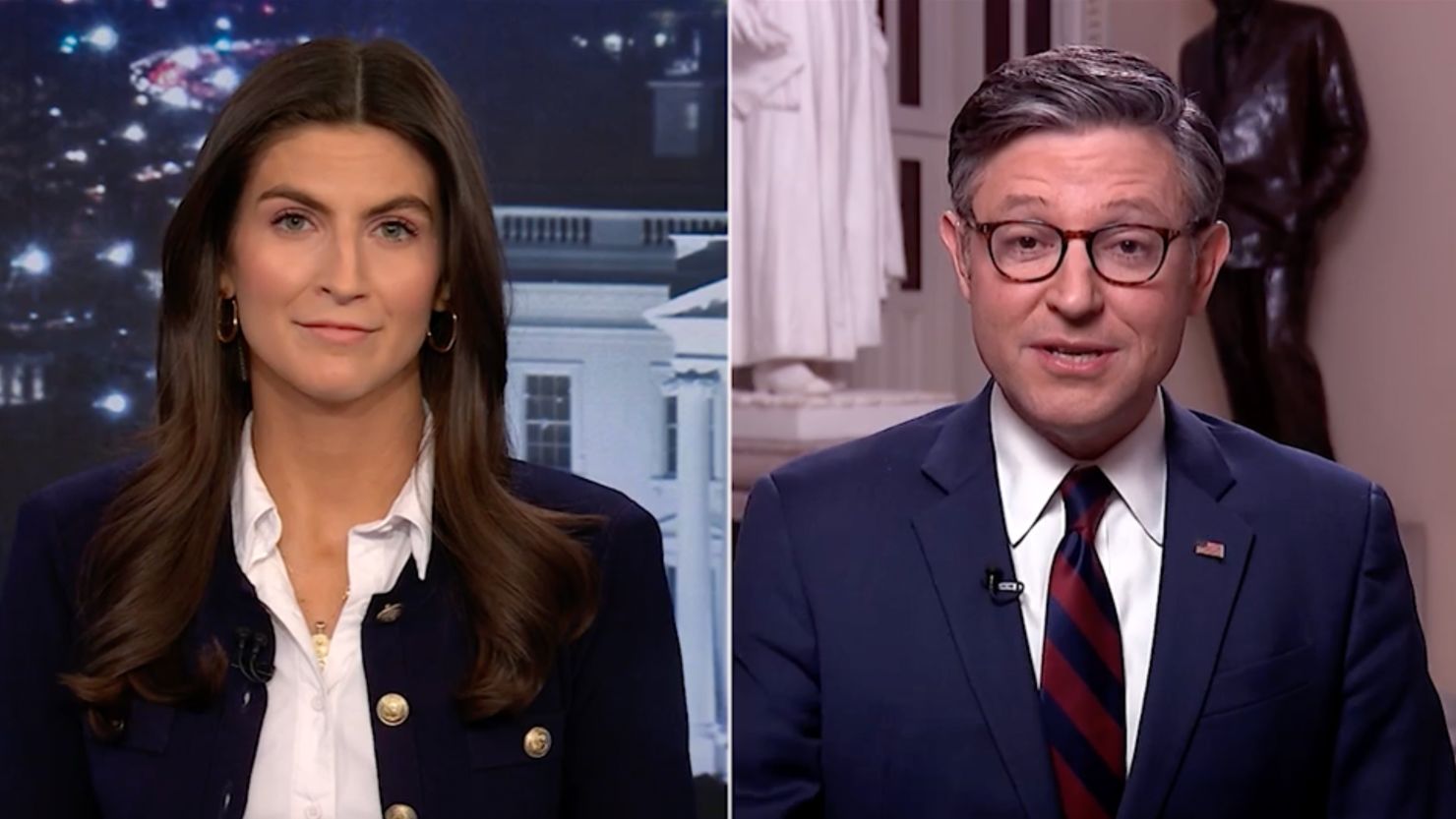
In a fiery exchange on CNN, U.S. House Speaker Mike Johnson criticized male gamers while defending a proposal to slash Medicaid funding. The proposed legislation, passed by the House, could potentially cut Medicaid by a staggering $880 billion, sparking widespread debate.
When questioned by CNN’s Kaitlan Collins about the bill’s impact on vulnerable populations, Johnson dismissed concerns that deserving individuals would lose support. He insisted that low-income single mothers would remain in the program, but pointed blame at “29-year-old males sitting on their couch playing video games” as unworthy of government aid.
Johnson passionately suggested that these men need to get back to work, implying that removing their government assistance would be a motivating factor. The implication was clear: gaming was deemed less important than active participation in the workforce.
The remark ignited a flurry of online reactions. While some conservative voices sided with Johnson, labeling male gamers as “bums of society,” others took a more critical stance. One impassioned commentator highlighted that Medicaid serves a diverse group, including children, seniors, disabled individuals, and working adults struggling with the high costs of healthcare. This critic argued that Johnson’s focus on gamers was a distraction from larger financial issues, such as tax breaks for the wealthy.
This isn’t the first time gamers have come under scrutiny. Recently, other conservative figures have made disparaging remarks towards gamers, suggesting a resurgence of the anti-gamer sentiments reminiscent of the 1990s. However, these criticisms overlook the fact that a significant portion of the gaming community is comprised of women. Despite such opposition, the gaming culture continues to thrive, evolving beyond the outdated stereotypes.
The conversation around Medicaid, gaming, and government priorities is far from over, with each side firmly holding their ground in this ongoing debate.


