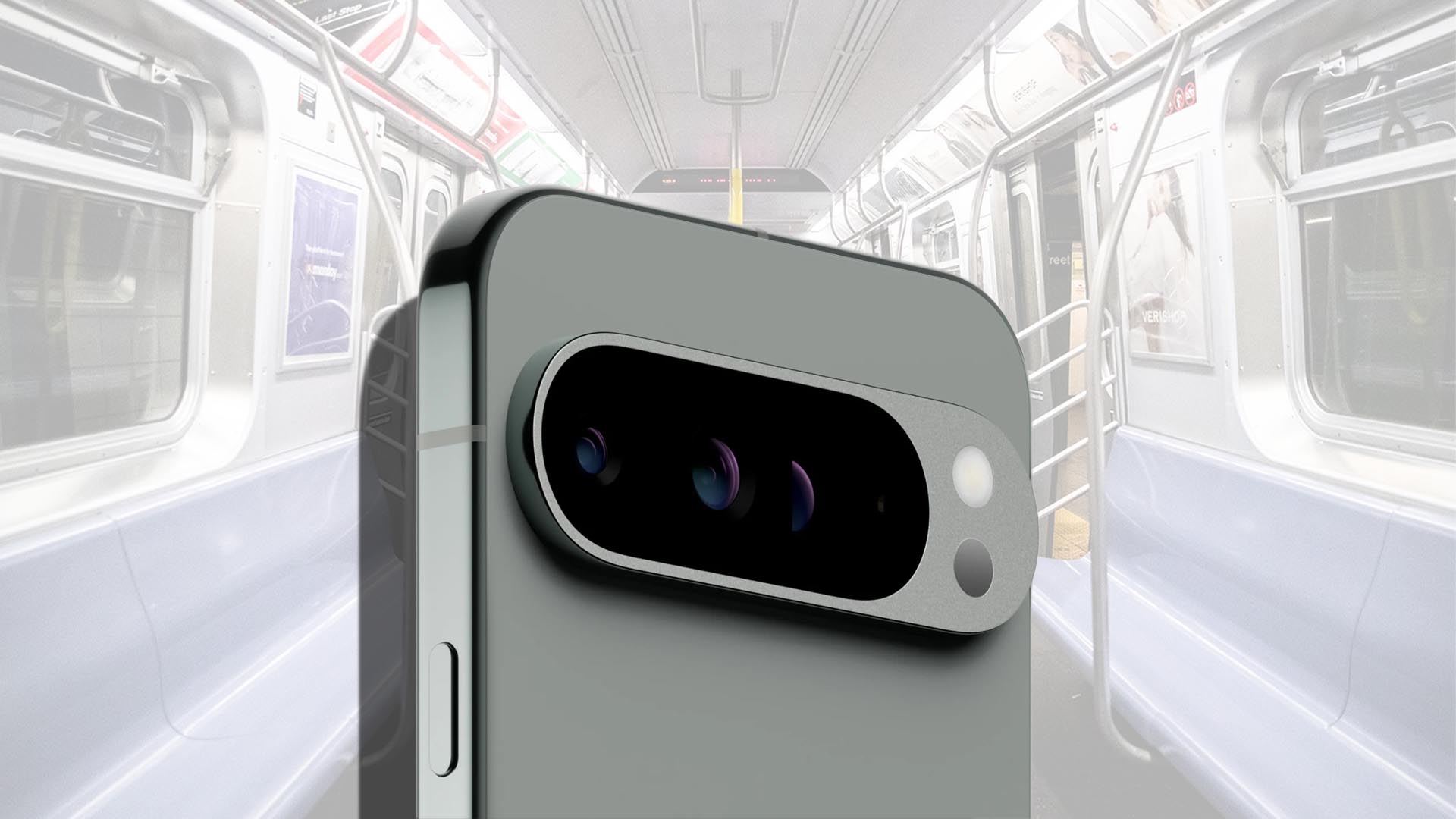
In a groundbreaking effort to enhance the safety and efficiency of New York City’s subway system, Pixel smartphones have been making waves on four subway cars since last September. This initiative is a game-changer, aiming to save significant costs while potentially preventing life-threatening incidents. The collaboration between the Metropolitan Transportation Authority (MTA) and Google has leveraged these devices to experiment with solutions that circumvent the need for costly traditional equipment.
Traditionally, maintaining and inspecting the sprawling 665 miles of New York City’s subway infrastructure is no small feat. Typically, this task is labor-intensive, relying on human inspectors to walk the tracks and specialized ‘train geometry cars’ equipped with numerous sensors. But what if modern technology could simplify this process? This is where Google’s innovative TrackInspect technology comes into play.
During a four-month trial period, Google’s Pixel smartphones were instrumental in detecting key indicators of infrastructure issues through TrackInspect. The technology utilizes the phones’ internal sensors to capture vibrations, audio, and location data, which can then feed AI models developed to predict potential defects. Remarkably, these smartphones identified 92 percent of defect locations, which were later confirmed by the inspection team, showcasing their potential to transform subway maintenance.
MTA’s President, Demetrius Crichlow, envisions an advanced system that could proactively address subway issues, potentially before they disrupt service for the approximately 3.7 million daily commuters who depend on it. Such a system could signify a revolutionary shift in how urban transit networks are monitored and maintained.
During the trial, TrackInspect amassed 335 million sensor readings and 1,200 hours of audio, supplementing these with the New York City Transit’s track defect database to train about 200 AI prediction models. This massive data-driven approach is setting the stage for Google and the MTA to embark on a full-scale pilot project. Should it prove successful, this partnership could mark the beginning of substantial cost savings and more reliable transit services, a win-win for all involved.