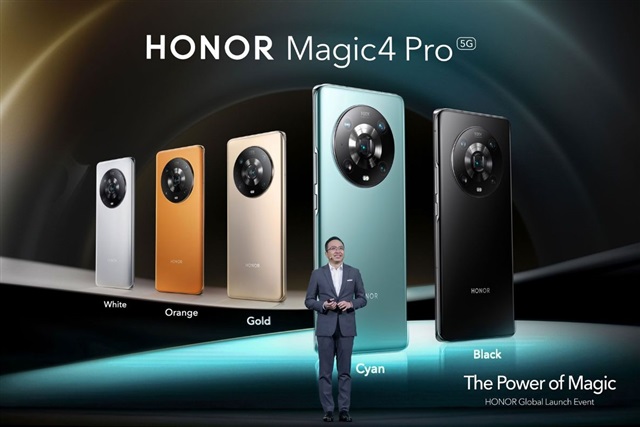
In light of Honor’s consideration of an initial public offering (IPO), the company known for its mid-to-high-end smartphones faces a myriad of market challenges, particularly as its former parent company Huawei is witnessing a resurgence. After its split from Huawei, Honor has managed to defy odds by establishing itself independently in the competitive smartphone arena. However, the route towards a successful IPO is fraught with complexities that the company must navigate.
As Honor explores the possibility of going public, it must scrutinize the prevailing market conditions that are critical in determining the success of its IPO. The global smartphone market, characterized by saturation and intense competition, presents a significant obstacle. Moreover, factors such as economic uncertainty, fluctuating investor sentiment, and regulatory challenges can also affect the potential IPO outcome.
Honor’s past association with Huawei adds another layer of complexity to the situation. While it has managed to operate independently and create a distinct brand identity, the resurgence of Huawei in the technology market can have an ambiguous impact. On one hand, it could signify a growing market strength in Chinese technology firms that may benefit Honor. On the other hand, Huawei’s comeback could represent fiercer competition and potentially diminish Honor’s market share.
Steering through these obstacles requires a strategic approach, from selecting the right timing for its IPO to positioning the company favorably in the eyes of investors. Additionally, maintaining a strong performance in terms of innovation, market presence, and financial stability is crucial to instilling confidence among potential shareholders.
Intriguingly, Honor’s journey offers valuable insights for companies looking to go public. It underscores the importance of market positioning, the assessment of external factors, and the need to keep a pulse on industry trends. For businesses vying for a transformation like an IPO, the key takeaway is to thoroughly evaluate the market landscape and align IPO plans with broader corporate strategies and economic conditions.
Furthermore, companies must acknowledge the role of consumer perception and brand value, especially in sectors like consumer electronics where brand loyalty and product differentiation are paramount. Honor’s experience can thus serve as a case study that highlights the importance of these factors for companies contemplating an IPO or any form of corporate restructuring in a complex market scenario.