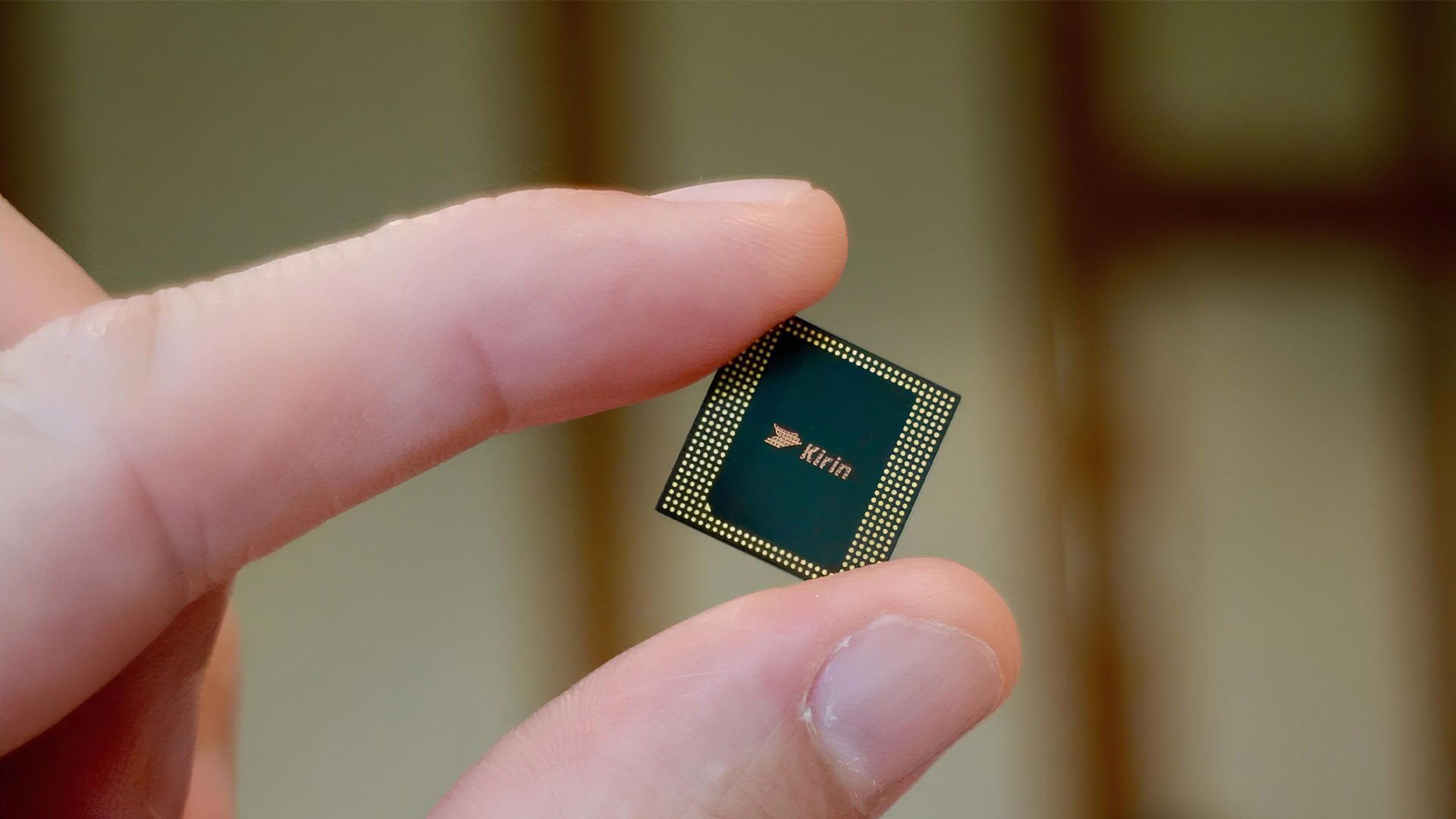
The technological landscape witnessed an unexpected twist with Huawei’s introduction of the Kirin 9000S in its 2023 Mate 60 series, marking a significant turning point for the brand. This chipset paved the way for Huawei to stage a remarkable comeback, posing a formidable challenge to competitors within China, the largest smartphone market globally dominated by Huawei and Apple. What stands out in this narrative is Huawei’s resilience in navigating the restrictive U.S. trade sanctions, re-emerging with strategic intent.
A recent report highlights Huawei’s ambitious plans for a global expansion, aiming to introduce a range of devices featuring its Kirin processors. Leveraging the potential of its in-house developed HarmonyOS, Huawei seeks to defy the trade ban’s constraints, pushing their innovations seamlessly into international markets.
Previously, Huawei faced significant barriers when venturing beyond its home territory due to the inability to provide a comprehensive Android experience, as Google’s services were unavailable on its devices. However, HarmonyOS changes the game, enabling Huawei to establish an independent software ecosystem complete with a diverse app store offering alternatives to Android.
By the end of last year, Huawei’s push for global presence was evident, with promotional displays of the Mate X6 present in key international markets such as Dubai, Kuala Lumpur, and Hong Kong. Currently, Huawei is set to expand its reach across 60 countries, posing a new challenge to its competitors. Despite this, Huawei faces technological limitations, primarily due to the lack of access to TSMC’s advanced fabrication capabilities, leaving it reliant on SMIC’s 7nm technology, which lags behind in the semiconductor race.
The Kirin 9020 is reportedly in mass production utilizing this 7nm process, yet Huawei remains technologically a few steps behind its rivals. Nevertheless, the company aims to close this gap by enhancing HarmonyOS, ensuring that its devices deliver a leading-edge, seamless experience comparable to top-tier Android smartphones equipped with advanced chipsets like the Snapdragon 8 Elite.
As Huawei navigates through these complexities, only time will reveal how it manages the obstacles ahead, redefining its path in the ever-evolving global smartphone arena. Keep an eye out for more updates on this intriguing saga.