Honor Robot Phone camera specs revealed ahead of August 12 launch
Honor has shared fresh details about its upcoming Robot Phone, and the camera system is clearly the main attraction. Set to launch on August 12, the device is shaping up to be one of the company’s most ambitious mobile photography projects yet, combining high-resolution sensors, advanced stabilization, and cinema-inspired video tools.
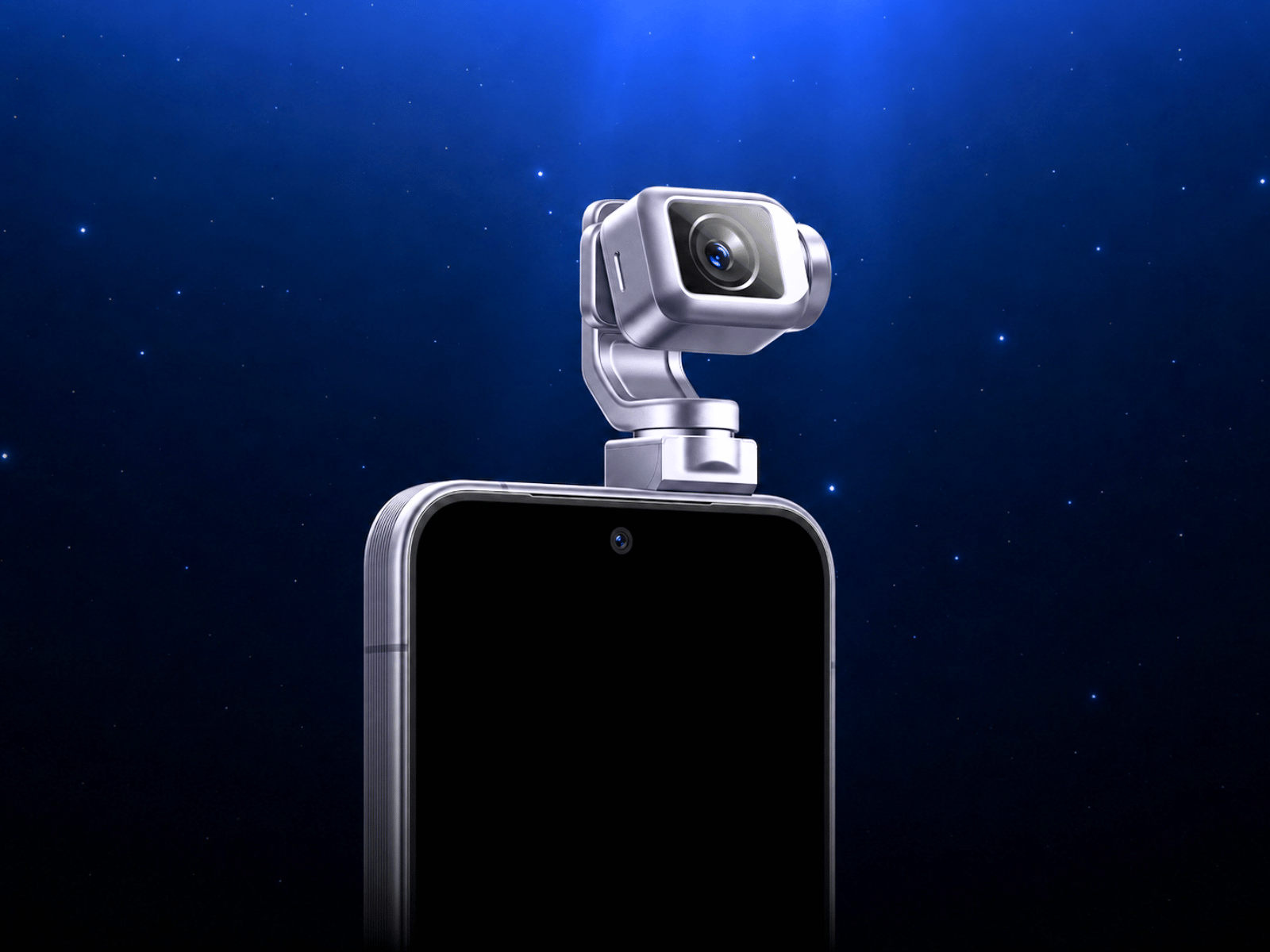
The Honor Robot Phone will feature a triple rear camera setup led by a 200MP main camera. This primary sensor measures 1/1.28 inches and uses a bright f/1.6 aperture, which should help capture more light for sharper, cleaner images in challenging lighting conditions. What makes it even more interesting is the miniaturized three-axis gimbal system supporting the main camera, designed to improve stabilization for both photos and videos.
Alongside the 200MP main sensor, Honor is adding a 50MP ultra-wide camera for landscape shots, group photos, and wide-angle scenes. The third camera is another 200MP sensor, this time used for a periscope telephoto lens. That means the Robot Phone is expected to offer strong zoom performance while keeping image quality high.
Honor revealed these camera details during an imaging technology event in Hengdian, Zhejiang province, China. At the same event, the company announced a partnership with German cinema equipment brand ARRI. The collaboration aims to bring professional filmmaking-style imaging features to a smartphone, giving users more control over how their photos and videos look.
Powering the camera system is Honor’s new in-house image signal processor, called the Yuguang H1. This chip works with a custom gimbal motor weighing just 2.6 grams. According to Honor, the motor is 65 percent smaller than typical gimbal motors while offering 35 percent higher torque density. The company also says the hardware design is protected by more than 100 patents.
The Robot Phone’s image processing system works in real time directly on the device. It manages important camera elements such as white balance, exposure, tone, glare reduction, and detail enhancement across all three lenses. This should help create more consistent images when switching between the main, ultra-wide, and telephoto cameras.
Video recording is another major focus. The phone includes AIMAGE 2.0, a stabilization engine built to keep footage steady while the user is moving. With ARRI integration, the Honor Robot Phone will also support native Log-C video encoding and LUT color grading files on the device. These features are commonly associated with professional video workflows and could appeal to creators who want more flexibility in editing.
Users will also be able to manually lock focus, white balance, and exposure settings. This gives more creative control when filming, especially in scenes where lighting or movement changes quickly. Honor says the system can also support the transfer of camera movement data, bringing mobile video creation closer to professional production methods.
Honor has confirmed that this camera technology will not be limited to the Robot Phone. The company plans to use parts of the system in future Honor smartphones, including the upcoming Magic 9 series. Honor and ARRI also plan to establish a joint imaging lab focused on developing future mobile camera innovations.
With dual 200MP cameras, a gimbal-stabilized main sensor, a custom imaging chip, and cinema-grade video features, the Honor Robot Phone could become one of the most talked-about camera phones of the year. The official launch on August 12 should reveal the full picture, including pricing, availability, and the rest of the device’s hardware specifications.