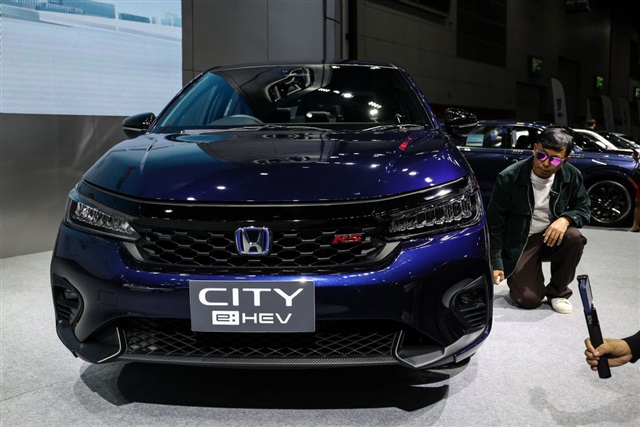
As electric vehicle demand slows in the United States, two major automotive and battery players are recalibrating their strategy for North America. Honda Motor and LG Energy Solution are adjusting their electrification plans to better match what American drivers are buying right now—putting a stronger emphasis on hybrids as the market cools on fully electric models.
The shift highlights a broader change across the U.S. auto landscape. After a period of rapid EV enthusiasm, many consumers are taking a more cautious approach due to factors like pricing, charging availability, and day-to-day practicality. In response, automakers are leaning into hybrids as a middle ground: vehicles that can reduce fuel use and emissions without requiring drivers to rely entirely on public charging infrastructure.
For Honda, this pivot signals a more flexible approach to its long-term transition toward electrification. Rather than pushing all-in on battery-electric vehicles in the short term, prioritizing hybrid technology allows the company to remain competitive while still moving toward cleaner transportation. Hybrids also tend to align well with buyers who want improved efficiency but aren’t ready to commit to a fully electric lifestyle.
LG Energy Solution’s involvement underscores how closely battery production plans are tied to real-world vehicle demand. When automakers adjust EV timelines, battery suppliers must also adapt production priorities, investments, and partnerships to stay aligned with what will sell in the near term. A stronger hybrid focus can also influence what kinds of batteries and production capacity are most important in the region.
This course correction doesn’t mean EVs are disappearing from the roadmap. Instead, it suggests a more measured and market-driven rollout in the U.S., where hybrids may serve as the bridge between traditional gasoline vehicles and the fully electric future many companies still expect. For shoppers, it could mean more hybrid choices arriving sooner—offering an upgrade in efficiency without the hurdles that continue to slow broader EV adoption.