Hollow Knight: Silksong shatters records, then runs into a translation storm
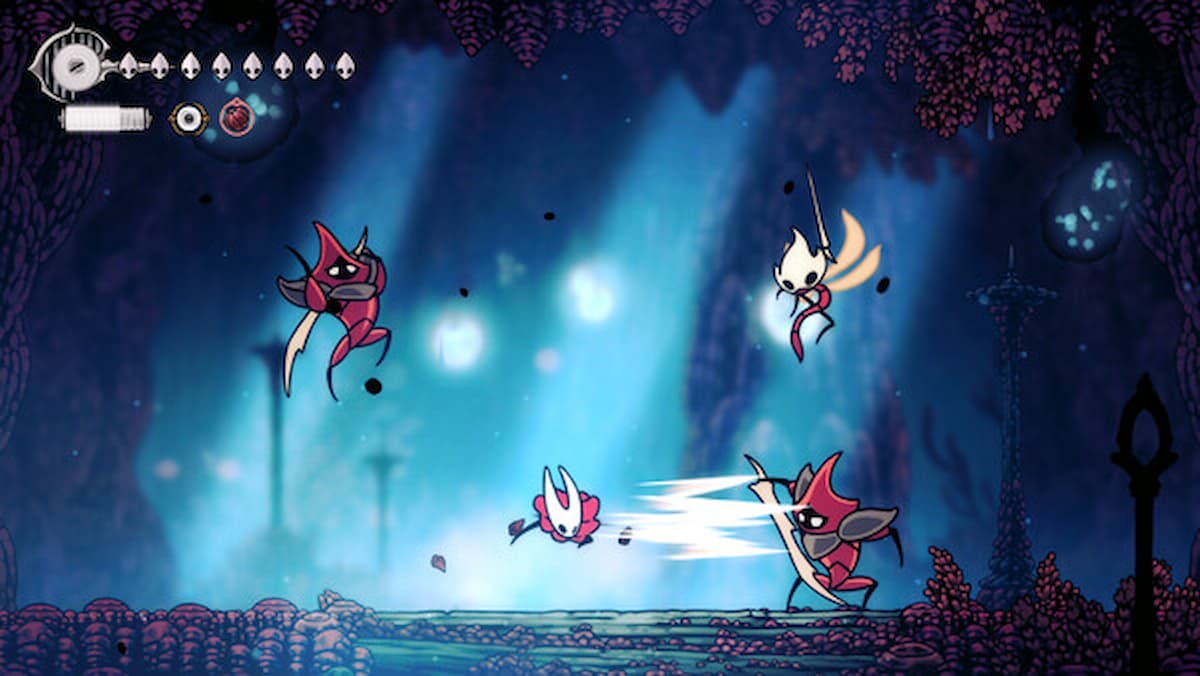
Hollow Knight: Silksong launched to staggering success, smashing past 500,000 concurrent players on Steam and briefly overwhelming multiple storefronts. The Metroidvania sequel has drawn widespread acclaim, holding an 82% positive rating overall and earning praise for its combat, exploration, and art direction.
But that celebration has been tempered by a wave of negative reviews from Chinese-speaking players, who say the Simplified Chinese localization severely undermines the game’s tone. The regional rating for Simplified Chinese has slipped to Mixed, with roughly 44% positive reviews, as players argue the translation turns concise, evocative writing into something stilted and unnatural.
Localization expert Loek van Kooten described the shift as taking Silksong’s tight, atmospheric prose and turning it into dialogue that reads like “a high-school drama club’s Elizabethan improv night.” Many players report that in-game text leans on archaic, literary phrasing that feels out of place in the world of Hallownest’s successor. One widely shared review on Steam puts it bluntly: “Your speech has no integrity, your words make no sense, and your so-called elegant phrasing is nothing but forced invention.”
A recent change to Steam’s review system, which separates ratings by language, has contained the impact to the regional page. Without that policy, the controversy might have heavily dragged down the global score, a significant factor given the size of the Chinese player base on the platform.
Team Cherry’s marketing representative, Matthew Griffin, acknowledged the complaints and promised translation improvements “over the coming weeks.” The response, while swift, sparked further debate, with many players asking for a full retranslation rather than incremental tweaks. For now, expectations are high that the studio will prioritize readability, tone, and consistency to better reflect the original writing.
Despite the localization backlash, the core game continues to win over players worldwide. Even many frustrated Chinese reviewers note they love Silksong’s gameplay, worldbuilding, and soundtrack—underscoring that the issue is not the design itself but how the story and atmosphere are conveyed in Chinese.
All eyes are now on the next updates. If the translation is reworked to capture the same lyrical precision as the original text, Silksong could see its regional rating rebound and its launch momentum extend even further. For a game that has already proven it can command massive attention, getting localization right may be the key to turning a rocky regional reception into a universal win.