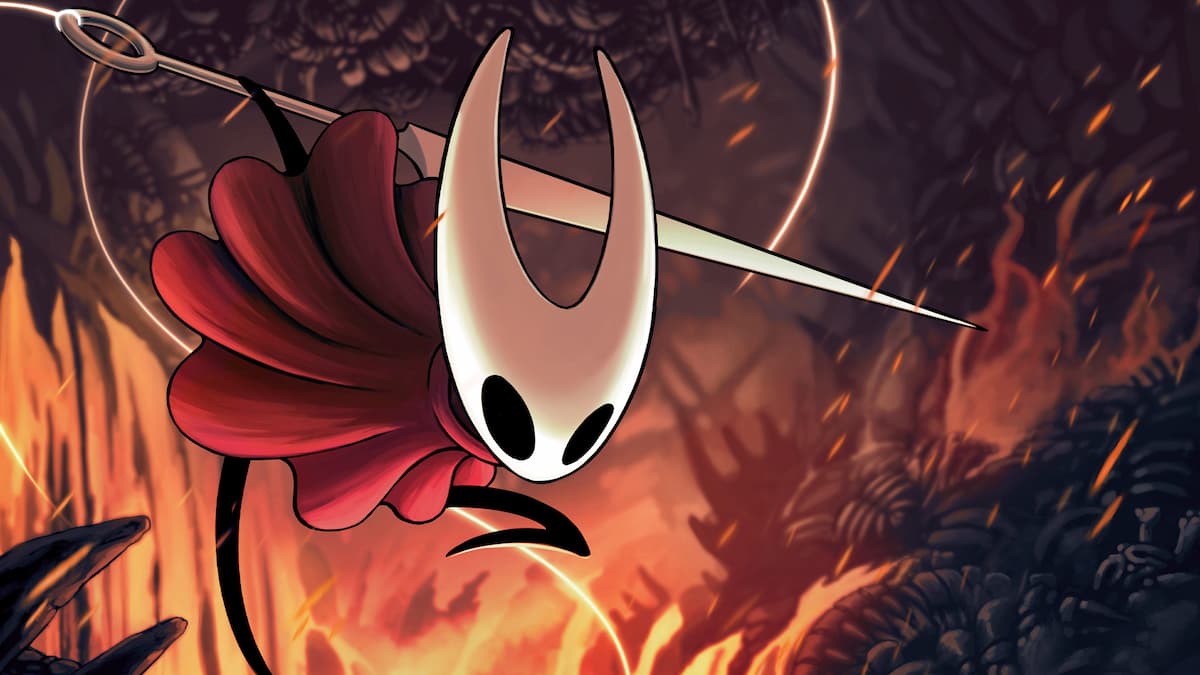
Hollow Knight: Silksong has erupted out of the gate with the kind of momentum most indie games can only dream of. The long-awaited Metroidvania sequel hit an all-time peak of 562,814 concurrent players on Steam and is still holding strong with over 412,000 active players, according to SteamDB figures. That surge pushed it into Steam’s all-time top 20 and left the original Hollow Knight in the rearview mirror.
A smart, player-friendly launch helped fuel the frenzy. Priced at $19.99 and arriving day one across PC and consoles—including Xbox Game Pass, Nintendo Switch, PlayStation 4, and PlayStation 5—the sequel reached a massive audience instantly. The resulting rush briefly strained major storefronts, with Steam, the Nintendo eShop, and the PlayStation Store all experiencing delays as downloads spiked.
Early reception has been overwhelmingly positive. More than 41,000 Steam reviews have already rolled in, with roughly 90% labeled very positive. The game’s community footprint is huge as well, with around 448,000 followers tracked on SteamDB. That enthusiasm spilled onto streaming platforms too: Silksong drew a combined peak of about 362,000 viewers on Twitch, making it the eighth-most-watched category during its first 24 hours.
Crucially, the excitement hasn’t faded after launch day. Player counts have remained above 410,000 in the days since release, a sign that interest is rooted in more than just hype. It’s a powerful example of how thoughtful pricing, broad availability, and strong community engagement can propel an indie title into blockbuster territory.
For fans of precise platforming, deep exploration, and tough-but-fair combat, Silksong is delivering the kind of polished experience that turns curiosity into loyalty. Its launch blueprint—affordable entry, simultaneous multi-platform rollout, and big streaming visibility—sets a new standard for indie debuts and raises expectations across the genre.
If this trajectory continues, Silksong won’t just be one of the biggest indie stories of the year—it will be a case study in how to build, launch, and sustain a modern Metroidvania for a global audience.