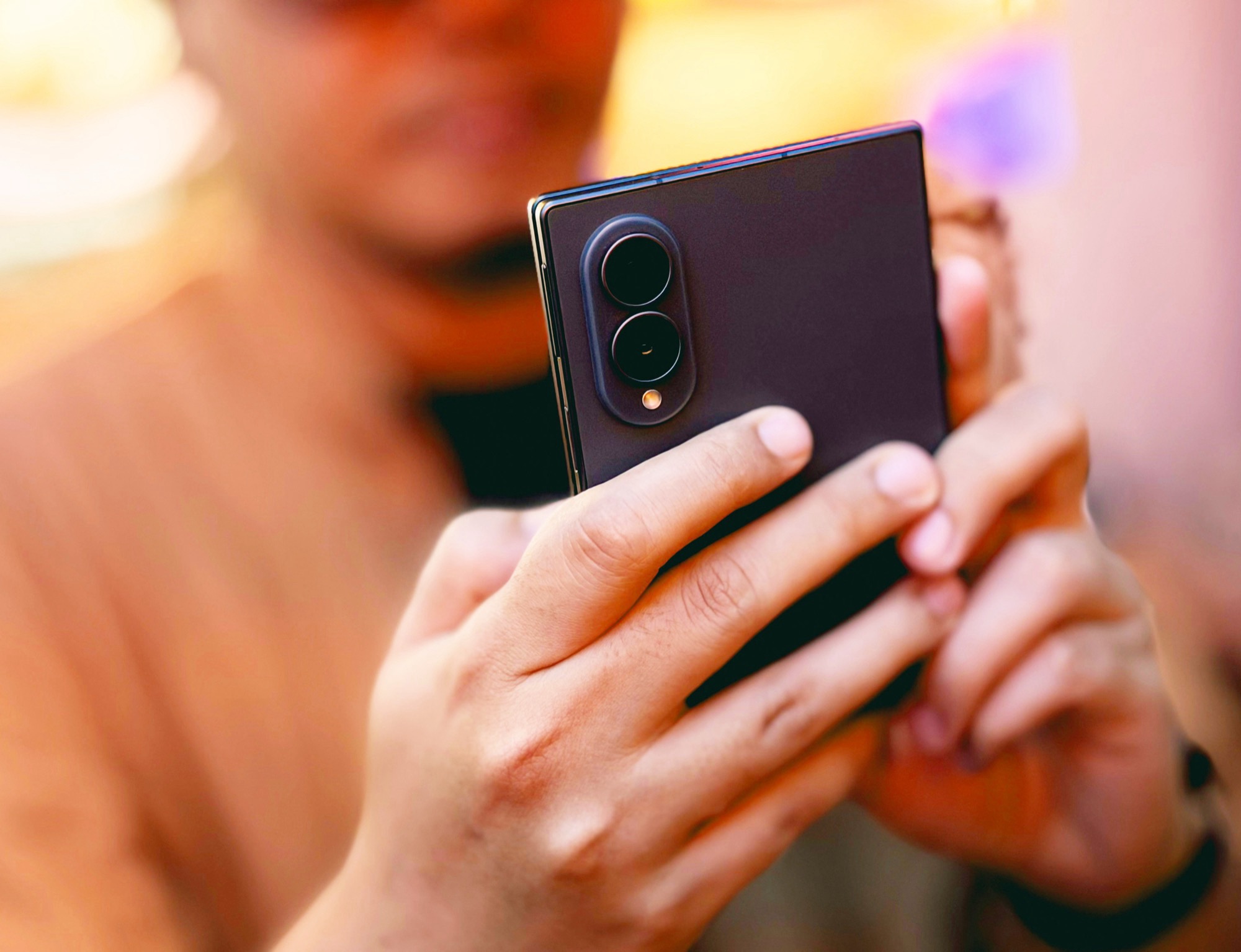
Samsung Galaxy Z Fold8 May Save 12MP Photos in 24MP Mode, and Samsung Says It’s Intentional
Some Samsung Galaxy Z Fold8 and Galaxy Z Fold8 Ultra users have noticed a confusing camera behavior: even when the 24-megapixel photo mode is selected, the phone sometimes saves images at just 12 megapixels. While many assumed this was a camera bug, Samsung has now clarified that the resolution drop is deliberate.
The Galaxy Z Fold8 series supports Samsung’s newer 24MP photo mode, a feature also seen on the Galaxy S26 Ultra. It is designed to deliver sharper, more detailed images than the standard 12MP output while still keeping file sizes more manageable than full-resolution shots. However, users have reported that the phone does not always stick to the selected 24MP setting.
According to Samsung, the Galaxy Z Fold8 and Galaxy Z Fold8 Ultra can automatically switch back to 12MP under specific conditions. One of the biggest reasons is heat. If the phone’s body temperature reaches around 45°C, the device disables 24MP capture and saves photos at 12MP instead.
This is a thermal protection measure. Capturing and processing higher-resolution images requires more computing power, which creates additional heat. On a foldable smartphone with powerful cameras, a large display, and a slim body, temperature management is especially important. By lowering the image resolution, the phone can reduce processor load and help prevent overheating.
The timing of the Galaxy Z Fold8 launch may have made the issue more noticeable. With many regions experiencing extremely hot summer weather, phones are more likely to reach higher body temperatures during outdoor photography, especially in direct sunlight. Taking multiple photos, using the camera for long periods, or shooting while the device is already warm can all increase the chance of the 24MP mode being temporarily disabled.
Heat is not the only reason the Galaxy Z Fold8 may save images at 12MP. Samsung says the phone can also reduce resolution when certain camera features or shooting conditions are used. These include digital zoom, very low-light scenes, LED flash photography, macro mode, and burst shooting. In these situations, the camera system prioritizes image processing, speed, exposure, or stability over the selected 24MP resolution.
The same behavior also applies to the Galaxy S26 Ultra, meaning this is part of Samsung’s broader camera processing strategy rather than a problem limited to the new foldable models.
For most users, this means the Galaxy Z Fold8 camera is working as designed. If you want the best chance of capturing true 24MP photos, avoid shooting when the phone is hot, limit extended camera use in direct sunlight, and skip modes such as flash, macro, burst, or heavy digital zoom. Letting the device cool down for a few minutes may also restore 24MP capture.
While the automatic switch to 12MP may disappoint users who expect full control over camera resolution, Samsung’s explanation makes the trade-off clear: the phone is balancing photo quality, performance, and thermal safety. The Galaxy Z Fold8’s 24MP mode remains available, but only when the device determines that conditions are suitable.