The issue of melting 12-pin power cables continues to plague tech enthusiasts, with the latest incident highlighting the severity of the problem. The connectors, which are integral to powering high-end graphics cards like the RTX 5090, have been reported to melt due to an apparent design flaw. This flaw, unless addressed, seems set to persist, especially considering the significant power demand of these advanced GPUs.
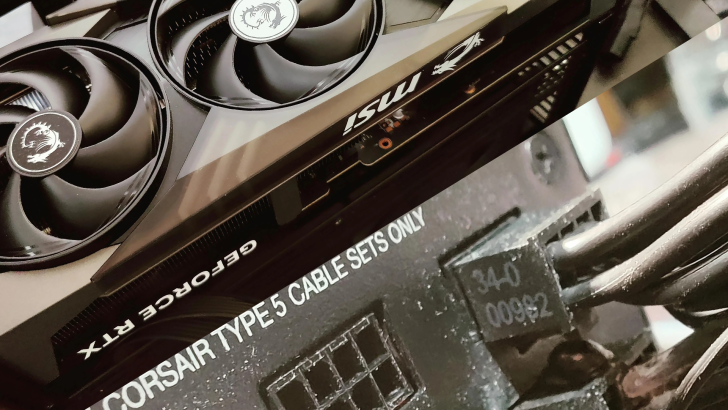
In a recent case shared by a Reddit user, both the 12-pin connectors on the RTX 5090 and the power supply unit (PSU) suffered melting damage. Typically, such issues occur on the PSU side, but this situation saw the damage spreading to both ends, leading to the permanent malfunctioning of the components. The owner, using a premium Corsair SF1000L power supply unit to power an MSI RTX 5090 Gaming TRIO OC, faced this unfortunate scenario despite having disabled overclocking settings. The connector in question was the 12VHPWR model that accompanied the PSU.
Photographs shared by the user reveal substantial damage, with approximately four pins visibly affected by the heat. While other pins showed some impact, their damage was less severe. In particular, one pin exhibited significant deformation from the melting plastic, resulting in a breakdown of the connector’s structural integrity.
This alarming issue appears when the connector isn’t securely attached, causing a few pins to bear the entire electrical load. In such cases, temperatures can soar above 150 degrees Celsius, enough to melt the connectors and wires. This poses a significant risk, especially for those who have invested substantially in their hardware, like the $2900 RTX 5090.
While manufacturers offer replacements for damaged cards and PSUs through warranties, the core issue remains unsolved, posing a risk of recurrence. Although newer 12V-2×6 connectors promise better contact security, they do not fundamentally address the design flaw that predisposes the wires to overpowering and potential damage.
This ongoing dilemma highlights the urgent need for a re-evaluation of current connector designs to prevent future incidents and protect costly gaming investments.