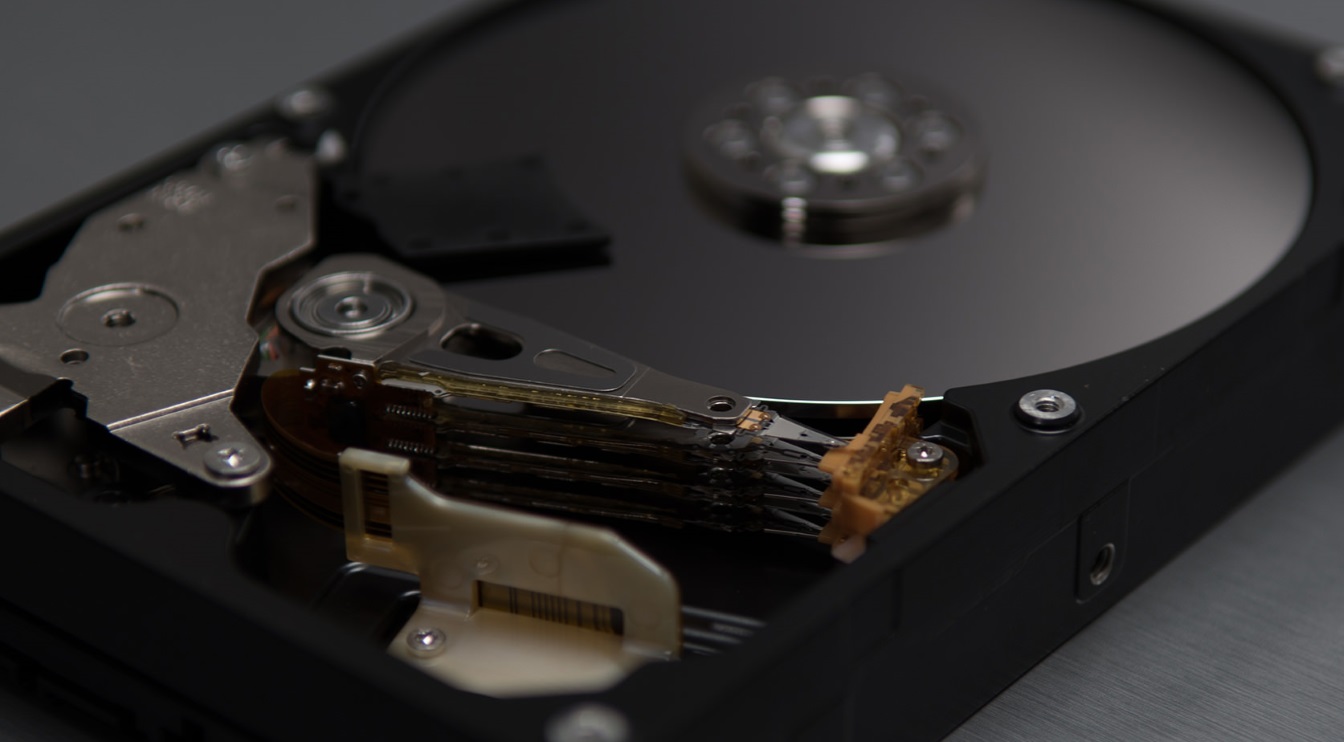
Hard drive prices are climbing fast, and the squeeze on global storage supply chains is getting harder to ignore. A new industry report says contract prices for HDDs jumped around 4% quarter over quarter, marking the biggest increase seen in the past eight quarters. The main reason is simple: demand is accelerating faster than manufacturers can comfortably keep up.
The surge is being fueled by massive data center expansion, particularly in the United States, where cloud service providers are racing to build out infrastructure for AI, cloud platforms, and other data-heavy workloads. AI may grab the headlines for GPUs and cutting-edge chips, but it runs on data—and that data has to live somewhere. At the scale modern AI requires, storage quickly grows into the exabytes, covering everything from scraped web datasets and training archives to processed backups, inference logs, and ongoing operational data.
That’s where HDDs come in. While SSDs are faster, hard drives remain the most cost-effective way to store enormous volumes of information. This is especially true for “nearline” HDDs, the high-capacity drives designed for data center storage environments. Demand for these nearline models remains strong, and their prices are rising right along with the broader market.
What’s making the situation more intense is that manufacturers are already running at or near full utilization, yet supply still trails the rapidly expanding needs of cloud providers. In other words, even with factories operating flat out, the market is tight—and tightening further as AI adoption spreads and data center workloads continue to scale.
Industry signals also suggest the imbalance could worsen over time. HDD makers have hinted that demand is on track to outpace supply more consistently, with the crunch potentially becoming more visible by 2026. If that happens, the impact may not stay limited to enterprise purchasing; it could spill into the retail market as well, affecting availability and pricing for everyday buyers and smaller businesses.
There’s also a powerful economic incentive shaping where drives go first. Supplying hyperscale and AI-focused customers can be more profitable and predictable than serving the general market, which means data center demand may get priority if shortages deepen. This pattern has already played out in other parts of the tech supply chain, and storage could be next.
Hard drives have long been considered the budget-friendly backbone of bulk storage, but the current trajectory suggests that reputation may be tested. With some firms already warning about possible shortages ahead, anyone planning large storage upgrades—especially businesses relying on high-capacity drives—may want to keep a close eye on pricing trends and availability in the months to come.