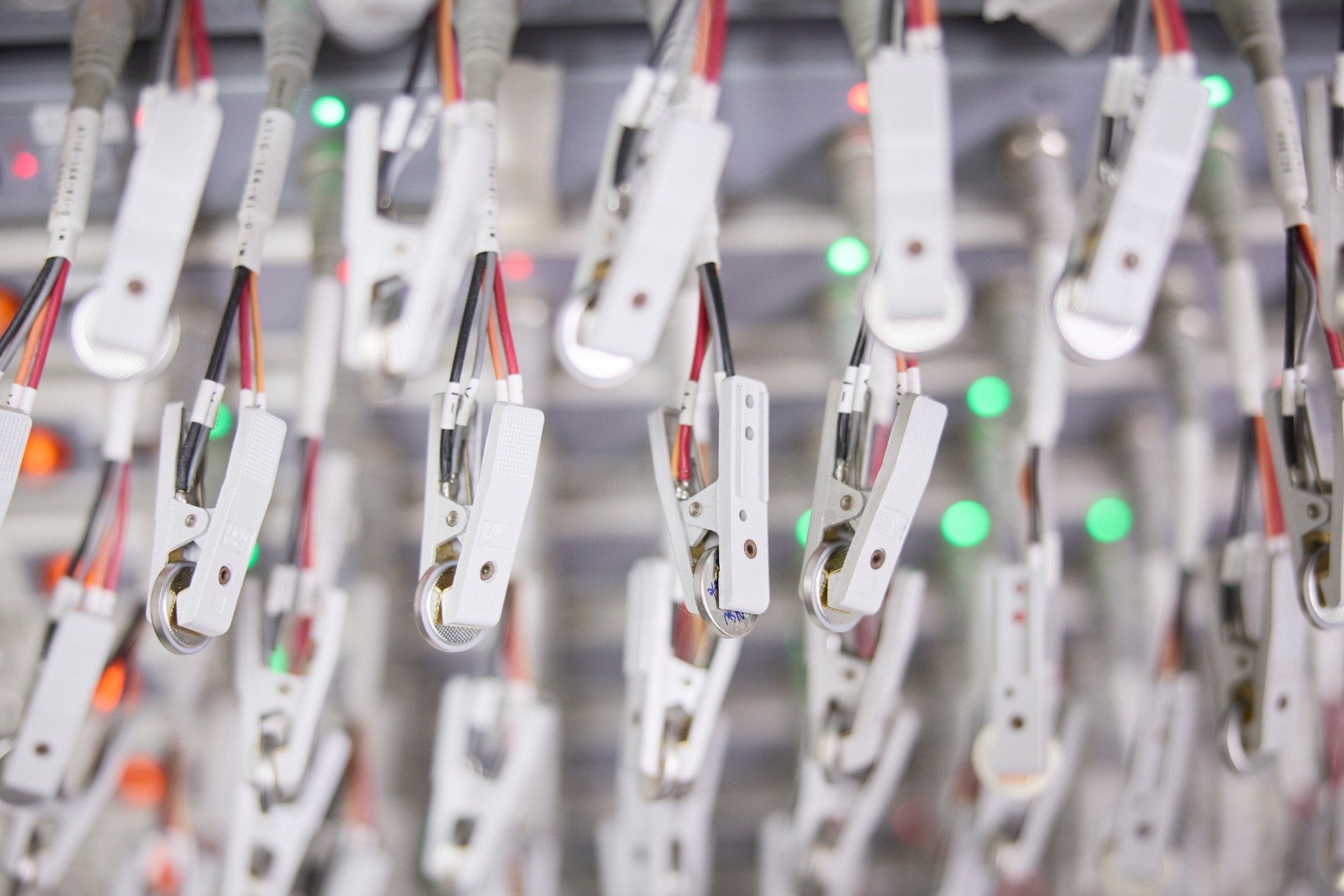
Researchers at the University of New South Wales (UNSW) have made an exciting advancement in battery technology that could revolutionize both energy storage and sustainability. Under the guidance of Professor Neeraj Sharma, a team has developed a lithium-ion battery prototype that substitutes traditional graphite electrodes with compounds obtained from food acids, such as tartaric and malic acid. These acids are commonly found in fruits and winemaking processes, making them a readily available resource.
This innovative approach not only enhances energy storage capability but also provides a more environmentally friendly alternative. By utilizing food waste as a source for these acids, the production process avoids the need for harsh chemicals, opting instead for water-based methods. This shift contributes to a cleaner, more sustainable approach to battery manufacturing.
Lithium-ion batteries have been the go-to solution for energy storage for years. However, their production has relied heavily on mined graphite, which is both expensive and damaging to the environment. By using materials derived from food waste, the UNSW team is offering a sustainable alternative that could make battery production more accessible and eco-friendly. This technological leap forward could significantly ease the global shift to renewable energy sources.
The UNSW research team is currently working on scaling up production and refining the technology for broader applications. This could see its implementation not only in lithium-ion batteries but also in sodium-ion systems, potentially transforming industries that rely heavily on energy storage, such as electric vehicles and large-scale renewable energy projects.
Neeraj Sharma, the lead researcher, brings expertise in solid-state chemistry to the project, focusing on designing new materials and exploring their structural and functional properties. The future looks promising as this research progresses, opening up a landscape of opportunities for more sustainable energy solutions.