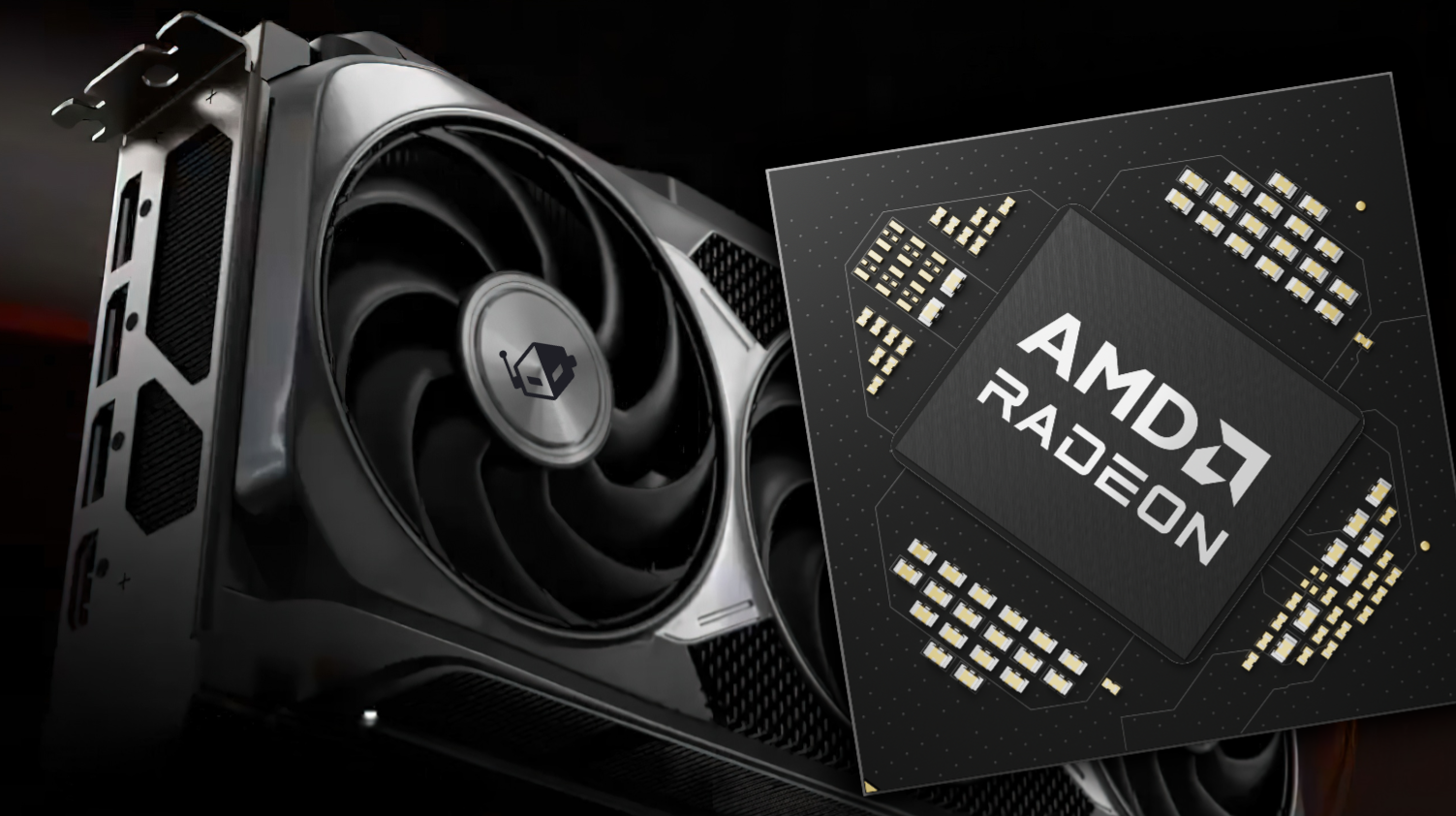
AMD Radeon graphics cards could soon cost noticeably more, and the biggest increases may hit models with more VRAM. New channel details suggest AMD’s board partners are preparing for staged price hikes driven largely by rising memory costs and ongoing supply pressure, fueled in part by booming AI demand.
Why prices are going up in the first place
The core issue being cited is a tightening memory market. As AI-related demand ramps up, DRAM suppliers have reportedly raised pricing across the board. Because modern graphics cards rely heavily on VRAM, higher memory costs quickly ripple into the final price of GPUs. That leaves manufacturers and add-in-board partners stuck paying more for parts, and consumers often end up seeing those increases at retail.
How much more gamers may pay
According to the latest details, the early wave of Radeon price increases is expected to scale with VRAM capacity:
Phase 1 (expected to roll out around late 2025 or early 2026)
8GB Radeon GPUs: up to +$20
16GB Radeon GPUs: up to +$40
But that may only be the beginning. The same report suggests additional hikes could follow later in 2026:
Phase 2 (later in 2026, estimates)
8GB Radeon GPUs: around +300 RMB (roughly $40–$45)
16GB Radeon GPUs: around +600 RMB (roughly $85)
If the second phase lands as described, the value equation for mainstream and entry-level graphics cards could change quickly, especially for models that rely on higher VRAM to stand out in modern games. A jump of $40 to $85 can be the difference between a “great deal” and “wait for a sale,” particularly in the midrange where competition is usually fiercest.
More phased increases across the industry
The report also indicates these pricing changes won’t be isolated. Both AMD and NVIDIA are expected to adjust pricing in phases across 2026, potentially starting as soon as this month or in January 2026. If similar increases spread across competing cards, the overall market could shift toward higher “normal” prices for the same tier of performance—something gamers have been hoping to avoid after years of volatility.
No new launches until 2027?
One of the more surprising claims is that AMD may not introduce new products until 2027, with rising memory costs and shortages being cited as a key reason. The suggestion is that memory pricing pressure could affect not only what graphics cards cost, but also how aggressively companies refresh or expand their lineups.
Who’s really responsible for the increase?
The report’s framing points away from GPU designers and toward DRAM suppliers as the main driver of the situation. If memory makers are charging more and supply remains tight, GPU pricing tends to follow—especially on higher-VRAM models where the memory bill is a bigger part of total cost.
What it means for buyers right now
If you’re planning a GPU upgrade, the takeaway is simple: higher-VRAM Radeon models appear most exposed to price bumps, and phased increases could make waiting more expensive over time. On the other hand, buying in a hurry can also backfire if retailers discount existing stock before new pricing fully takes hold.
If these increases materialize, who do you think deserves the most blame: memory suppliers raising DRAM prices, GPU brands passing the costs on, or the wider AI boom reshaping the entire hardware supply chain?