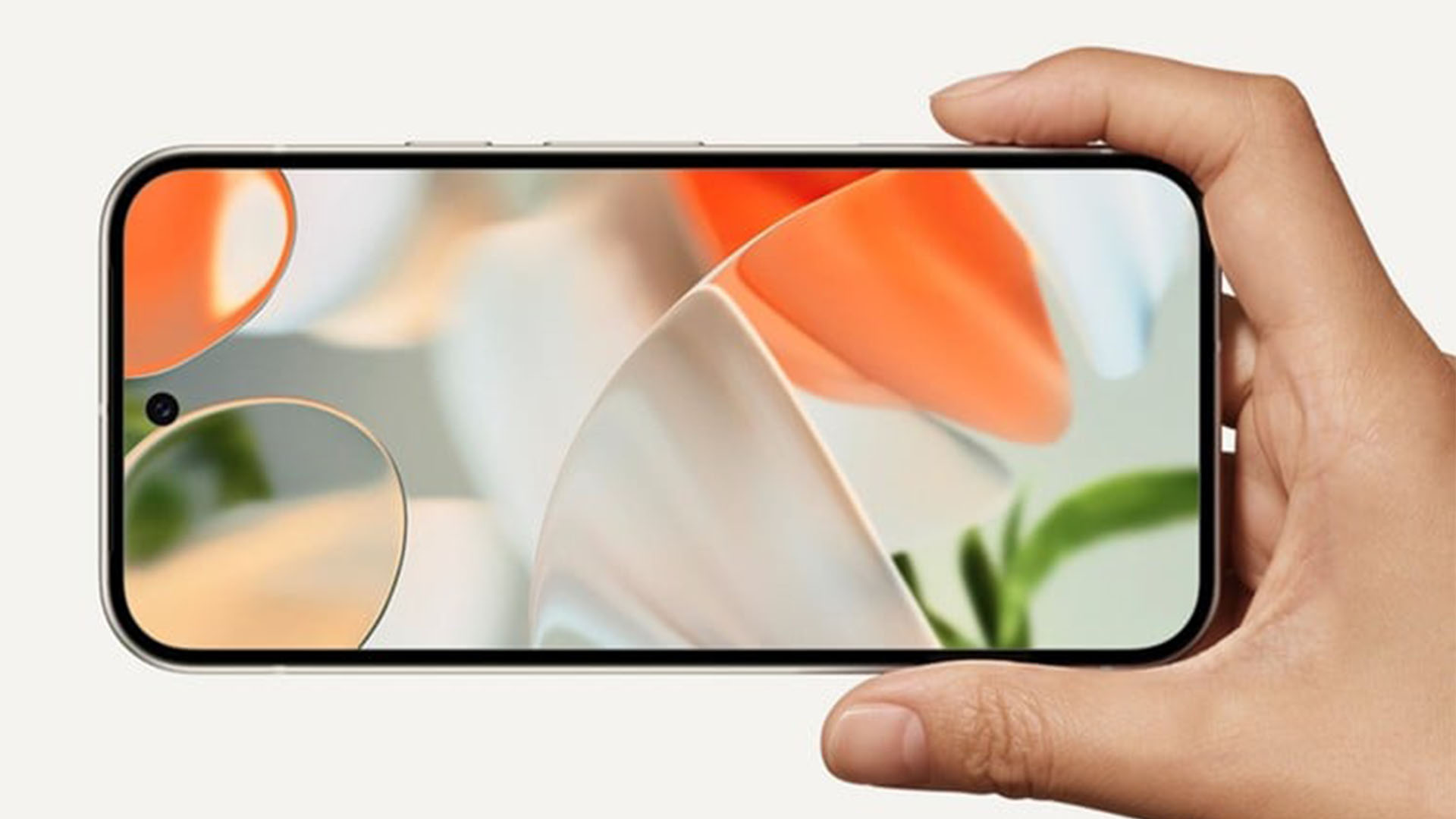
Excessive smartphone use, regardless of screen brightness, can strain your eyes, potentially harming your vision, causing headaches, and disrupting sleep. To address these issues, manufacturers are integrating Pulse-Width Modulation (PWM) panels that operate at higher frequencies. Google is introducing this technology in its Pixel 10 Pro and Pixel 10 Pro XL for the first time, although it may not be as significant an upgrade as it seems.
Extended use of the Pixel 10 Pro or Pixel 10 Pro XL aims to reduce eye strain due to PWM displays. Google’s latest models will support up to 480Hz PWM. It’s crucial to understand that PWM differs from refresh rate or touch response rate; a 480Hz PWM won’t necessarily mean smoother scrolling. Instead, this frequency aims to reduce eye strain, though it’s worth noting that devices like the OnePlus 13 boast a remarkable 2,160Hz PWM, and HONOR’s Magic 7 Pro leads with a 4,320Hz panel.
For flagship models like the Pixel 10 Pro and Pixel 10 Pro XL, why limit to a 480Hz PWM? Each display comes with its driver IC, where premium panels can handle higher PWM frequencies. Factors reducing eye strain while offering a balanced viewing experience include PWM clock adjustments in firmware, cost considerations, and precision in contrast and gamma control.
Higher PWM frequency may limit brightness adjustment options and affect color tones. Companies must weigh trade-offs to offer the best consumer experience, as no single feature suits everyone. While a higher PWM can reduce eye strain, not everyone perceives the 480Hz benefit on these models, and some users might find themselves more sensitive to it.
Though Google’s approach with its new smartphones is a positive step, it’s unfortunate that this upgrade won’t feature in the more affordable Pixel 10 models. While the PWM frequency might differ for non-Pro versions, no confirmation on this is available yet.


