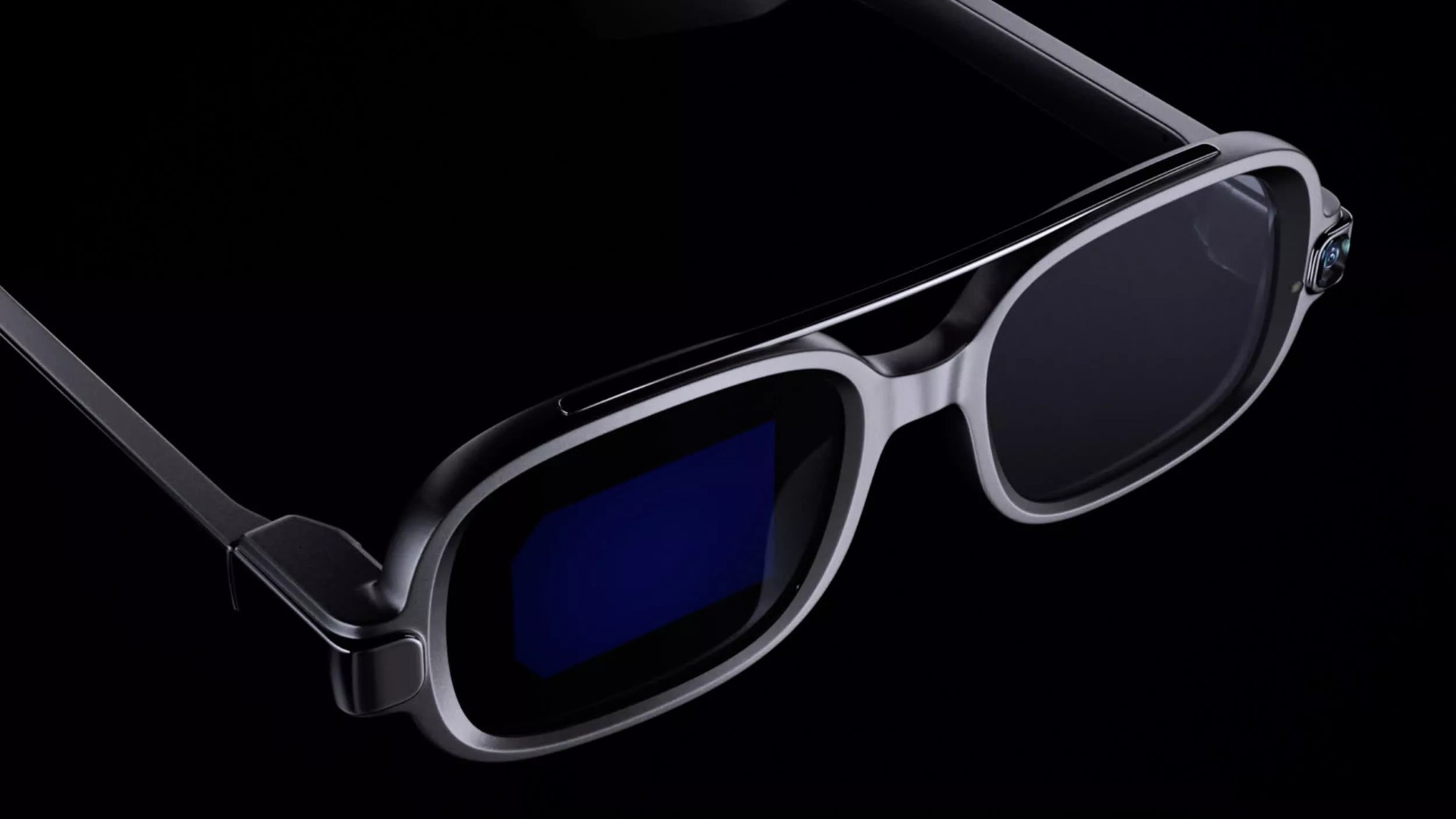
Google’s long-rumored AI glasses may be closer than anyone expected. Despite earlier chatter that the company had shelved the idea, a new update suggests the research and development phase is complete. According to IT Home, Google has finished building a working prototype, with hardware partners already lined up. Quanta is said to have handled the prototype design, while HTC took on contract manufacturing duties, leveraging its experience from producing the VIVE Eagle glasses.
The decision now appears to be purely strategic: launch or hold. And the timing matters. The smart glasses category is heating up fast. Counterpoint Research reports that global smart glasses shipments jumped 110 percent year-over-year in the first half of 2025, with momentum largely driven by the Ray-Ban Meta lineup. AI-enabled models made up 78 percent of all shipments in H1 2025, a sharp rise from 46 percent in H1 2024 and 66 percent in H2 2024. Meta currently leads with a 73 percent market share for the period, setting a high bar—but also signaling a market ready for strong competitors.
If Google gives the go-ahead, its ecosystem could be a difference-maker. An Android-based XR platform would likely feel familiar to anyone already using an Android phone, easing the learning curve and enabling tight integration with services, apps, and on-device assistants. That continuity—muscle memory from smartphone to head-worn device—could translate into a better everyday experience.
From a supply chain perspective, Google appears to have the key pieces in place. Quanta’s prototype work and HTC’s manufacturing capabilities suggest the company wouldn’t be starting from scratch. HTC’s background building its own AI glasses, including models with integrated large language models, further underscores the maturity of the production pipeline.
Why this matters for buyers and the industry:
– The category is shifting from niche to mainstream. Triple-digit growth and a rising share of AI-first designs show strong demand.
– A Google entry could accelerate app ecosystems for AI on wearables, especially if Android XR attracts developers.
– Competition should drive innovation in battery life, voice and camera features, on-device AI, and privacy controls.
The takeaway: Meta holds a powerful lead today, but the window is wide open. With R&D complete and a supply chain ready, Google’s choice is less about capability and more about strategy. If it launches, expect an Android-fluent experience that could quickly reshape the AI glasses landscape.