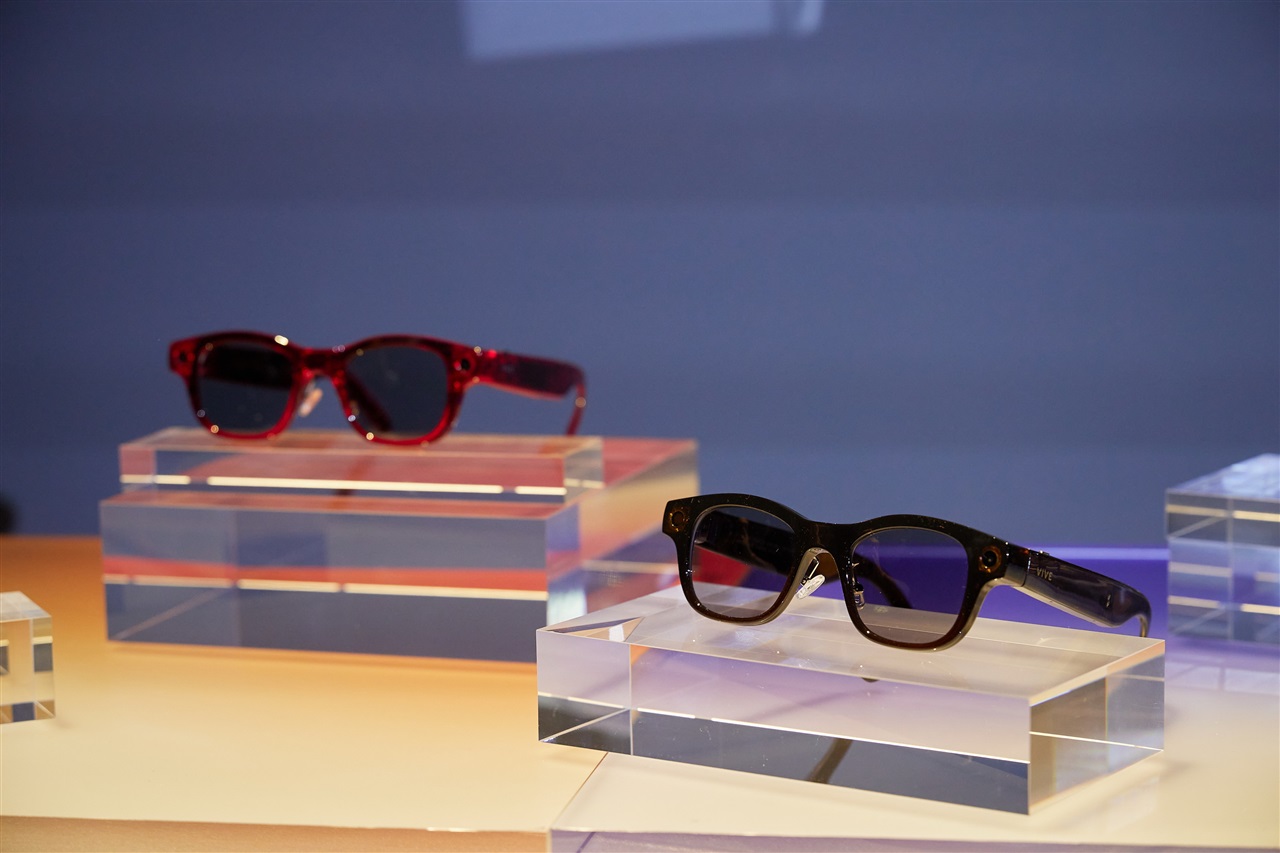
HTC plants its flag in AI eyewear with VIVE Eagle launch in Taiwan
HTC is rolling out its VIVE Eagle in Taiwan, becoming the first and only consumer brand in the market to officially introduce AI-powered glasses. The move gives the company a decisive home-field advantage as the global “hundred-glasses war” of 2025 barrels into a crowded, late-stage showdown.
By launching first in Taiwan, HTC is turning its backyard into a proving ground. It’s a smart play: start where brand recognition is strongest, tap local partners, gather real-world feedback fast, and iterate quickly. Early access to user insights, retail behavior, and carrier integration can shape the product’s software and services before any broader push. In a category where comfort, battery life, responsiveness, and seamless AI assistance will make or break adoption, speed of refinement matters as much as specs.
The timing is just as strategic as the location. The AI glasses race is no longer about who can build a prototype; it’s about who can deliver a polished, everyday experience. First-mover status in a mature, tech-savvy market like Taiwan can help HTC lock in developer interest and create momentum around must-have use cases. Think hands-free assistance, real-time translation, voice-driven navigation, and at-a-glance information without constant screen time. If HTC nails these fundamentals, it can set the tone for what consumers should expect from AI wearables this year.
The launch also signals a shift in how AI hardware reaches consumers. Rather than waiting for a single global rollout, brands are increasingly seeding devices in select markets to validate features, test pricing strategies, and build local ecosystems. For HTC, that ecosystem could include retail demos, telecom bundles, enterprise pilots, and collaborations that showcase why AI glasses are more than a novelty.
What will determine success? A frictionless user experience that feels useful on day one. Reliable voice interaction. Smart, context-aware features that surface the right information at the right time. And a design that people actually want to wear in public. Equally important are privacy and safety considerations, both in how the glasses handle on-device processing and how they signal when sensors are active.
While the global leaderboard in AI eyewear remains fluid, HTC now holds a clear early edge at home. If VIVE Eagle resonates with Taiwanese consumers and developers, it could become the template for broader expansion—and a signal that the next phase of personal AI will be worn, not just carried.
For now, all eyes are on Taiwan. The sooner HTC translates local traction into undeniable everyday utility, the stronger its position will be as the 2025 smart glasses battle reaches its climax.