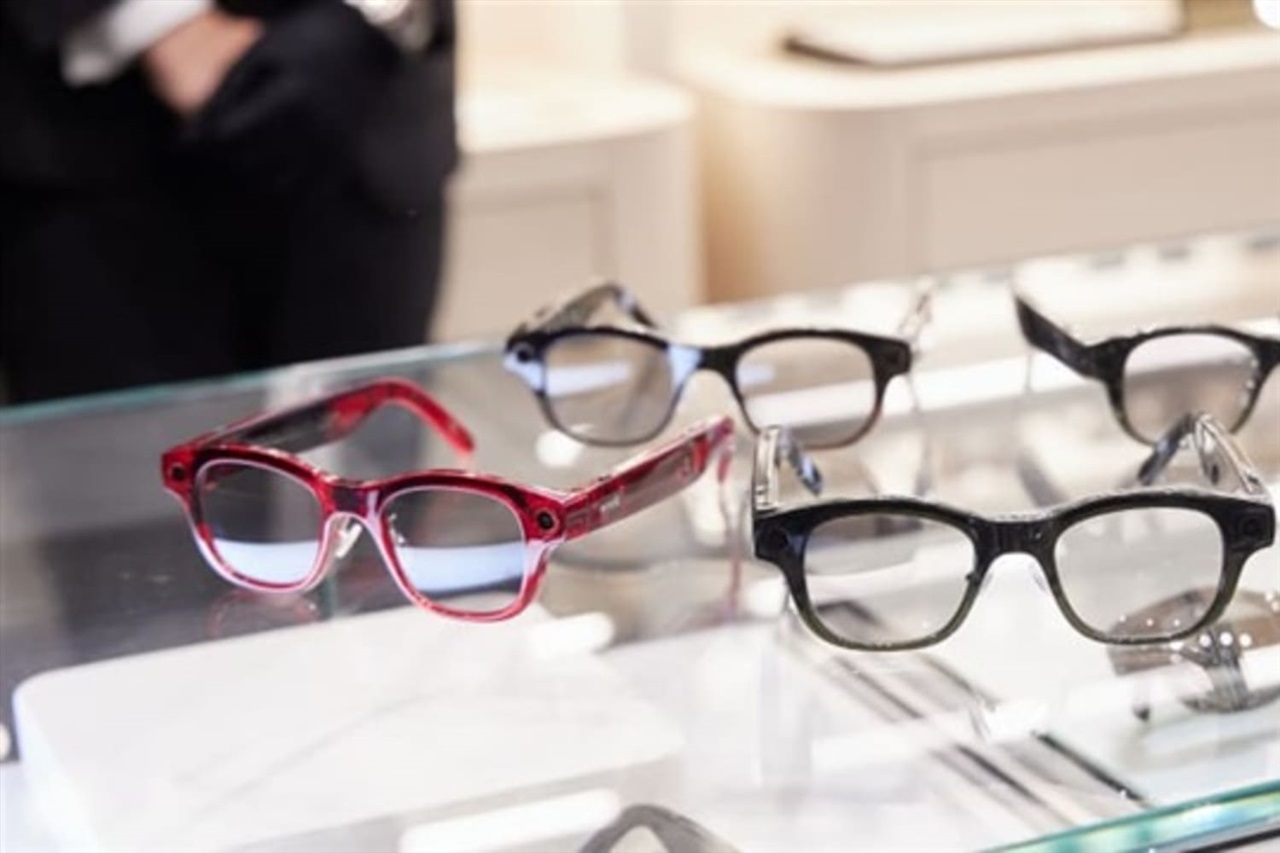
Taiwan-based HTC Corporation is moving quickly to grow its AI glasses ecosystem after unveiling its first AI eyewear, the Vive Eagle. The company is now shifting from a single-product launch into a broader rollout plan designed to put its smart glasses in more hands, strengthen its technology stack, and set the stage for a more advanced AR-focused future.
At the center of HTC’s current momentum is the push to scale distribution. Rather than keeping the Vive Eagle limited to a narrow release, HTC is working to expand availability and reach new customers, with a clear emphasis on building traction in China. That China-focused strategy signals HTC’s intent to compete in one of the most important and fast-moving markets for wearable tech, where consumer interest and ecosystem development can accelerate quickly.
HTC is also leaning heavily into AI partnerships to enhance what its smart glasses can do. By deepening collaborations across AI capabilities, the company aims to evolve the Vive Eagle beyond a first-generation device and into the foundation of a larger platform. That platform approach matters because smart glasses aren’t just about hardware—they’re about how well features like AI assistance, contextual understanding, and on-device or cloud-based intelligence work together in everyday use.
Looking ahead, the bigger story is HTC’s roadmap for an AR-enabled next generation of smart glasses. While the Vive Eagle marks the starting point, HTC is preparing for a future where augmented reality plays a bigger role in the experience—blending digital information with the real world in more immersive and practical ways. This is an important step for the brand, as AR functionality is widely seen as a key differentiator for the next wave of smart eyewear.
With expanded distribution, stronger AI integration, and a clear AR roadmap, HTC is positioning itself to build a competitive and scalable AI glasses ecosystem. For consumers watching the smart glasses space, the takeaway is simple: HTC isn’t treating the Vive Eagle as a one-off product—it’s using it as the launchpad for a longer-term wearable strategy, with China as a major growth focus and AR as the next big leap.