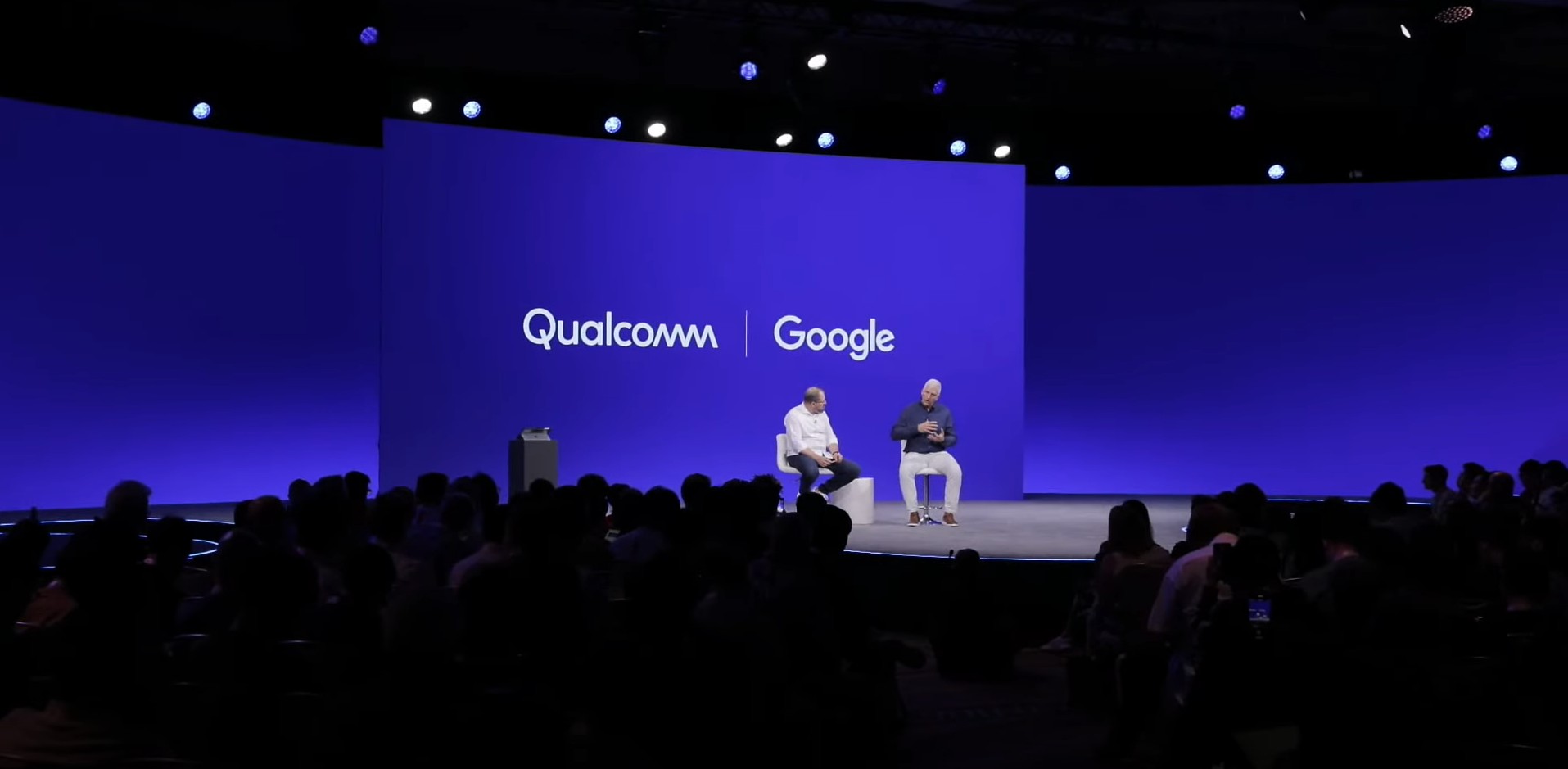
Android on a PC may soon be more than a thought experiment. At the latest Snapdragon Summit, Qualcomm’s Cristiano Amon and Google’s Rick Osterloh hinted at a new class of device that blends the strengths of smartphones and traditional computers, likely powered by Snapdragon chipsets such as the Snapdragon X Elite and Snapdragon X Plus.
The executives described a unified technical foundation that bridges what Google and partners build for phones with what they build for PCs and desktop systems. While they stopped short of revealing a name, specifications, or a launch window, the message was clear: convergence is the goal. Amon said he has seen the project in action and called it “incredible,” adding that it fulfills the long-promised fusion of mobile and PC.
Google’s angle centers on bringing its full AI stack to the desktop, including Gemini models, an advanced assistant, core Google applications, and support for the broader developer ecosystem. The company sees this as a way for Android to serve users across every computing category, not just on phones and tablets.
The idea isn’t coming out of nowhere. Android already scales to larger screens, supports improved window management, and can run in desktop-style modes with external monitor support. Pair that maturity with Qualcomm’s push into the PC market and the pieces are in place for a device that feels familiar to Android users yet powerful enough for everyday computing tasks.
Key takeaways:
– A potential Android-powered PC or hybrid device is in development.
– Qualcomm and Google are building a common foundation across mobile and desktop.
– Snapdragon chipsets are expected to power the hardware.
– Google plans to extend Gemini AI, its assistant, and key apps to the PC domain.
– The effort could accelerate long-speculated convergence between Android and Chrome OS.
There’s no official timeline yet, and details remain under wraps, but the signals from both companies suggest we’re edging closer to an AI-first, Snapdragon-powered computer that blurs the line between phone and PC. For now, all eyes are on how quickly this hybrid vision can move from stage talk to store shelves.