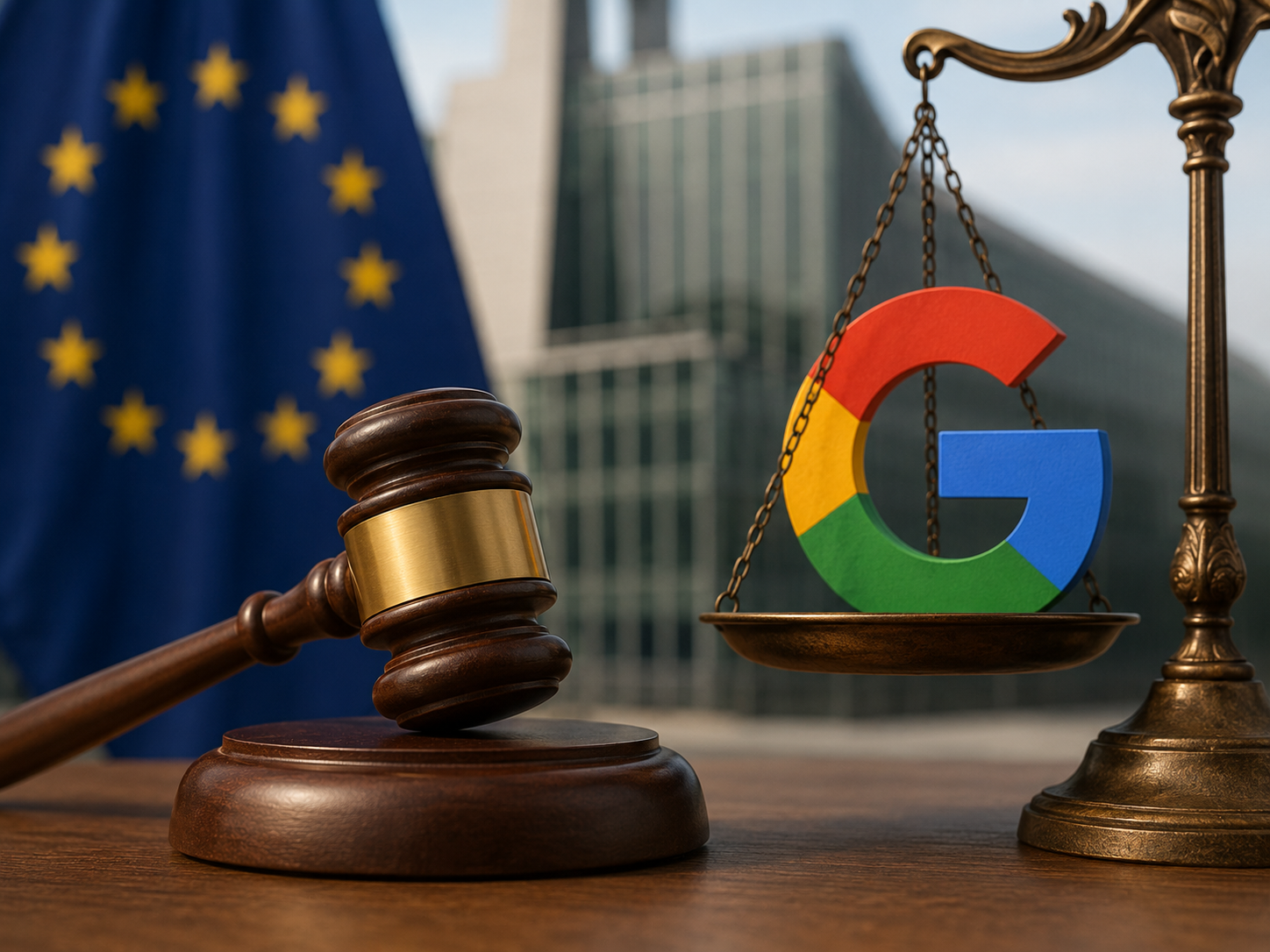
Google has lost its latest attempt to overturn a major European Union antitrust penalty, as the Court of Justice of the European Union upheld a multibillion-euro fine tied to the company’s Android business practices.
The case centers on a €4.34 billion fine first issued by the European Commission in 2018. Regulators accused Google of using Android’s dominant position in the smartphone market to strengthen the reach of Google Search and Google Chrome. According to the Commission, Google required certain phone manufacturers to pre-install Google Search, Chrome, and Google Play on Android devices, limiting opportunities for rival search engines and browsers to compete fairly.
The penalty was later reduced to €4.1 billion in 2022, but Google continued to challenge the ruling. The company brought the case before the EU’s highest court, seeking to have the decision overturned. That appeal has now been dismissed, confirming the finding that Google abused its dominant market position through its Android-related agreements.
The ruling marks another major moment in Europe’s long-running antitrust battle with Google. Over the past 15 years, the European Commission has imposed fines totaling nearly €11 billion against the company across multiple competition cases. One of the most notable earlier cases involved Google Shopping, where regulators said Google unfairly favored its own comparison-shopping service over smaller competitors. That €2.42 billion fine was issued in 2017, and Google’s appeal was rejected in 2021.
In the Android case, EU regulators argued that Google’s contracts with device makers and mobile network operators helped lock in its search and browser services across millions of smartphones. Because Android powers a large share of mobile devices worldwide, the Commission said these practices made it harder for competing apps and services to gain visibility with users.
The court’s decision strengthens the European Union’s position as one of the world’s most aggressive regulators of large technology companies. It also arrives at a time when governments are paying closer attention to how dominant digital platforms operate, especially in areas such as app stores, mobile operating systems, online advertising, search, and consumer choice.
Google has pushed back against the ruling, arguing that Android has helped create more choice in the mobile industry by remaining open, interoperable, and widely available. The company also said it had already changed its agreements in 2018 to comply with the European Commission’s original decision. Google maintains that it remains focused on innovation and openness for users, developers, and business partners.
Even so, the court’s decision is likely to be seen as a significant win for EU competition regulators. It confirms that dominant technology companies can face serious penalties when their business arrangements are found to restrict competition, even if the legal process takes years to conclude.
For smartphone users, the ruling highlights a broader issue: how much control major tech companies have over the apps and services that appear by default on devices. Pre-installed apps can strongly influence user behavior, especially when alternatives are harder to find or less prominently placed. Regulators argue that fair competition depends on giving rival services a genuine chance to reach consumers.
The decision may also influence future antitrust enforcement in Europe and beyond. As digital markets continue to evolve, regulators are expected to keep examining whether major platforms use their market power to favor their own products over competitors.
For Google and parent company Alphabet, the outcome closes another chapter in a lengthy legal battle, but it also keeps pressure on the company as Europe continues to tighten oversight of Big Tech.