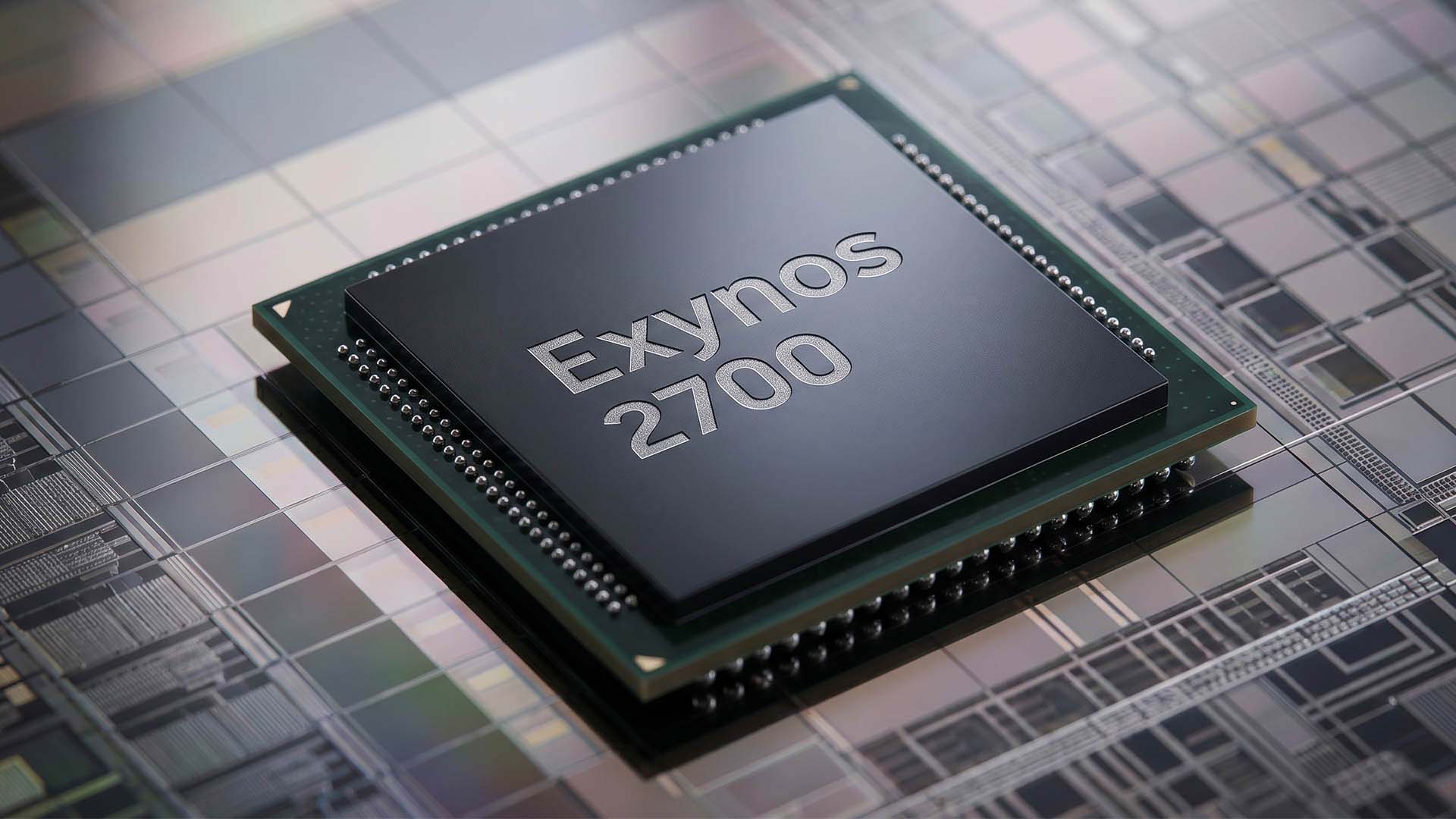
Samsung’s Exynos 2700 could bring a major thermal upgrade for the Galaxy S27 series
Samsung may be preparing a significant cooling and packaging redesign for its future Exynos 2700 chipset, potentially giving the Galaxy S27 lineup stronger sustained performance and better heat control. According to a new rumor, the company is expected to go beyond the thermal improvements planned for the Exynos 2600 by changing how the chip and memory are arranged inside the package.
The key change reportedly involves separating the DRAM module from the main silicon. This could help reduce heat buildup around the system-on-chip and allow the Exynos 2700 to maintain higher performance for longer periods, especially during gaming, video recording, AI processing, and other demanding mobile tasks.
With the Exynos 2600, Samsung is said to have used smaller LPDDR5X memory placed close to the SoC die. The design also reportedly includes a Heat Pass Block, or HPB, positioned above the silicon to improve heat transfer. While this approach should help with cooling, placing memory close to the processor can still contribute to thermal pressure when the chipset is under heavy load.
The Exynos 2700 is rumored to take a different route. Instead of placing the memory module within the same close-packed area, Samsung may keep the DRAM separate from the main silicon. This design is said to resemble a side-by-side packaging approach, similar to the kind of advanced layout expected from Apple’s future A20 Pro chip.
This kind of packaging shift could offer an important advantage. By reducing the concentration of heat around the processor, Samsung may be able to make the Exynos 2700 run cooler and more efficiently. The Heat Pass Block would still sit above the chipset, helping move heat away from the silicon more effectively.
Samsung’s rumored cooling strategy may not stop there. Several Galaxy S27 models, expected in early 2027, are also said to feature vapor chamber cooling. If true, the combination of improved chip packaging, a Heat Pass Block, and vapor chamber hardware could make the Exynos 2700 one of Samsung’s most thermally advanced mobile processors to date.
Thermal performance has become one of the most important factors in modern smartphone chips. Peak benchmark numbers matter, but sustained performance is often more important in real-world use. A powerful chip that overheats quickly can throttle down, reducing frame rates, slowing apps, and affecting battery efficiency. By focusing on heat management early, Samsung may be trying to address one of the biggest challenges faced by flagship mobile processors.
The Exynos 2700 is not the only future chipset rumored to focus on thermal improvements. Apple’s A20 Pro is also expected to use advanced packaging methods to improve heat control. Qualcomm’s Snapdragon 8 Elite Gen 6 Pro has also been rumored to feature a Heat Pass Block, though current claims suggest Samsung’s implementation could be more advanced.
MediaTek’s Dimensity 9600, meanwhile, has not yet been strongly linked to similar thermal add-ons. If that remains the case, it may trail behind Samsung, Apple, and Qualcomm in packaging-based cooling innovation. However, these details are still based on early leaks, and final chip designs can change before launch.
For Samsung, the Exynos 2700 could be an important step forward. The company has been working to improve the reputation of its Exynos chips, especially in areas such as efficiency, heat management, and long-term performance stability. If the rumored packaging redesign proves accurate, the Exynos 2700 may deliver a cooler, more consistent experience in the Galaxy S27 series.
For now, the information should be treated as a rumor rather than confirmed hardware details. Still, the direction is clear: future flagship smartphone chips are no longer competing only on raw speed. Cooling technology, chip packaging, and sustained performance are becoming just as important, and Samsung appears to be preparing the Exynos 2700 with that future in mind.