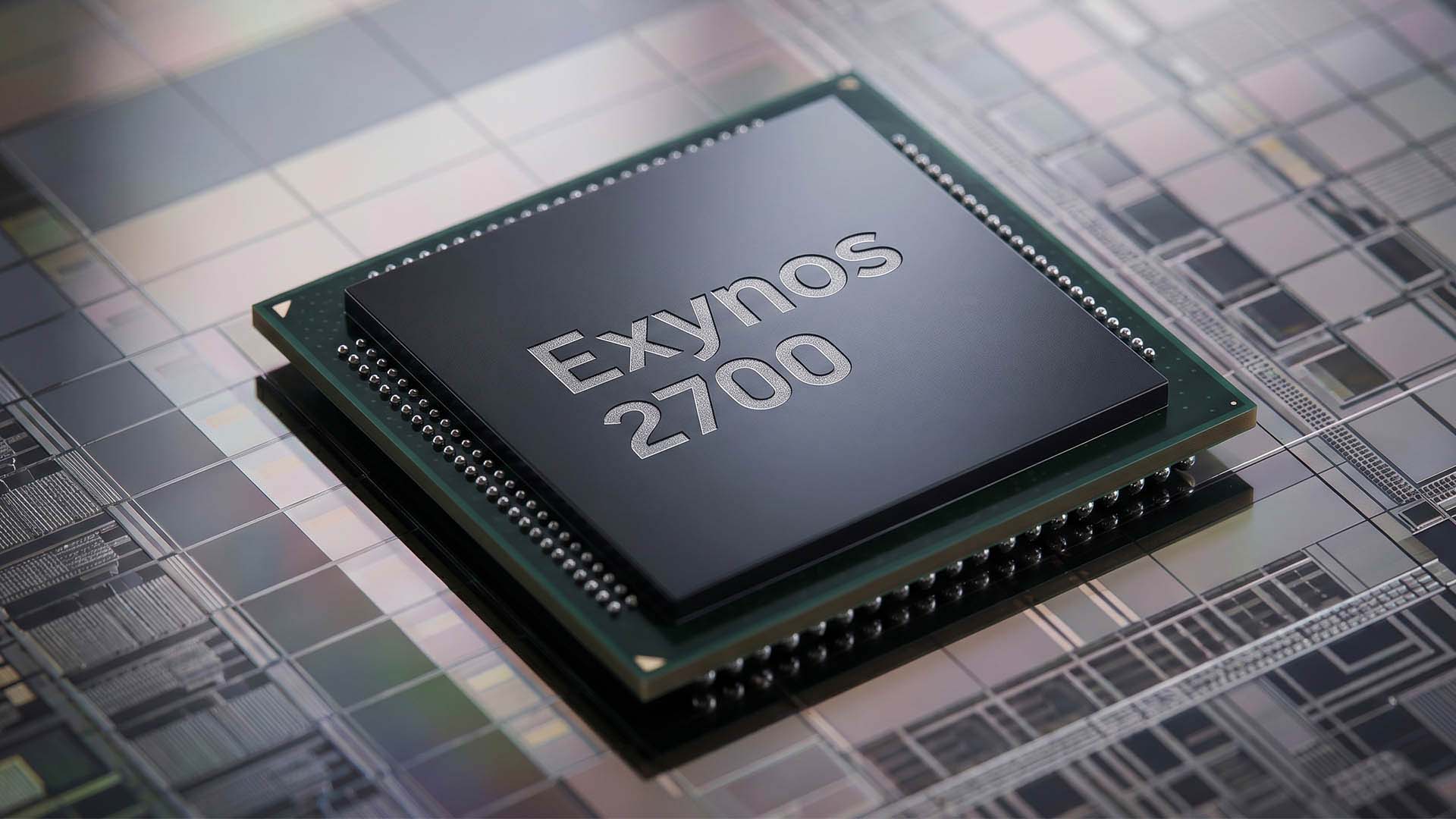
Samsung Galaxy S27 Rumor: Exynos 2700 Could Lose Key Packaging Tech as Cost Pressures Rise
Samsung’s Galaxy S27 series is still far from launch, but early rumors are already pointing to a challenging development cycle for the company’s 2027 flagship phones. According to industry chatter, Samsung may be forced to make several cost-focused decisions as rising memory prices continue to pressure the smartphone and semiconductor markets.
One of the biggest rumored changes involves the Exynos 2700, the next-generation Samsung chip expected to power some Galaxy S27 models in select regions. While the processor is believed to be built on Samsung’s advanced second-generation 2nm GAA manufacturing process, it may still miss out on an important feature that could affect performance and thermal efficiency.
The feature in question is FOWLP, or Fan-Out Wafer-Level Packaging. Samsung previously used this packaging technology with the Exynos 2400, and it plays an important role in making chips thinner, more compact, and more efficient. In simple terms, FOWLP allows electrical connections to extend beyond the chip die, creating more room for input and output pins while helping improve heat management.
That matters because smartphone processors are constantly pushed harder by gaming, AI features, camera processing, multitasking, and high-refresh-rate displays. Better chip packaging can help maintain stronger performance for longer periods by reducing heat buildup. Without it, a processor may be more likely to throttle under heavy workloads, meaning performance could drop when temperatures rise.
For Samsung, that could be a sensitive issue. The company’s Exynos chips have often faced criticism over heat and sustained performance compared with rival mobile processors. If the Exynos 2700 does not include FOWLP, Samsung may need to rely on other design improvements to make sure the chip remains competitive inside the Galaxy S27 lineup.
The reason behind the possible change appears to be cost. The wider tech industry is dealing with expensive memory components, and DRAM pricing has reportedly become a major concern for manufacturers. As RAM becomes more expensive, smartphone brands may have to cut costs in other areas to keep final device prices from climbing too high.
That pressure may not be limited to the processor. Previous rumors have suggested that the standard Galaxy S27 model could use OLED panels from BOE as Samsung looks for ways to reduce production expenses. If true, it would show how carefully the company is trying to balance premium hardware with pricing that remains attractive to buyers.
Even if FOWLP is removed from the Exynos 2700, Samsung may have another way to control thermals. Reports suggest the company could use a side-by-side architecture, often referred to as SBS. This design places the processor and DRAM next to each other on the same substrate, allowing a cooling solution to cover both components more effectively.
That kind of layout could help because memory chips can also generate significant heat, especially during demanding tasks such as gaming, video recording, and AI processing. By improving heat dissipation across both the processor and memory, Samsung may be able to delay thermal throttling and keep performance steadier during extended use.
Still, removing FOWLP would likely be a compromise. Advanced packaging is not just about size; it can directly influence efficiency, heat resistance, and sustained speed. For a flagship phone series like the Galaxy S27, even small performance differences can matter, especially when buyers expect major improvements with every generation.
The Exynos 2700 could also play a larger role in Samsung’s broader semiconductor strategy. The company has been working to strengthen its non-memory chip business, and a successful flagship mobile processor would be an important step. If the Exynos 2700 performs well and sees strong adoption in the Galaxy S27 series, it could help Samsung regain momentum in the premium mobile chipset market.
However, if cost-cutting decisions noticeably affect real-world performance, the chip could face another round of criticism. That would make the Galaxy S27 launch especially important, not only for Samsung’s smartphone division but also for its chipmaking ambitions.
At this stage, nothing appears to be final. The Galaxy S27 lineup is expected in early 2027, giving Samsung time to adjust its plans before mass production begins. The company will likely continue evaluating cost, performance, heat control, and supply chain conditions before locking in the final hardware design.
For consumers, the key question will be whether Samsung can keep Galaxy S27 pricing under control without weakening the premium experience. If the company can combine its 2nm GAA process with smart cooling and efficient architecture, the Exynos 2700 may still deliver a strong upgrade, even without its most advanced packaging option.
In the end, this rumored decision highlights the difficult reality facing smartphone makers: cutting-edge technology is getting more expensive, and brands must decide where to spend and where to save. Samsung’s challenge with the Galaxy S27 will be finding the right balance between performance, efficiency, and price.


