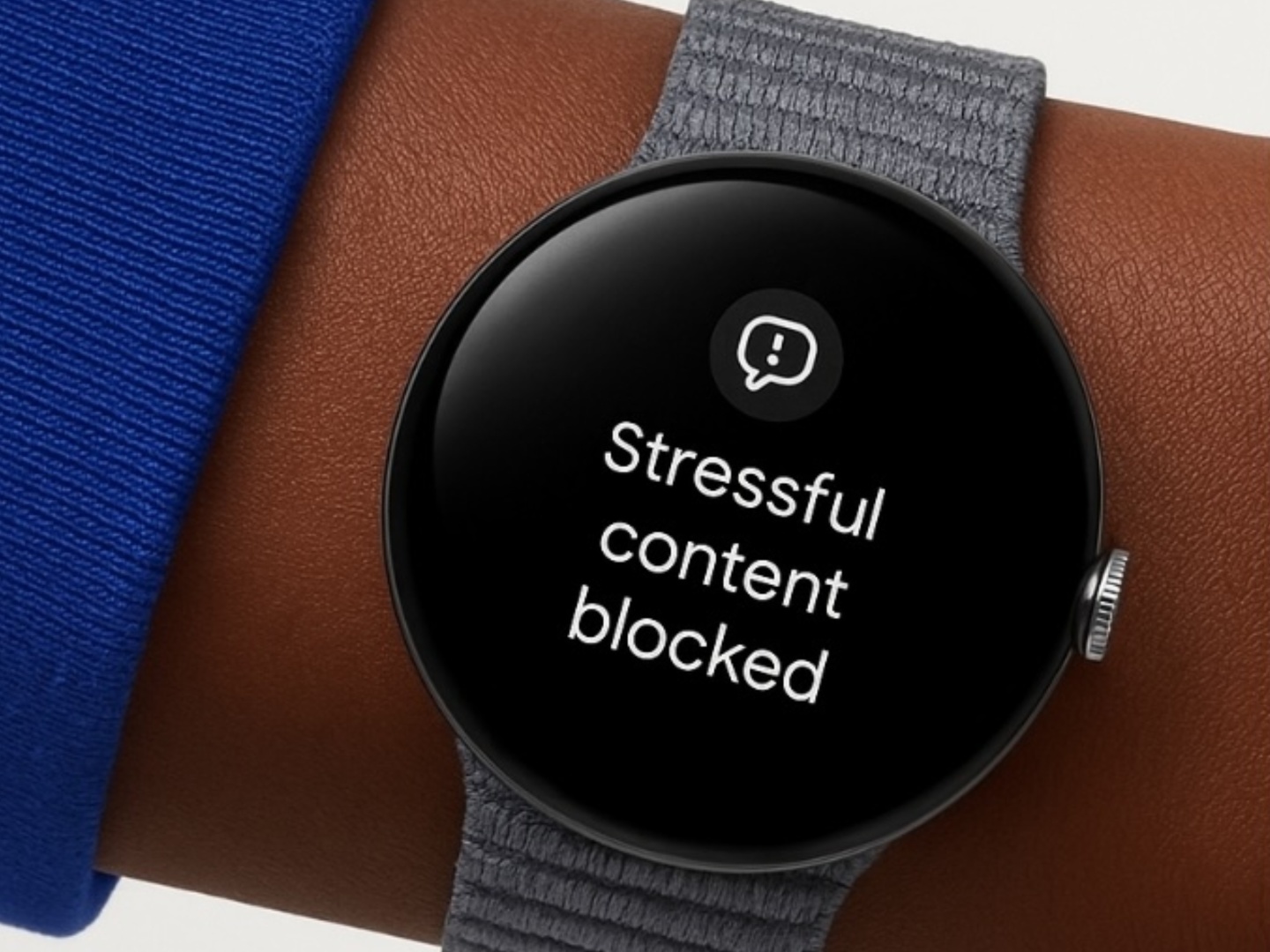
Doomscrolling doesn’t just eat up time—it can spike your stress levels. While today’s phones and wearables track screen time, sleep, and heart rate, they don’t tell you which posts or videos are pushing your buttons. Google appears to be working on exactly that. A recent patent describes an AI-powered system that identifies stressful content by combining what you’re viewing with real-time health markers from your devices.
According to the filing, the system uses AI to analyze on-screen text, videos, and even audio cues, labeling content by sentiment—positive, negative, aggressive—and by theme, such as politics, finance, sports, or entertainment. At the same time, it pulls biometric signals from wearables and devices, like heart rate trends and skin response, to find correlations between what you consume and how your body reacts. Over time, it learns your personal stress triggers and adapts, predicting when something you’re about to watch or read might elevate your stress.
Privacy is a core promise in the patent. Processing and data storage are described as happening on-device, not in the cloud. Users would also have control over which apps are monitored, and the system could request confirmation when it suspects you’re feeling stressed to refine its model. When stress-linked content is detected, you could get a gentle alert with options to mute or block similar topics, take a break, or adjust your preferences.
The potential applications go beyond simple screen-time limits. Imagine Android’s Digital Wellbeing or a future Pixel feature that can:
– Flag stressful topics before bedtime to protect your sleep
– Nudge you toward calming alternatives after a tense news feed
– Help tailor recommendations across apps to reduce trigger-heavy content
– Offer quick coping tools, like guided breathing, when spikes are detected
Of course, this is a patent, not a product. There’s no confirmation of if or when it will ship, and plenty of challenges remain—avoiding false positives, respecting cultural and personal differences in what’s stressful, and ensuring robust opt-in consent and transparency. Still, pairing on-device AI with wearable health data could mark a meaningful shift in digital wellbeing, moving from counting minutes to understanding impact.
If Google brings this to market, your phone might not just track how long you’re online—it could help you feel better about what you see while you’re there.