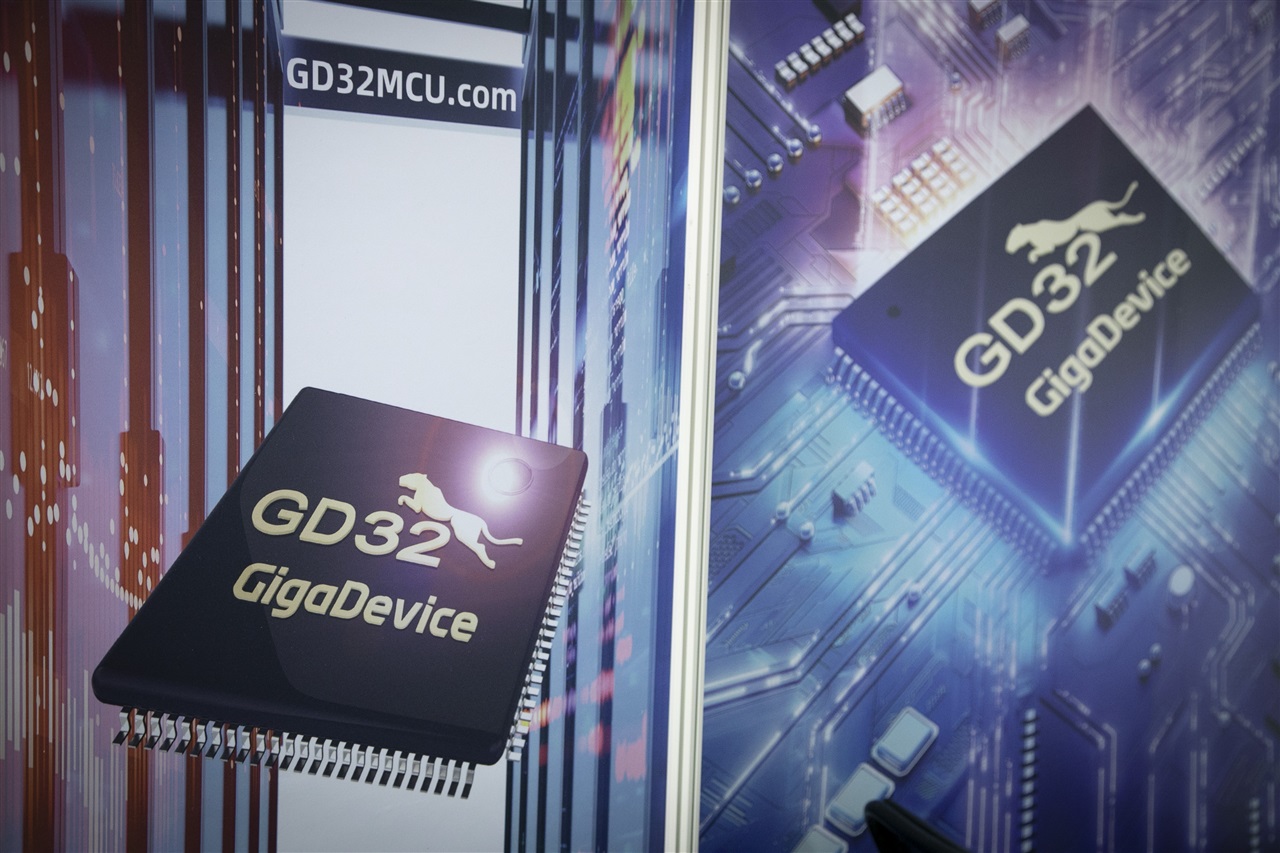
GigaDevice is stepping up its push into the memory chip market with another major investment in its DRAM business. The Chinese semiconductor company is injecting CNY500 million, or about US$73.9 million, into its wholly owned subsidiary to accelerate DRAM research, development, and industrialization.
The latest capital boost highlights GigaDevice’s long-term strategy to expand beyond its established chip design operations and strengthen its position in the increasingly important memory sector. DRAM, or dynamic random-access memory, is a core component used in smartphones, computers, servers, artificial intelligence systems, automotive electronics, and a wide range of connected devices.
By increasing funding for its DRAM subsidiary, GigaDevice aims to support technology development, production readiness, and future commercialization. The move comes as demand for memory chips continues to rise, driven by data centers, AI computing, high-performance electronics, and growing digital infrastructure worldwide.
This investment is also part of a broader effort by Chinese semiconductor firms to improve domestic chip capabilities and reduce reliance on overseas suppliers. Memory chips remain one of the most competitive areas of the global semiconductor industry, with major players investing heavily in advanced manufacturing, higher performance, and improved energy efficiency.
For GigaDevice, the additional CNY500 million commitment signals confidence in the long-term potential of its DRAM project. Continued investment may help the company build stronger technical foundations, expand product development, and prepare for larger-scale market opportunities as memory demand evolves.
The global memory market is known for sharp cycles, with prices and demand often shifting based on supply conditions and consumer electronics trends. However, the rise of AI servers, cloud computing, smart vehicles, industrial automation, and edge devices is creating new growth areas for DRAM suppliers.
GigaDevice’s latest funding round suggests the company is positioning itself to benefit from these trends. While the DRAM industry requires significant capital, advanced engineering, and long development timelines, successful progress could give the company a stronger role in China’s semiconductor supply chain.
As competition in memory technology intensifies, GigaDevice’s continued investment will be closely watched by industry observers. Its DRAM ambitions could become an important part of the company’s future growth strategy, especially as demand for faster, more efficient, and more reliable memory solutions continues to expand.