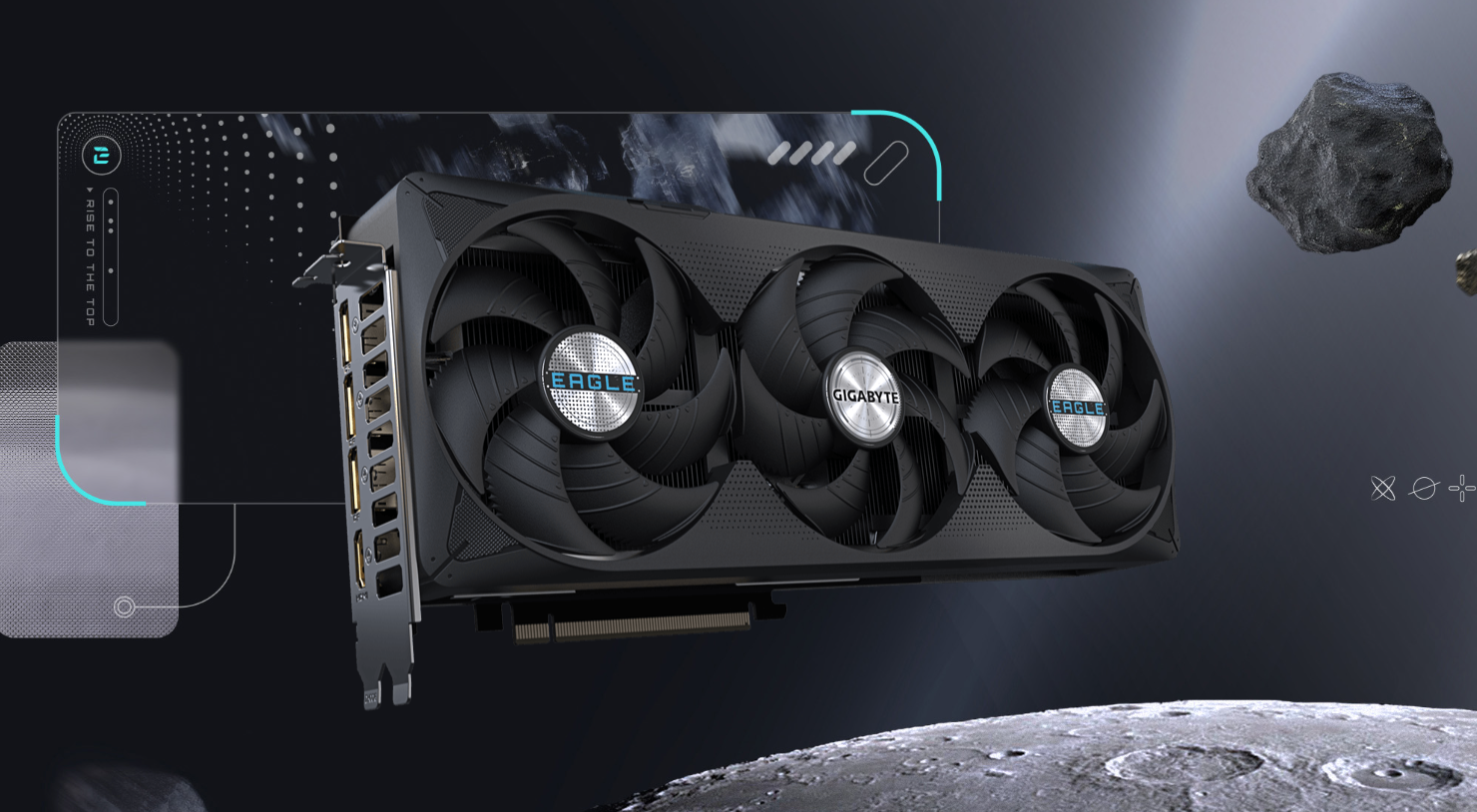
GIGABYTE GPU prices reportedly rise by 20% to 40%, forcing some order cancellations
PC builders may be facing another tough pricing shock as graphics card costs appear to be climbing sharply once again. A Japanese retailer has notified customers that GIGABYTE graphics cards are getting a major price increase, with some models reportedly rising by 20% to 40%.
The notice, dated July 28, states that the new pricing took effect on August 1. According to the retailer, the adjustment affects GIGABYTE GPU products and is significant enough that some previously placed orders may not be fulfilled at the original price. Orders made on or after August 1 are expected to follow the updated pricing, while certain earlier orders could also be cancelled depending on stock availability and retailer conditions.
This development adds more pressure to an already difficult GPU market. Graphics card prices have been moving upward in several regions, and the latest increase appears to be tied to rising memory costs, especially DRAM. As memory prices climb, manufacturers and board partners are adjusting product pricing, and those increases are now being passed down through retailers to consumers.
The timing is especially frustrating for gamers, content creators, and PC enthusiasts who were waiting for GPU prices to stabilize before upgrading. Earlier in the year, graphics cards were already selling above their expected price levels in many markets. With another 20% to 40% jump now being reported, the cost of building or upgrading a gaming PC could become even harder to justify.
Recent market trends suggest that both NVIDIA GeForce and AMD Radeon graphics cards have been affected by price changes across different regions. The GeForce RTX 50 series has already seen notable pricing movement in China, while AMD’s Radeon RX 9000 series has also been linked to pricing adjustments. These shifts suggest that the GPU market is not only dealing with demand and supply challenges but also with higher component costs throughout the manufacturing chain.
For consumers, the biggest concern is that newer inventory may arrive at much higher prices than existing stock. Once older inventory sells out, buyers may have little choice but to pay the revised rates. This could create a short window where remaining older stock becomes highly desirable, especially for those planning a new gaming PC build.
Retailers are also being placed in a difficult position. When manufacturers raise prices before existing orders are fully supplied, shops may have to decide whether to absorb the cost difference, raise prices for customers, or cancel affected orders. In this case, the retailer has warned that some orders may not be honored under the original pricing, which could frustrate buyers who placed orders before the new price increase took effect.
The impact could extend beyond high-end gaming systems. Mid-range and entry-level PC builders are often the most sensitive to price increases, and a major GPU price hike could push many people to delay upgrades. Combined with higher DDR5 memory prices, building a new PC may become noticeably more expensive in the coming months.
If these increases spread across more brands and regions, the PC hardware market could enter another period of inflated pricing. While the extreme shortages of past years are not the same as today’s situation, rising component costs are creating a similar problem for buyers: the longer they wait, the more expensive a build may become.
For now, anyone planning to buy a graphics card should keep a close eye on local pricing, compare available stock carefully, and act quickly if they find a GPU still listed at an older price. With reported increases reaching as high as 40%, the next wave of graphics cards may be far more expensive than many PC gamers expected.