Gigabyte RTX 4090 Owner Says Warranty Claim Was Rejected Over “User-Induced Damage”
Getting a graphics card repaired or replaced under warranty can sometimes turn into a frustrating experience, especially when an RMA request is denied for reasons the customer believes are unclear. A recent case involving a Gigabyte GeForce RTX 4090 has drawn attention from the PC hardware community after the owner claimed the company rejected the warranty request without providing clear evidence of the alleged damage.
According to a Reddit user, their Gigabyte RTX 4090 was still covered under warranty until 2027. The graphics card had reportedly been working normally before the user transported their PC. After the move, the GPU stopped functioning, prompting the owner to submit an RMA request to Gigabyte.
Gigabyte later returned the card and allegedly denied the repair or replacement request, citing “user-induced damage.” The explanation reportedly included notes such as “damaged by user, can’t repair” and “PCB broken.” Physical damage to a graphics card’s PCB can void warranty coverage, and manufacturers commonly reject RMAs when there is visible damage, cracks, burns, missing components, or signs of mishandling.
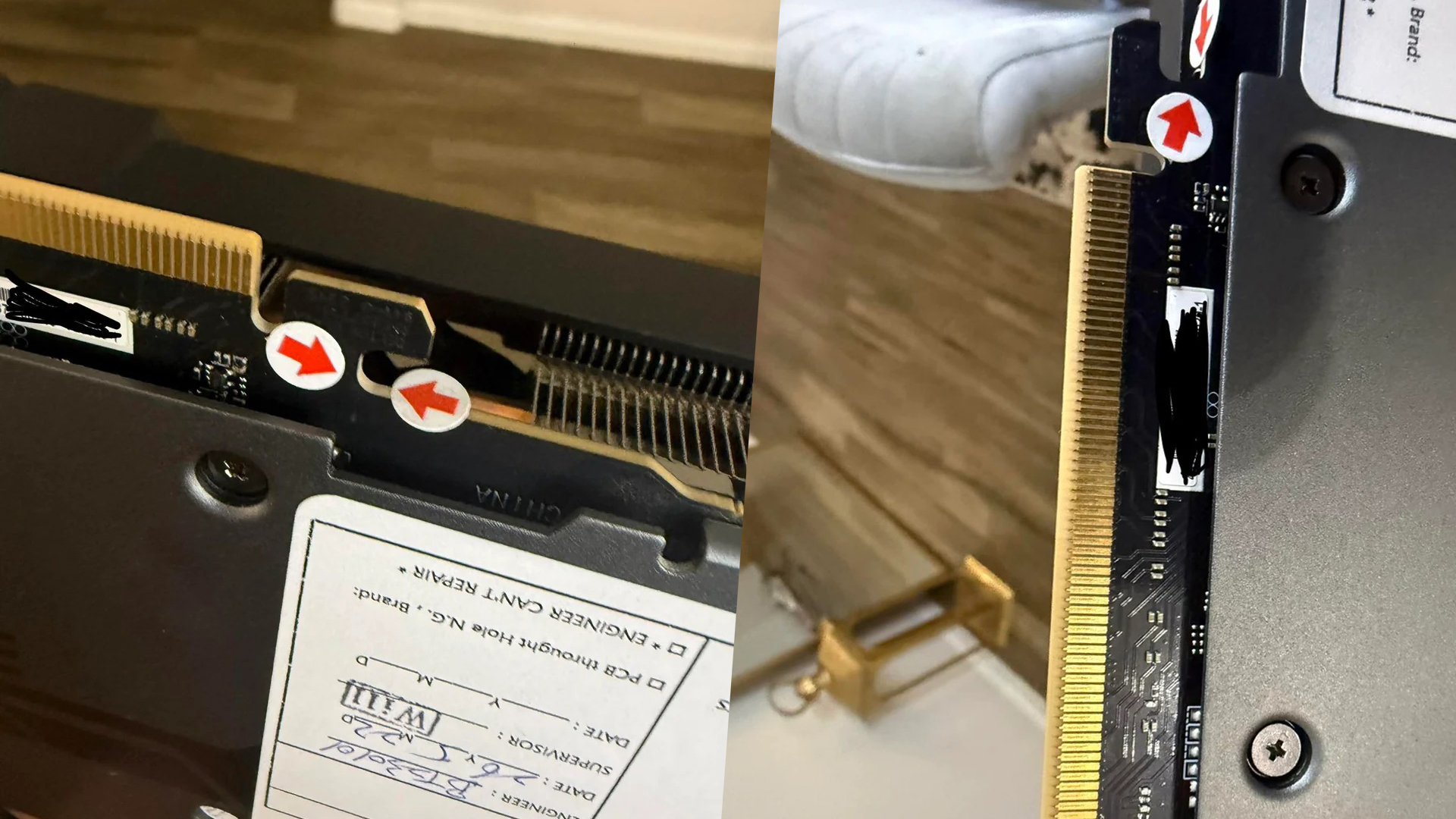
However, the user claims Gigabyte did not provide any photos showing the broken PCB or a detailed explanation of where the damage was located. When the RTX 4090 was returned, the owner said it had two red arrow stickers placed near the gold finger connector area, seemingly indicating the suspected damage point.
The issue is that, based on the images shared by the user, there does not appear to be an obvious crack, scratch, or visible break in the PCB. That has led to debate among PC enthusiasts, with many questioning whether the damage might be internal or too subtle to see in standard photos. If the PCB’s inner layers were damaged, it could explain the failure, but users argue that the manufacturer should provide clearer documentation when rejecting a high-value warranty claim.
This situation highlights a growing concern among PC builders: warranty claims for expensive hardware can be difficult to navigate, especially when the reason for rejection is not fully documented. Modern graphics cards, particularly flagship models like the RTX 4090, are large, heavy, and costly. Transporting a system with the GPU installed can put stress on the PCIe slot and PCB if the card is not properly supported, but proving exactly when and how damage occurred can be complicated.
For customers, the case serves as a reminder to take precautions before moving a desktop PC. Removing the graphics card during transport, using anti-static packaging, and documenting the card’s condition with photos can help protect against disputes if an RMA is needed later.
The owner of the RTX 4090 has reportedly decided to seek help from independent repair experts after Gigabyte declined the warranty claim. Whether the card has hidden PCB damage or whether the RMA was rejected too quickly remains unclear, but the case has once again sparked discussion about transparency in hardware warranty decisions.
For PC gamers and builders, the situation is especially concerning because the GeForce RTX 4090 remains one of the most expensive consumer graphics cards on the market. When a product of this value fails under warranty, customers expect a clear diagnosis, detailed evidence, and a fair repair process. More transparency from manufacturers could go a long way toward building trust with the enthusiast community.