G.SKILL RAM Warranty Claim Rejected Over Tiny PCB Damage, Highlighting Strict RMA Rules for PC Components
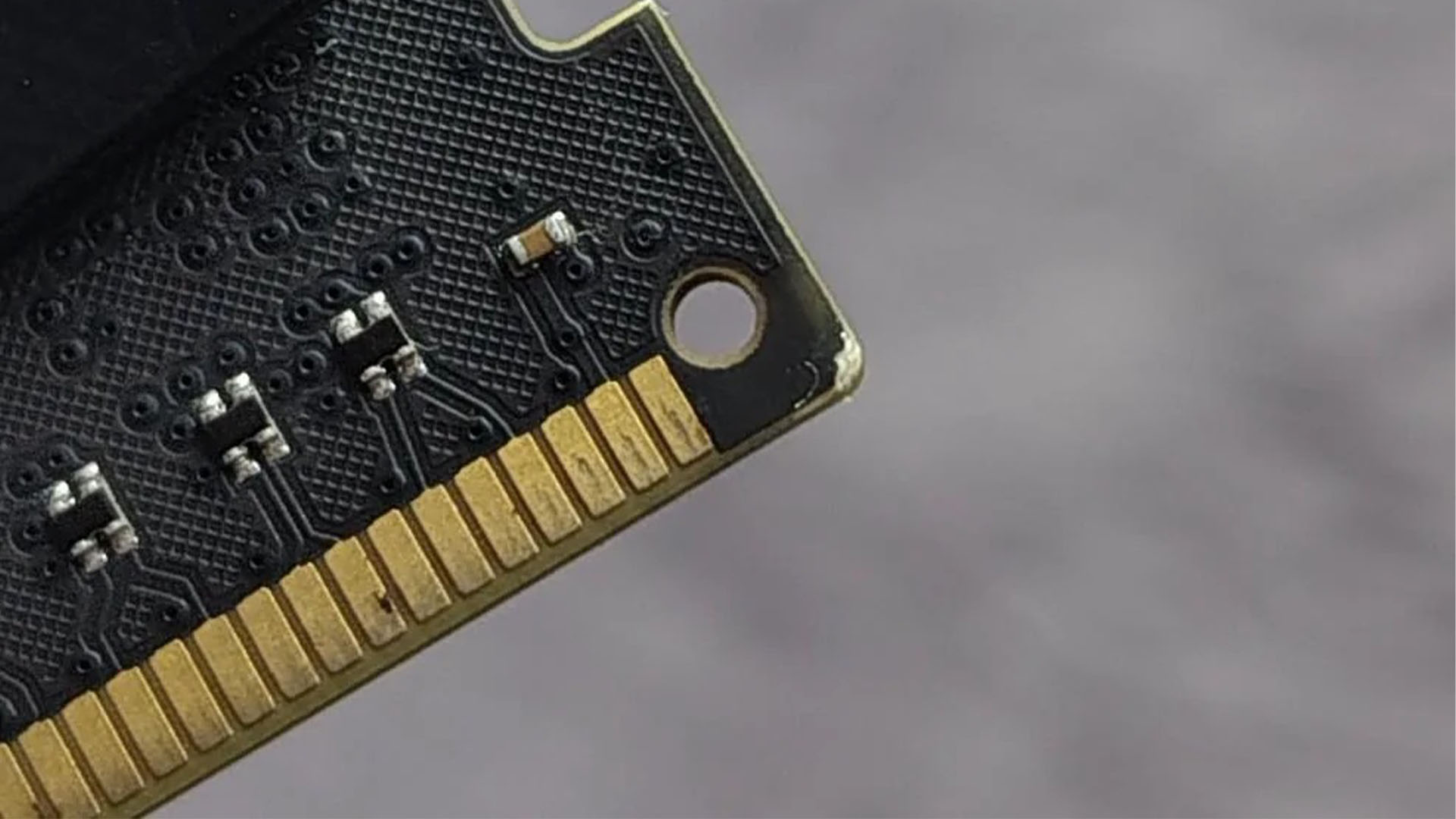
A recent RAM warranty case has sparked debate among PC builders after a customer claimed that G.SKILL rejected an RMA request because of a very small nick on the memory module’s PCB. The damage appears minor, and the gold contact pins look intact, but the case is a reminder that even cosmetic damage can be enough for a manufacturer to deny a warranty claim.
The situation was shared by a Reddit user named “Prestigious-Tea-8244,” who posted images of the affected memory stick. Based on the photos, the visible damage seems to be on a non-critical part of the RAM module rather than the contact area that connects to the motherboard. Many users argued that the module’s functionality may not have been affected at all.
However, warranty claims for PC hardware are not always based only on whether the product still works. Manufacturers often inspect physical condition closely, and any sign of damage can fall under warranty exclusions.
G.SKILL’s warranty policy includes language that allows the company to reject claims involving physical damage, abnormal mechanical conditions, abuse, accidents, neglect, modification, disassembly, or misuse. The policy also excludes some forms of wear and tear linked to normal use. In this case, the small PCB nick appears to have been enough for the company to classify the module as ineligible for warranty service.
This has created a split reaction among PC enthusiasts. Some believe G.SKILL is simply following its stated warranty terms, while others feel the decision is too strict, especially if the damage does not affect the RAM’s performance. For many users, the frustrating part is that memory modules can fail for reasons unrelated to visible cosmetic marks, yet a tiny chip or scratch can still complicate the RMA process.
The case also comes at a time when memory pricing and availability have been under pressure, making failed RAM kits more expensive and inconvenient to replace. For customers building or upgrading gaming PCs, workstations, or productivity systems, a rejected RAM warranty can quickly become a costly problem.
Still, the customer may not be completely out of options. In situations like this, it can help to politely escalate the issue with the manufacturer’s support team and ask for a second review. Companies sometimes make exceptions, especially if the customer can provide proof that the damage is unrelated to the failure.
If the RAM kit was purchased recently, contacting the retailer may be an even better route. Stores such as Amazon, Newegg, or other PC hardware sellers may offer returns or exchanges within their own return window, which can be easier than going through a manufacturer RMA.
This case is also a useful warning for anyone handling PC components. RAM sticks, graphics cards, motherboards, SSDs, and other computer parts should be handled carefully, preferably by the edges, and stored in anti-static packaging when not installed. Even a small mark on a PCB can become a problem during warranty inspection.
For PC builders, the main lesson is simple: keep components in clean physical condition, document issues early, save purchase receipts, and read the warranty terms before filing an RMA. A product may appear functionally fine from the outside, but manufacturers can still reject warranty coverage if they find any physical damage.
While many consumers may sympathize with the affected RAM owner, G.SKILL’s response appears to follow the kind of strict warranty policy that is common across the PC hardware industry. The best approach for the customer now is to continue communicating with support, request escalation, and explore a retailer return or exchange if the purchase is still eligible.