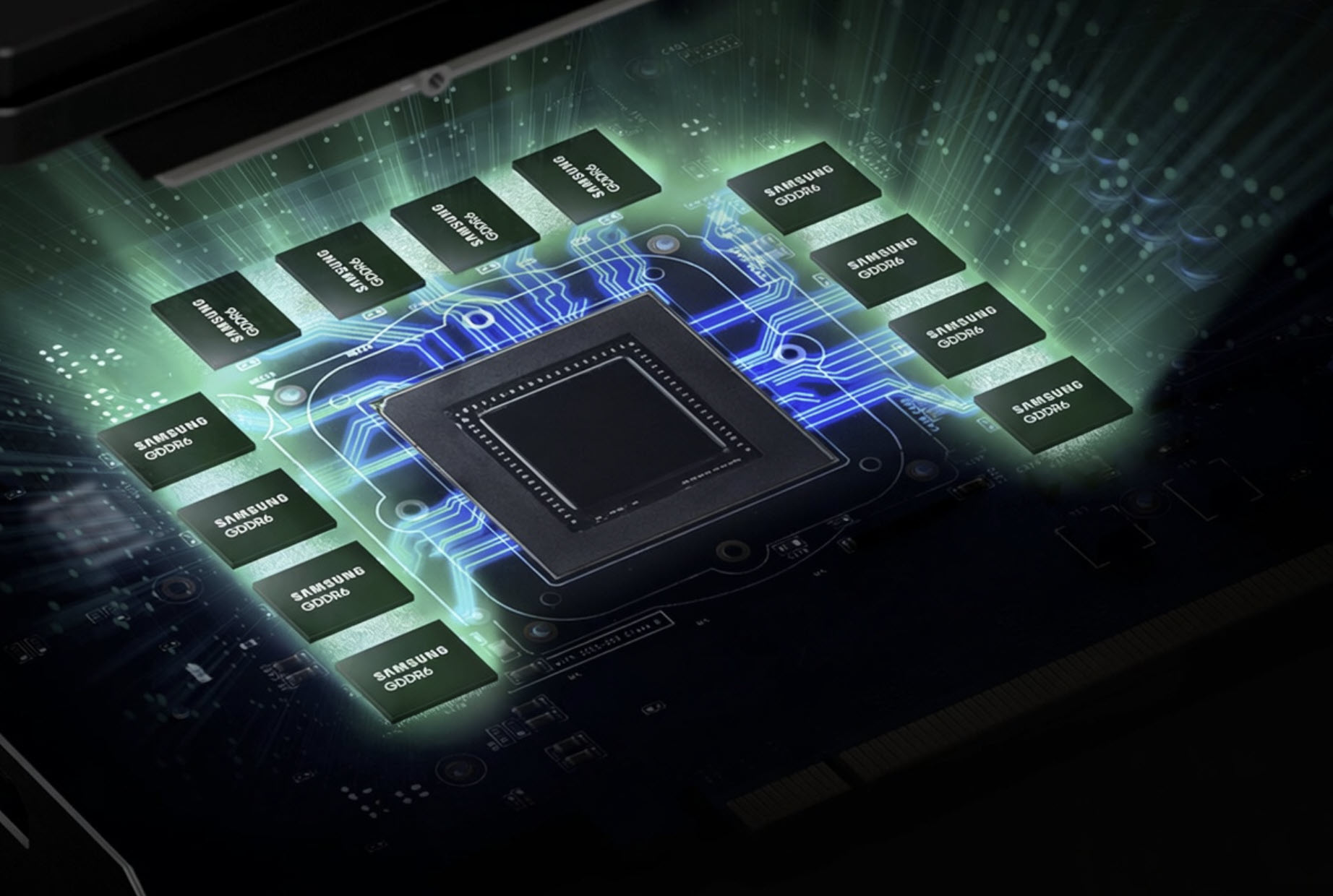
Tesla is reportedly ramping up its efforts to secure more GDDR6 memory from Samsung, a move that could tighten supply for popular gaming hardware that still depends heavily on this type of DRAM. If Samsung diverts a larger share of its GDDR6 output to automotive and AI use, it may increase the risk of higher prices or limited availability for products like the PlayStation 5 and a wide range of graphics cards that continue to ship with GDDR6.
Samsung remains one of the key producers of GDDR6, a graphics-focused memory standard commonly found in GPUs, SoCs, and AI-related hardware. While newer products at the very top end of the market are beginning to adopt next-generation memory standards, GDDR6 is still the volume workhorse across many current devices. That makes any shift in supply strategy a big deal for gamers, PC builders, and console buyers.
According to details cited from a Korean report, Samsung plans to significantly expand the amount of GDDR6 it ships to Tesla starting this month. Tesla has reportedly faced difficulty locking down enough memory for vehicle systems such as infotainment and autonomous driving computers. To meet that demand, Samsung has already increased production output of its 8Gb GDDR6 chips that are being supplied to Tesla, with output said to be up by roughly four times. Even so, Tesla’s request was reportedly even larger—more than five times the previous supply—suggesting demand may continue to pressure Samsung’s GDDR6 production lines.
This is happening at the same time GDDR6 pricing is spiking. Market tracking data cited in the report points to a dramatic rise in the spot price of 8Gb (1GB) GDDR6, climbing from about $2.846 in late October to around $12.335 recently. That’s more than a fourfold increase in roughly six months, highlighting how quickly the market can tighten when demand outpaces supply.
There’s another factor that could amplify the squeeze: Samsung is said to be cautious about scaling production too aggressively, aiming to protect profitability. The company has reportedly trimmed its GDDR6 lineup to focus on the most profitable versions, which can further limit flexibility when a major customer suddenly asks for a massive supply increase.
For consumers, the concern is straightforward. A long list of gaming and professional hardware still relies on GDDR6 memory, including many current-generation GPUs. If more of Samsung’s output is pulled toward the automotive and AI sector, it can ripple into retail pricing and availability for graphics cards and consoles. The end result could be higher prices for existing GDDR6-based products, tighter supply on shelves, or both—especially if other memory makers can’t quickly pick up the slack.
In the near term, the biggest signal to watch is whether GDDR6 spot pricing stays elevated or climbs further. If it does, it often translates into higher component costs that eventually show up in the prices shoppers pay for GPUs, prebuilt PCs, and potentially console-related supply chains.