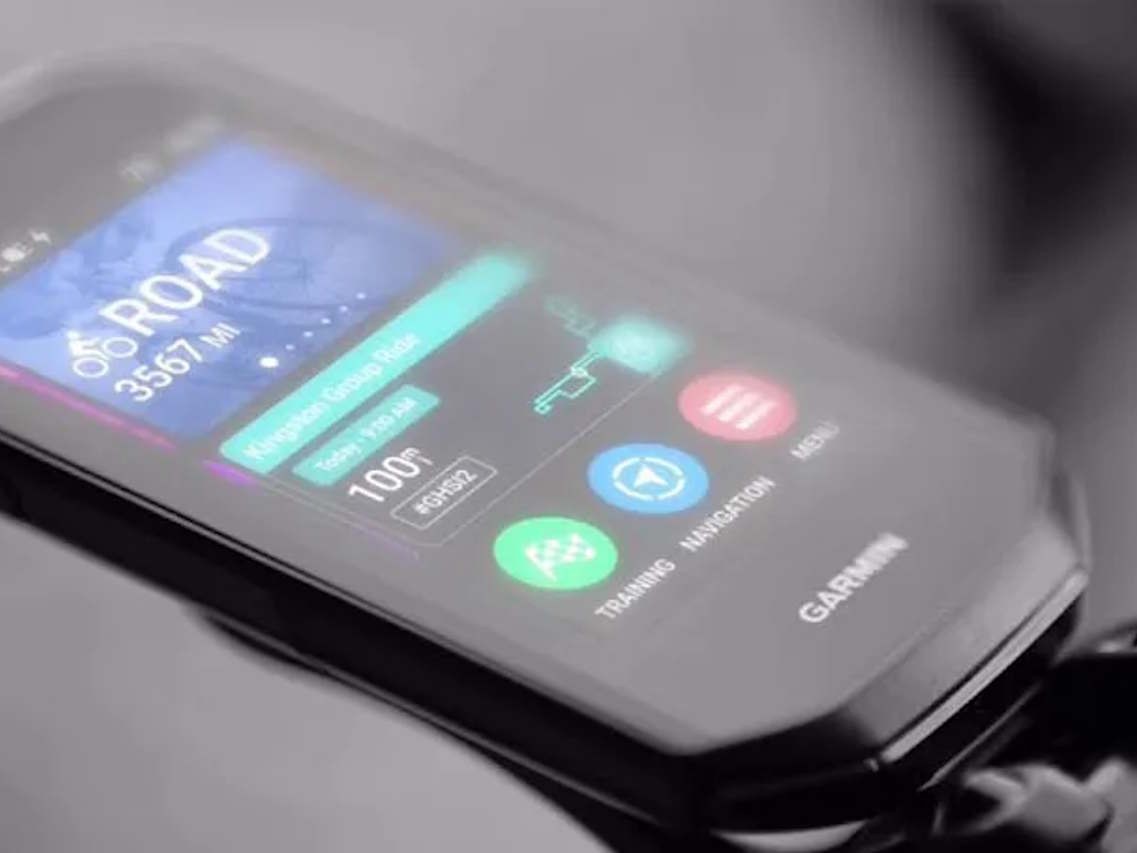
Garmin Edge Cycling Computers Add Gear Tracking to Help Riders Monitor Bike Parts and Maintenance
Garmin is adding a practical new gear tracking feature to its Edge cycling computers, giving cyclists a smarter way to monitor how long their equipment has been in use. The feature is designed to track distance, hours, and days of use for different gear items, including bikes, running shoes, tires, chains, cassettes, and other components.
For cyclists who rely on their equipment for training, commuting, or long-distance rides, this could be a valuable upgrade. Instead of guessing when a chain needs replacing or when tires are approaching the end of their safe lifespan, Garmin users can now keep a clearer record directly through Garmin Connect.
The new feature automatically logs gear usage during recorded activities. Once a user assigns specific equipment to an activity, Garmin tracks how much distance and time that item has accumulated. Riders can also set maintenance or replacement intervals, allowing the system to send alerts when a component is nearing its recommended limit.
This can help cyclists avoid preventable mechanical problems. Worn tires, fatigued drivetrain components, or an overstretched chain can increase the risk of failure while riding. By receiving reminders before parts are pushed too far, users may be able to reduce the chance of breakdowns and improve overall ride safety.
The feature may also help riders save money over time. One of the best examples is the bike drivetrain. A chain that is used for too long can stretch and accelerate wear on the cassette. Since cassettes, especially on premium groupsets, are often much more expensive than chains, replacing a chain at the right time can help protect the rest of the drivetrain.
For riders using more affordable drivetrains, the decision may be different. Some cyclists may choose to use the entire drivetrain until it is fully worn out. However, having accurate mileage and usage data still makes it easier to decide when maintenance is worthwhile and when replacement makes more sense.
Adding gear appears to be handled through Garmin Connect, where users can enter equipment details and set custom service intervals. This makes the system useful not only for bike parts but also for other activity gear, such as running shoes. Runners can track shoe mileage, while cyclists can monitor multiple bikes or individual components across different training sessions.
Early user reports suggest that the feature is already active for some Garmin Edge owners. However, at least one user has noted that the rollout could benefit from clearer communication and better instructions. As the feature becomes more widely available, Garmin may provide more guidance to help users set up and manage their gear tracking properly.
For cyclists who already use Garmin Edge devices for navigation, performance data, and training management, gear tracking adds another layer of everyday usefulness. It turns the cycling computer into more than a ride recorder; it becomes a maintenance assistant that helps riders stay organized, protect their equipment, and make smarter decisions about repairs and replacements.
With automatic usage logging, customizable alerts, and support for multiple gear types, Garmin’s new gear tracking feature could become especially helpful for serious cyclists, endurance athletes, and anyone who wants to keep their bike running smoothly for longer.