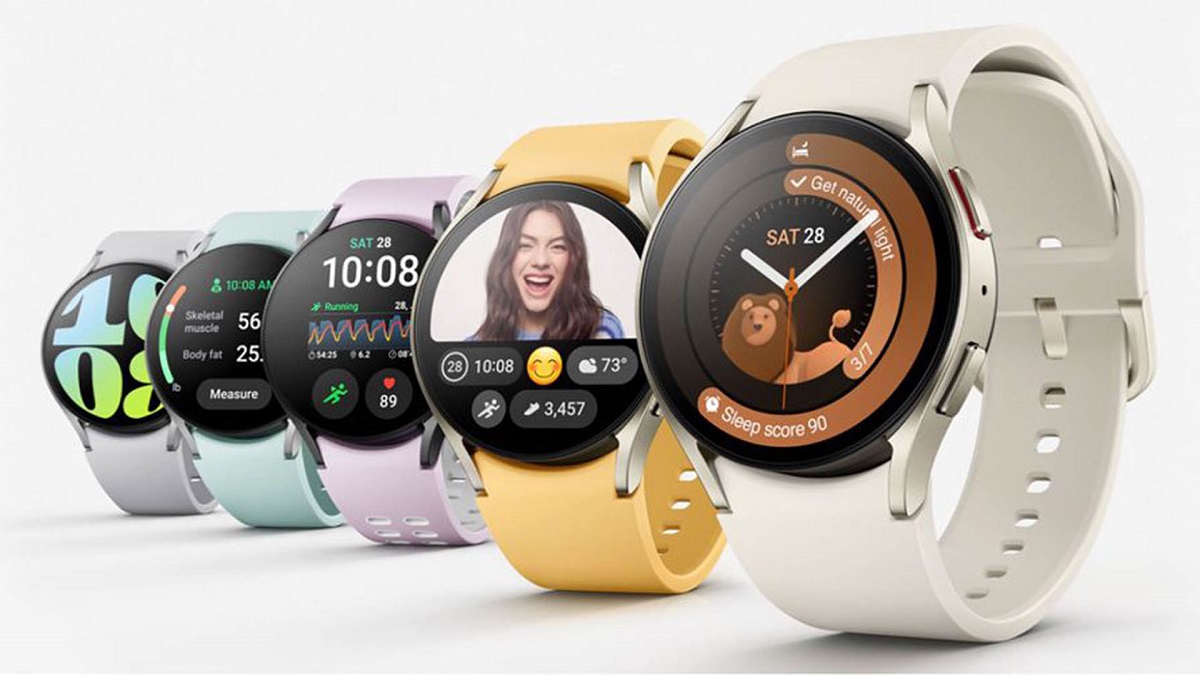
Samsung is poised to introduce an innovation that may revolutionize its lineup of devices: the first 3nm chip technology, which is anticipated to debut with the upcoming Galaxy Watch 7. With the Korean Economic Daily’s latest news report, there’s increased evidence to suggest that this technology might soon become a reality.
The Galaxy Watch 7 is rumored to be the first device to harness the power of this 3nm chip, specifically the Exynos W1000. The technology is expected to produce significant gains in performance and efficiency—two crucial factors in the realm of wearable tech. This advanced chip is projected to improve the watch’s performance by a staggering 20% and greatly enhance power efficiency compared to its predecessors.
Amidst a landscape where Samsung has pledged to roll out 2nm chips by 2025 and 1.4nm chips by 2027, it’s clear the tech giant is setting the stage for a leap forward in semiconductor innovation. The Exynos 2400 chip for the Galaxy S24 is set to be based on a 4nm process, giving way to the Exynos 2500 to embrace the 3nm process for that extra punch of performance.
According to reports, Samsung may begin the chip’s production in the latter half of the year, employing its second-generation 3nm process node—one of the most advanced technologies available in the semiconductor industry. This places Samsung on par with TSMC, which also produces chips under this process and has contributed to Apple’s leading position in the market.
The Galaxy Watch 7 isn’t just about internal innovation; it’s also rumored to feature an increase in storage up to 32GB, improved AI capabilities, larger batteries, and more sophisticated features for the Samsung Health application. These enhancements are geared towards making the Samsung wearable lineup more competitive, especially against contenders like the Apple Watch Series 9 and Series 10, which are expected to be released later in the year.
There are whispers of three distinct Galaxy Watch 7 models in the pipeline, including a yet-to-be-revealed variant. An interesting point of speculation is whether Samsung will equip all three models with the 3nm chip or reserve this leading-edge processor exclusively for the Pro model. In any case, this new chip could significantly impact the high-stakes competition in the world of smartwatches.
With the tech community also looking forward to the launch of the Galaxy Z Fold 6 and the Galaxy Z Flip 6, as well as the much-anticipated Galaxy Ring, Samsung’s commitment to infusing cutting-edge technology into its products remains evident.
While details are not set in stone, the Galaxy Watch 7, armed with the Exynos W1000 chip, represents a technological stride potentially setting a new standard for performance and energy efficiency in wearables. As the release approaches, consumers and tech aficionados alike are waiting to see how this advancement will reshape the landscape of smartwatch capabilities.