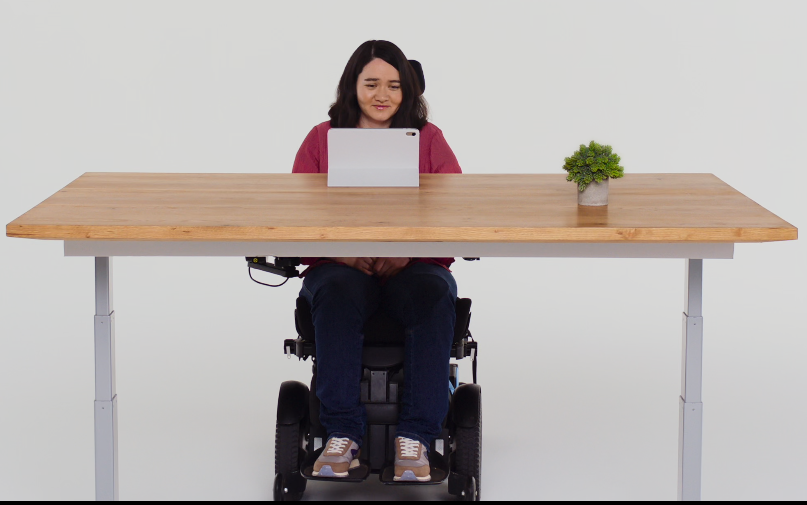
Apple is set to introduce a range of revolutionary accessibility features in its upcoming iOS and iPadOS updates, aiming to make iPhones and iPads vastly more user-friendly, especially for individuals with disabilities.
Among the most anticipated updates is the introduction of Eye Tracking. This advanced feature will allow users to control their iPhone or iPad using only their eyes. Shifting their gaze around the screen, they’ll be able to seamlessly navigate apps, select items, and perform gestures such as tapping and scrolling. This functionality has been made possible through the use of the front-facing camera alongside sophisticated on-device machine learning technologies. Apple emphasizes that Eye Tracking is designed to protect user privacy by processing all data on the device itself, ensuring no personal information is externally shared.
Music Haptics presents another ground-breaking addition, wherein the iPhone vibrates in correlation with the audio from Apple’s Music app. This feature enriches the musical experience for users who are deaf or hard of hearing, by providing them with a tactile dimension to music. Apple will also release an API, allowing third-party app developers to integrate Music Haptics into their applications.
Voice control on Apple devices receives a boost with Vocal Shortcuts, a new system allowing users to set up personalized voice commands. This innovation is accompanied by the feature Listen for Atypical Speech, which helps the device adapt and respond to users with unique speech patterns, facilitating better recognition and understanding of commands.
For those often on the move, Vehicle Motion Cues is arriving as a fresh addition aimed at enhancing spatial awareness. It does so by filling the device’s screen with moving dots, reflecting the actual motion of the vehicle—helpful for users needing visual cues while traveling. This feature bases its output on the iPhone’s or iPad’s built-in sensors, offering both automatic and manual toggle options through the Control Center.
CarPlay users aren’t left out, with new accessibility features on the horizon including Voice Control, Color filters catered to the colorblind, and Sound Recognition designed to alert deaf or hard of hearing drivers to critical sounds such as sirens or alarms.
Updates will also be made to existing accessibility functionality, providing extended support and improved experiences for Apple device users.
With these updates, Apple reaffirms its commitment to inclusive design and expands the ways in which its technology can cater to diverse user needs. Whether for those with limited mobility, auditory challenges, or unique speech characteristics, Apple’s forward-thinking features are set to open up new realms of interaction and engagement with their devices.