Samsung grabbed attention with the Galaxy S26 Ultra by introducing Privacy Display, a new privacy-focused feature designed to keep prying eyes off your screen. Using a mix of built-in hardware and software, it can obscure what’s on your display so that sensitive details aren’t easily visible to people nearby. Even though the phone launched less than a month ago, Samsung has already teased what looks like a next-generation upgrade to the feature at MWC.
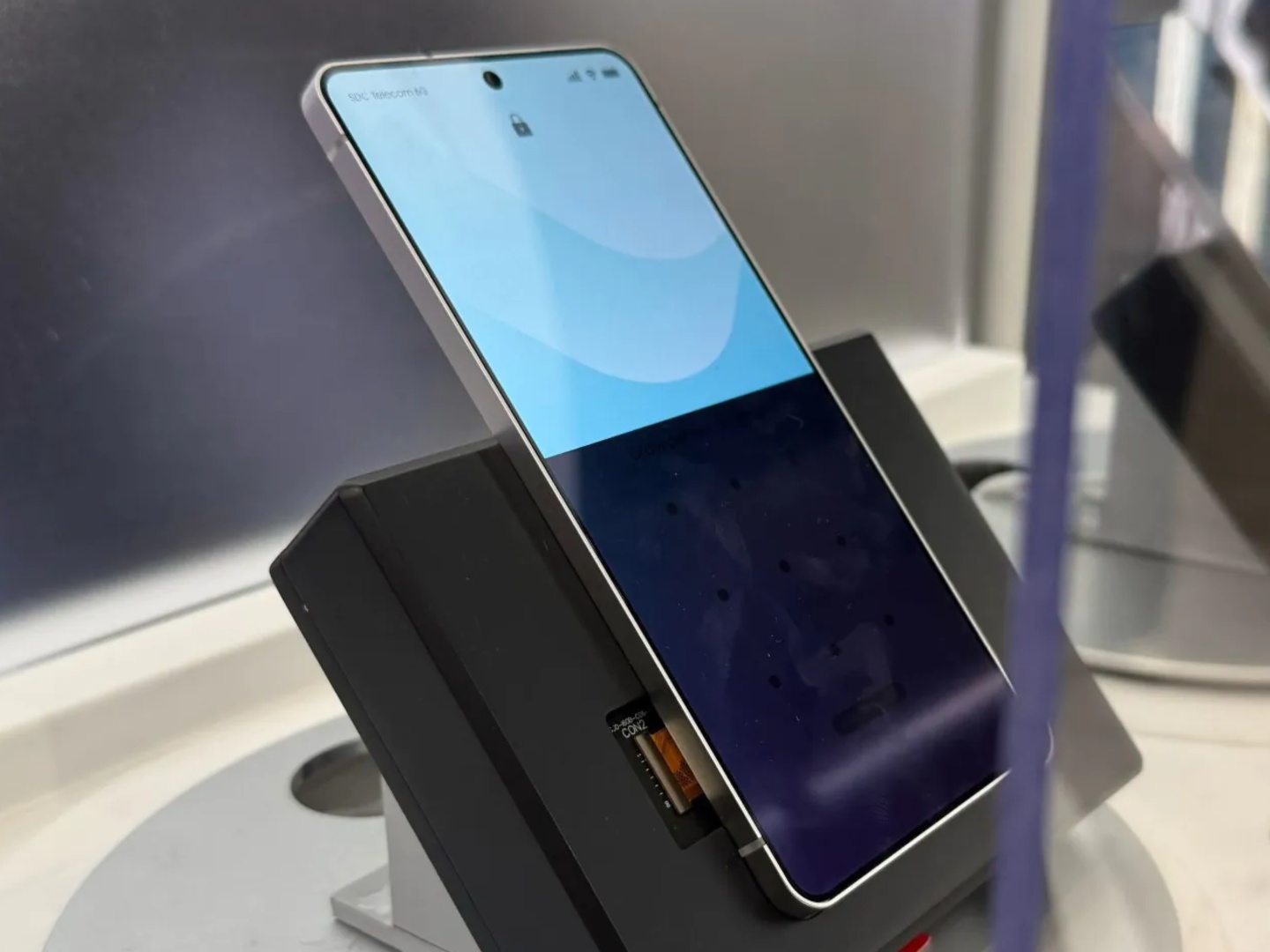
At the show, observers spotted updated Privacy Display behavior running on Samsung prototype devices that closely resemble the Galaxy S26 Ultra. The big change is flexibility. While the original idea of hiding the entire screen or masking sensitive elements like passwords, notifications, and other private content still appears to be supported, this updated version adds a more customizable option: you can hide a large portion of the screen while keeping the rest fully visible and usable.
In photos shared from the event, one device shows roughly half of the display obscured, while another hides a little under a third. This suggests Samsung is experimenting with finer-grained control—useful for situations like commuting, working in public, or using your phone in a crowded venue where you still want to see and interact with part of your screen without exposing everything to people around you.
The downside is that Samsung reportedly indicated this upgraded Privacy Display won’t be coming to the Galaxy S26 Ultra. The reason is hardware. If the newer version requires different display components or added internal tech, it wouldn’t be something a simple software update could deliver.
Still, there’s a silver lining for anyone thinking about waiting for the next flagship. A Samsung executive hinted that the Galaxy S27 Ultra could be the phone that gets this enhanced Privacy Display. If that happens, it could help make the Galaxy S27 Ultra feel like a more meaningful upgrade—especially at a time when many smartphone lineups have been criticized for incremental year-to-year changes.
And Privacy Display might not be the only major improvement on the horizon. Recent chatter suggests Samsung has been testing silicon-carbon battery technology, which could lead to better battery capacity or efficiency in the Galaxy S27 series. There are also claims that the Galaxy S27 Ultra may receive more substantial camera upgrades, potentially addressing the demand for bigger leaps in image quality rather than minor refinements.
On the performance side, another report points to Samsung exploring a broader shift toward its in-house Exynos processors across more Galaxy devices. While no firm timeline has been shared, the Galaxy S27 lineup could include more models powered by Exynos—signaling a bigger strategy change in how Samsung equips its flagship phones.
If these developments land together—an upgraded Privacy Display, noticeable battery improvements, stronger camera changes, and a revamped chip strategy—the Galaxy S27 Ultra could end up being one of the more interesting Galaxy S upgrades in years for people who care about privacy, daily usability, and meaningful flagship advancements.


