Samsung has spent the last few generations taking a cautious route with its top-tier phone cameras. Rather than dramatically changing camera hardware, the company has often relied on familiar sensors and leaned hard on computational photography—AI processing, multi-frame stacking, and image algorithms designed to squeeze better photos and video out of similar components.
That strategy can hold up, but only as long as rivals aren’t making big leaps in physical camera hardware. And based on the latest comparisons making the rounds, the Galaxy S26 Ultra is shaping up to look surprisingly conservative on paper next to some of the more aggressive camera-focused flagships coming out of China.
A recent comparison shared on X by @nexpoly puts Samsung’s upcoming Galaxy S26 Ultra alongside the Vivo X300 Ultra, and the contrast is eye-opening. Both phones appear close enough in the main wide-angle camera category, but the differences become more noticeable when you look at the supporting cameras. Vivo’s setup reportedly features larger physical camera modules overall, which matters because sensor size plays a huge role in image quality.
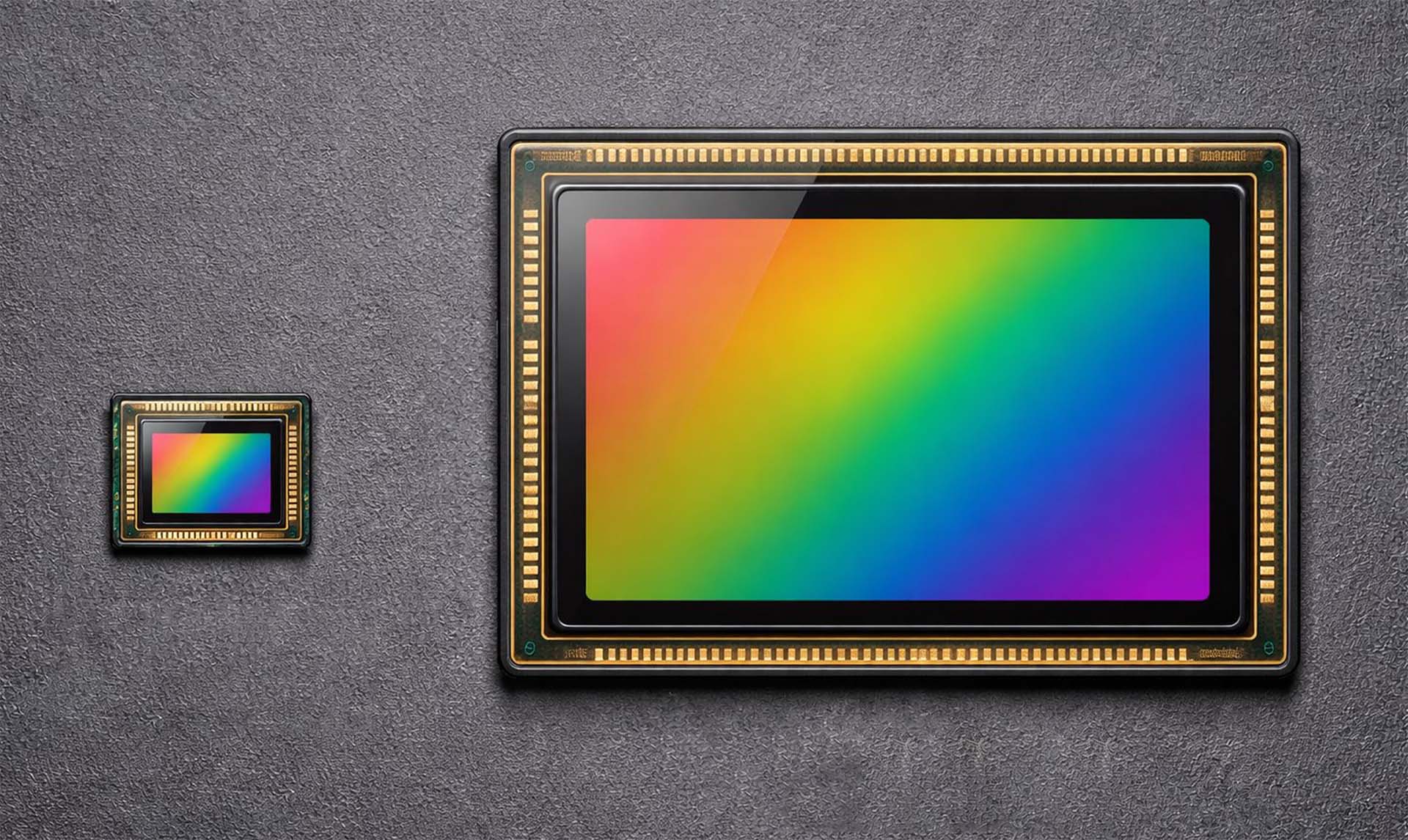
In simple terms, bigger camera sensors can capture more light. That usually translates to cleaner photos, better dynamic range, and stronger low-light performance with less noise—especially in challenging scenes like night shots, indoor lighting, or fast-moving subjects. Computational photography can narrow the gap, and Samsung is one of the best in the business at using software to improve final results. But software can only go so far when hardware limitations become the main obstacle.
The Galaxy S26 Ultra does have one spec advantage, though: it’s expected to include an extra periscope telephoto camera, giving the phone more flexibility for zoom ranges and framing options. Still, spec sheets don’t tell the whole story, and real-world results will depend on how Samsung tunes processing, how strong stabilization and autofocus are, and how consistent the cameras perform across lighting conditions.
Camera talk isn’t the only rumored compromise, either. The Galaxy S26 Ultra’s S Pen is expected to drop Bluetooth connectivity, which could affect features that rely on wireless communication.
Battery chatter is also picking up. Leaked marketing material points to a 5,000mAh battery—suggesting similar capacity to the Galaxy S25 Ultra. However, a Weibo tipster known as Momentary Digital claims the Galaxy S26 Ultra could deliver noticeably longer battery life than previous Samsung flagships, implying that efficiency gains (likely from the chipset, display tuning, and software optimization) might do more for real-world endurance than a bigger battery would.
For now, the big question is whether Samsung’s familiar “hardware plus heavy computation” formula can keep up as competitors push larger sensors and more ambitious camera hardware. On paper, Vivo’s approach looks like it could outperform Samsung in pure light-gathering ability, but the final verdict won’t come from spec comparisons—it’ll come from side-by-side photos, video tests, zoom quality, and consistency in everyday shooting.