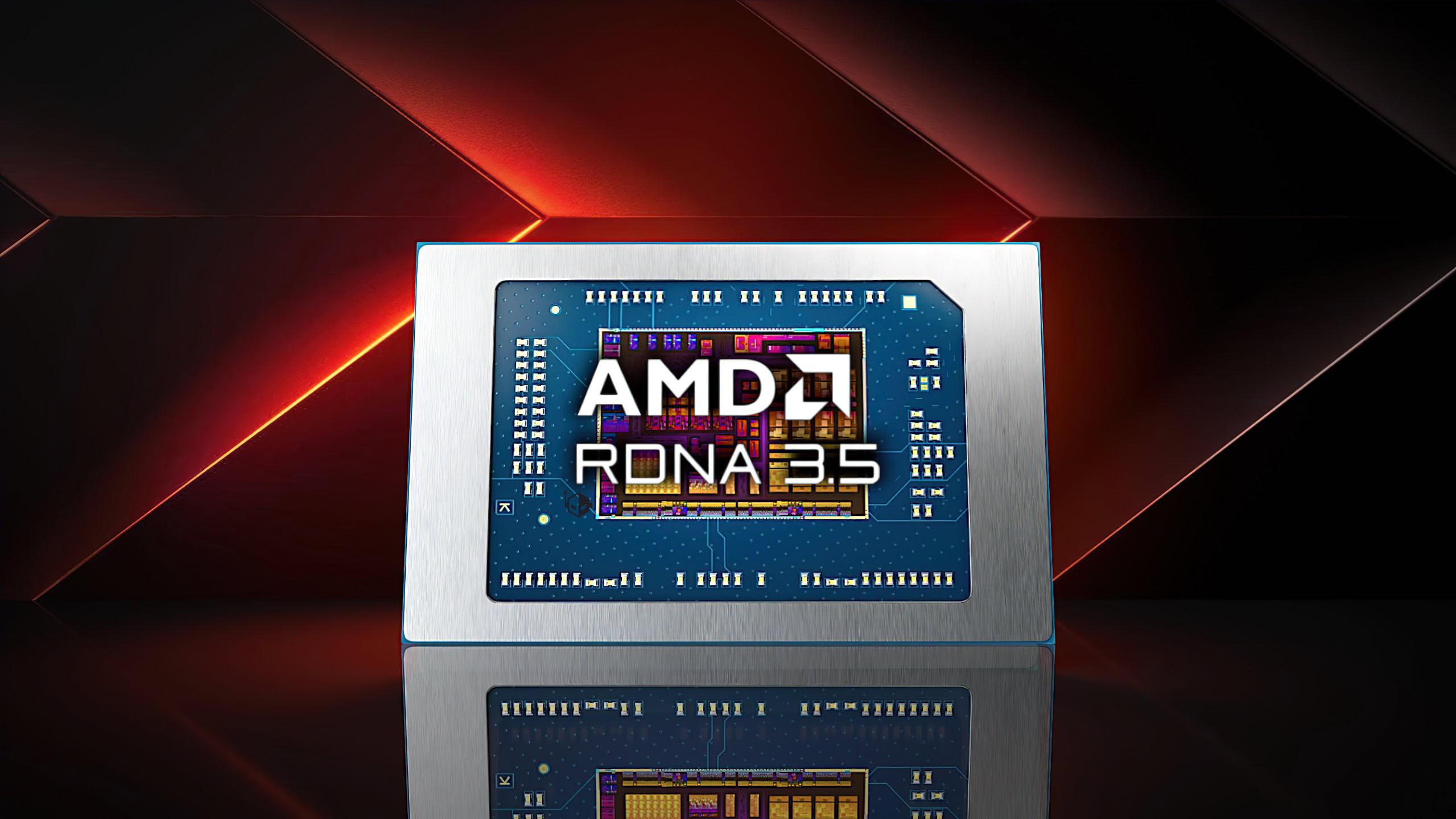
Exciting developments are brewing in the world of AMD processors, as their upcoming Zen 6 “Medusa Point” APUs for laptops are set to feature a refined version of the RDNA 3.X architecture for their integrated GPUs. This decision stirs curiosity, especially since previous whispers suggested a leap to RDNA 5 technology for the desktop variants.
Amidst the anticipation surrounding AMD’s next-generation Zen 6 processors, there have been quiet murmurs since our last report a few months ago, primarily centered on desktop models. As AMD gears up for the launch of their laptop-specific “Medusa Point” series, these units are expected to take flight in the APU lineup, succeeding the current Strix Point, Strix Halo, and Krackan Point series.
Last year, it was hinted that Medusa might skip RDNA 4 altogether, opting instead for RDNA 5 in its desktop lineup, known as Medusa Ridge. However, the latest intel from a respected insider, Golden Pig Upgrade on Weibo, indicates that Medusa Point will maintain the RDNA 3.X architecture for its GPU cores. While it’s not crystal clear if this means RDNA 3.5 or another iteration, it’s becoming increasingly likely that Medusa Point may forgo a transition to RDNA 4 altogether.
Earlier reports underlined AMD’s ongoing commitment to the RDNA 3.5 architecture, which has already been successfully integrated into several models, including the Zen 5 series. Debuting in 2024, the RDNA 3.5 technology has been embraced by the Strix Point and further applied to both Krackan Point and Strix Halo. Its solid performance in modern laptops appears to mitigate the immediate need for additional entry-level or budget discrete GPUs.
AMD’s current Strix APUs exemplify an adept mix of Zen 5, RDNA 3.5, and XDNA 2 IPs, showcasing up to 40 Compute Units in the Strix Halo chips. This strategic combination allows these GPUs to hold their own against NVIDIA’s RTX 4060/4070 laptop GPUs in gaming scenarios. Despite this success, RDNA 4 is touted as a significant architectural advancement, poised to deliver even greater enhancements for forthcoming releases.
Ultimately, the true test for AMD’s Zen 6 series will be in its performance metrics. As Panther Lake and its Xe3 architecture prepare for arrival in the latter half of the year, AMD faces pressure to assert a more commanding lead than achieved with the RDNA 3.5 architecture. It’s important to note that while the anticipation around Medusa Point’s iGPU architecture grows, official details from AMD might not surface until the latter part of 2025.