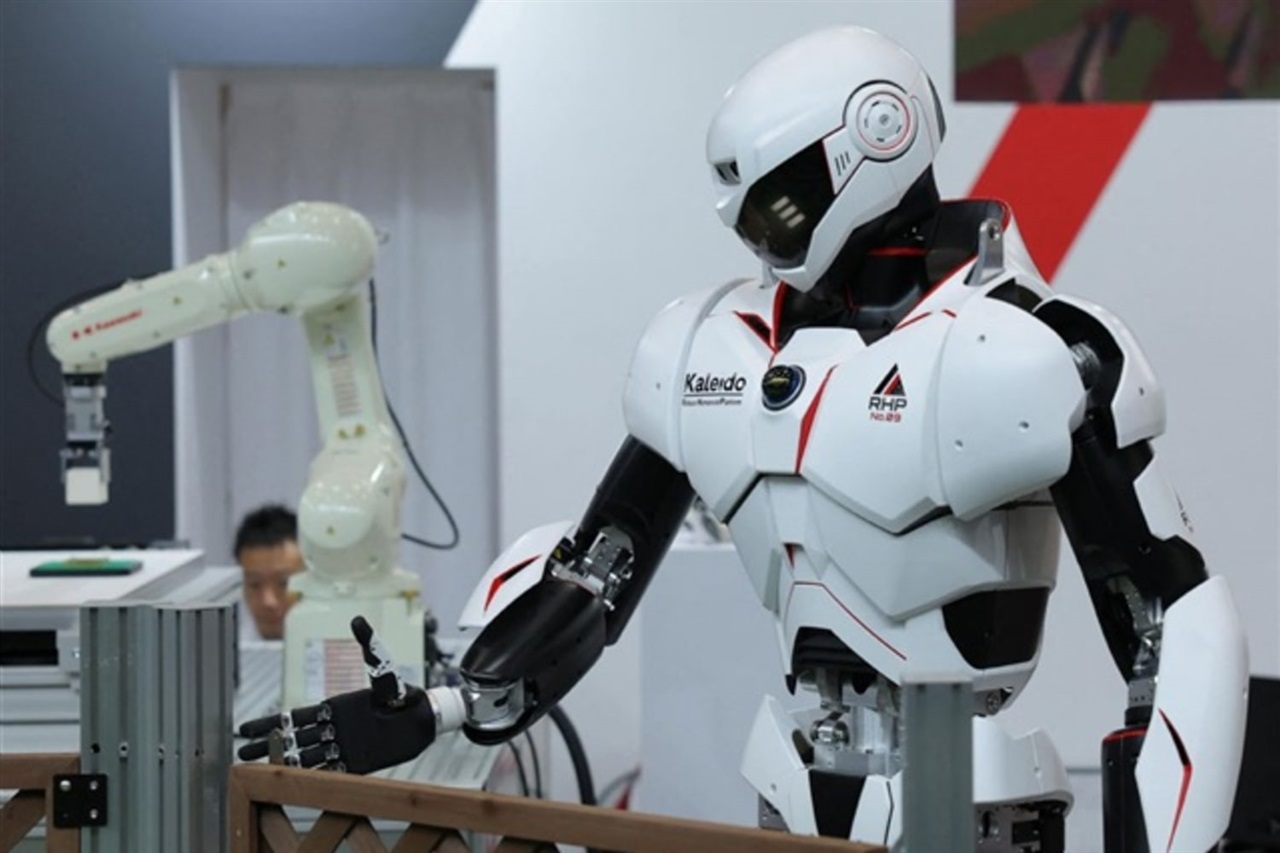
Under the neon glow of CES 2026, the global auto industry signaled a quiet but meaningful change in direction. This year, the conversation wasn’t limited to smarter infotainment, new battery breakthroughs, or the next wave of electric vehicles. Instead, many automakers broadened their ambitions into a closely related—and potentially game-changing—frontier: AI-powered robotics.
CES has long been a stage for concept vehicles and future-facing tech, but CES 2026 made one thing clearer than ever: carmakers are starting to think beyond wheels. The spotlight is shifting from purely building vehicles to developing intelligent machines that can move, perceive, and act in the real world—systems that rely on advanced sensors, computer vision, AI decision-making, and autonomy. In other words, the same foundational technologies that power modern driver-assistance systems are now being repurposed for robots designed to operate outside the cabin.
This pivot makes strategic sense. Automakers already invest heavily in areas like perception hardware, high-performance computing, real-time mapping, and safety-certified software. Those capabilities translate naturally into robotics, where machines must interpret complex environments and respond instantly—whether they’re navigating a warehouse floor, assisting in factories, or performing helpful tasks in public spaces.
At CES 2026, the industry’s message felt more expansive than “the future of driving.” It was closer to “the future of mobility”—including robots that walk, balance, and work alongside people. Rather than chasing novelty, the move hints at a longer-term plan: diversify what “automotive technology” can become, and turn decades of engineering, manufacturing, and autonomy research into new products and new revenue streams.
The implications could be significant. If automakers succeed, robotics could evolve into a parallel business pillar—one that complements vehicle production while opening doors in industrial automation, logistics, and even service robotics. CES 2026 may be remembered less for flashy dashboards and more for a subtle but decisive industry mindset shift: from building machines that drive to building machines that move.