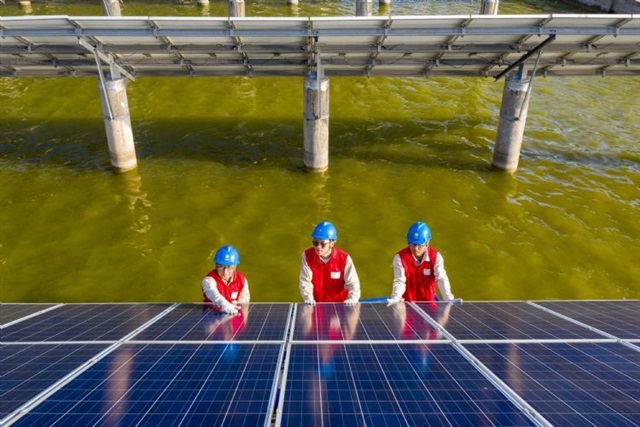
China is doubling down on trade protections as the technology and industrial battle between Beijing and Washington continues to heat up. In a new move aimed at safeguarding its domestic solar supply chain, China’s Ministry of Commerce announced on January 13 that it will extend anti-dumping tariffs on imported solar-grade polysilicon from the United States and South Korea.
The renewed measure will remain in effect for another five years, starting January 14, 2026. Polysilicon is a critical raw material used to manufacture solar panels, making it a cornerstone of the clean energy industry and a strategic product in global manufacturing.
By extending these duties, China is signaling that it intends to keep strong barriers in place against imports it believes are priced unfairly. The decision also reflects broader tensions in global trade, where major economies are increasingly using tariffs and other tools to defend domestic industries tied to high-tech production and energy security.
For businesses involved in solar manufacturing and related supply chains, the extension could influence sourcing strategies, pricing dynamics, and long-term planning in one of the world’s most pivotal renewable energy markets. As the geopolitical competition around technology and industrial dominance grows, moves like this highlight how trade policy is becoming a key battleground alongside innovation and production capacity.