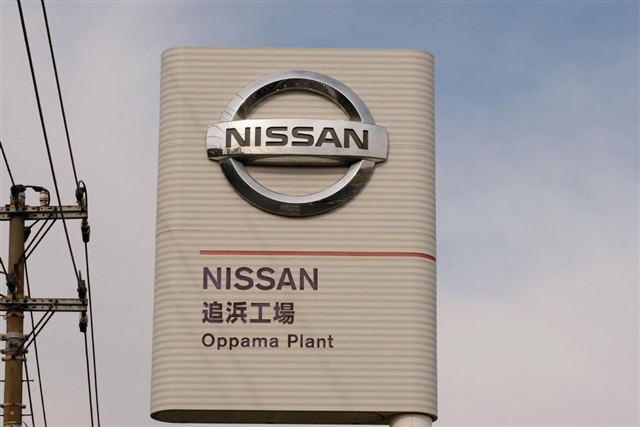
Nissan is preparing a major shake-up of its manufacturing footprint. Facing prolonged financial headwinds, the automaker plans to shut down the Oppama plant—one of its core production sites—by March 2028. The move signals a multi-year wind-down of operations at a facility that has long been central to Nissan’s output in Japan.
A potential lifeline for the site appears to have dimmed. Talks to sell the factory to Taiwan’s Foxconn, a heavyweight in electronics and an increasingly active player in electric vehicles, have stalled. Without a deal in place, Nissan is left to manage an orderly closure while exploring other options for the complex, its equipment, and its workforce.
The decision underscores how tough the current manufacturing climate is for legacy carmakers. Financial pressure, shifting consumer demand, and the costly transition to electrified lineups are forcing companies to reassess capital-intensive assets. By setting a clear 2028 timeline, Nissan gives itself room to rebalance production, phase out tooling, and redirect investment toward higher-growth programs and more flexible plants.
What this means for employees and suppliers will be closely watched. Nissan is expected to take a phased approach that could include redeployments, retraining, or early retirements over the coming years. Local suppliers tied to Oppama may also face adjustments as volumes taper and the industrial mix evolves.
For Foxconn, stalled talks reflect the complexity of repurposing an automotive site, even for a company with massive manufacturing scale and EV ambitions. Whether negotiations resume, a different buyer emerges, or the facility is repurposed for other industrial uses remains an open question.
Key things to watch next:
– How Nissan reallocates production to other plants and which models are affected as the wind-down progresses.
– Any renewed discussions with potential buyers or partners to reuse the site for EVs, components, or advanced manufacturing.
– Workforce transition plans and timelines as 2028 approaches.
– Signals on Nissan’s broader strategy to streamline operations and invest in electrification and software-defined vehicles.
As the industry recalibrates, Nissan’s Oppama exit plan is a clear sign of the hard choices required to stay competitive. The company is prioritizing financial resilience and future-focused capacity, even if it means saying goodbye to a longstanding production hub.