Nissan doubles down on AI to speed up car development and cut physical testing
Nissan is expanding its partnership with AI company Monolith in a three-year deal designed to transform how its vehicles are developed and validated. The goal is clear: bring new models, including next-generation electric cars, to customers faster by replacing many traditional tests with AI-driven predictions and recommendations. Nissan believes this approach can dramatically shorten development timelines and reduce costs, while maintaining high standards for quality and performance.
This collaboration is a core pillar of Nissan’s global strategy, known as Re:Nissan. The automaker first used Monolith’s technology during the development of the latest all-electric Nissan Leaf, where AI was applied for test validation. The plan now is to roll out the software more broadly across future models developed for Europe.
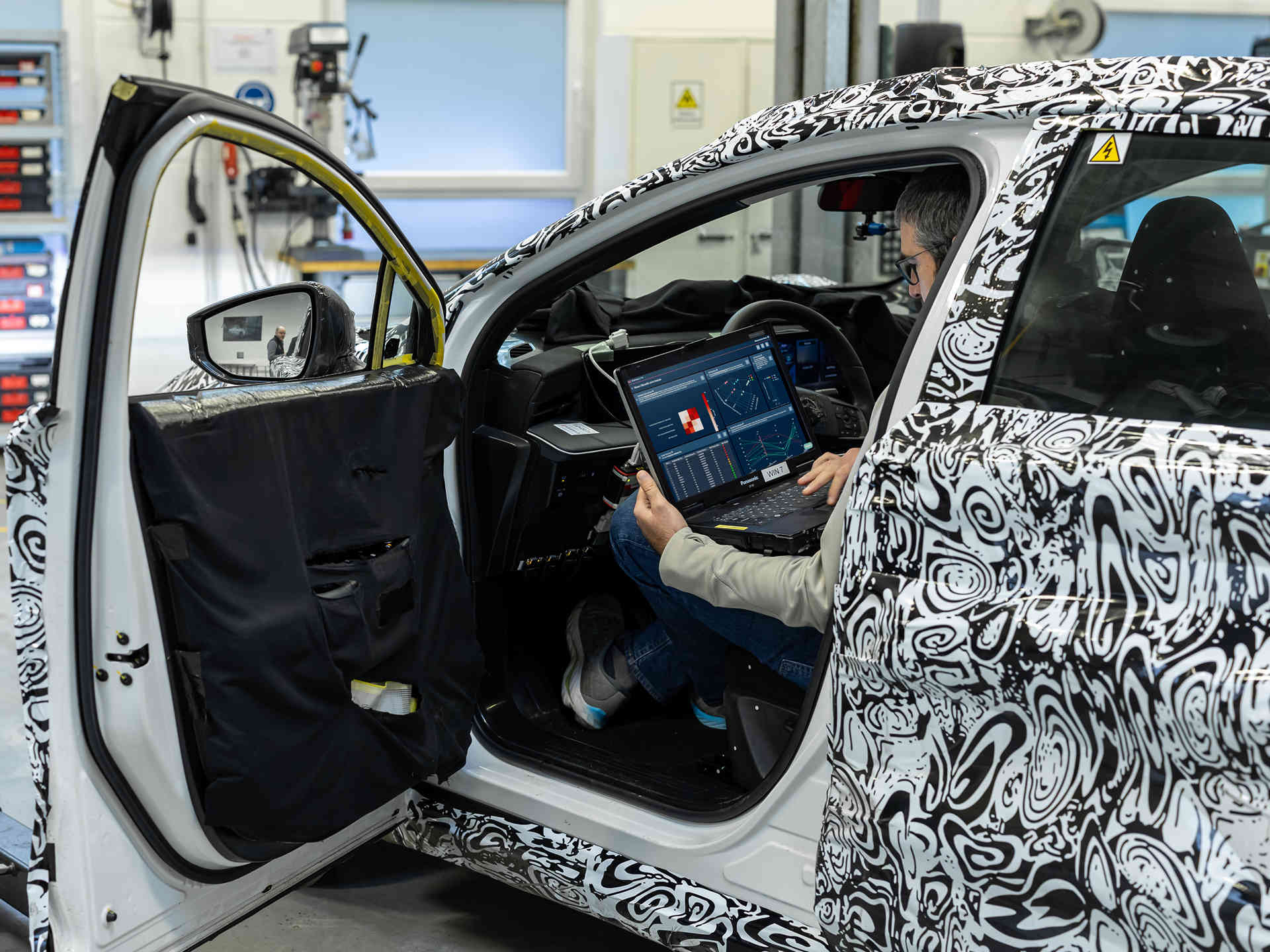
What sets Monolith’s platform apart is that it’s built on decades of real-world knowledge. The AI learns from a vast archive of test data gathered over ninety years of Nissan research and development. Engineers at the Nissan Technical Centre Europe in Cranfield, UK, are already using the tools to predict physical test outcomes with high accuracy. By doing so, the team can reduce the number of prototypes, streamline validation, and focus their time on solving complex engineering problems rather than repeating routine tests.
Early results are promising. In a pilot project focused on determining the optimal torque range for tightening screws, the AI was not only able to identify the target range but also flagged which remaining checks still required manual confirmation by specialists. The outcome: approximately 17% fewer physical tests compared to conventional processes.
Nissan sees that figure as just the start. If the same AI-led approach is scaled across its European vehicle lineup, the company estimates testing time could be cut by as much as half. Leadership at Nissan Technical Centre Europe says the machine learning models are already reducing reliance on prototypes and will play a key role in getting the next generation of vehicles to market more quickly.
Monolith’s platform includes tools such as a Next Test Recommender to guide engineers toward the most informative experiments and an Anomaly Detector to spot unexpected behavior early. According to Monolith, these capabilities help compress development cycles without compromising vehicle performance or safety.
For drivers and EV enthusiasts, this shift promises faster delivery of new models and updates, particularly in Europe where the rollout will accelerate first. For Nissan’s engineering teams, it means smarter validation, fewer bottlenecks, and a more agile path from concept to road-ready car. And for the industry as a whole, it’s a clear signal that AI-powered testing and validation are becoming a cornerstone of modern automotive development.