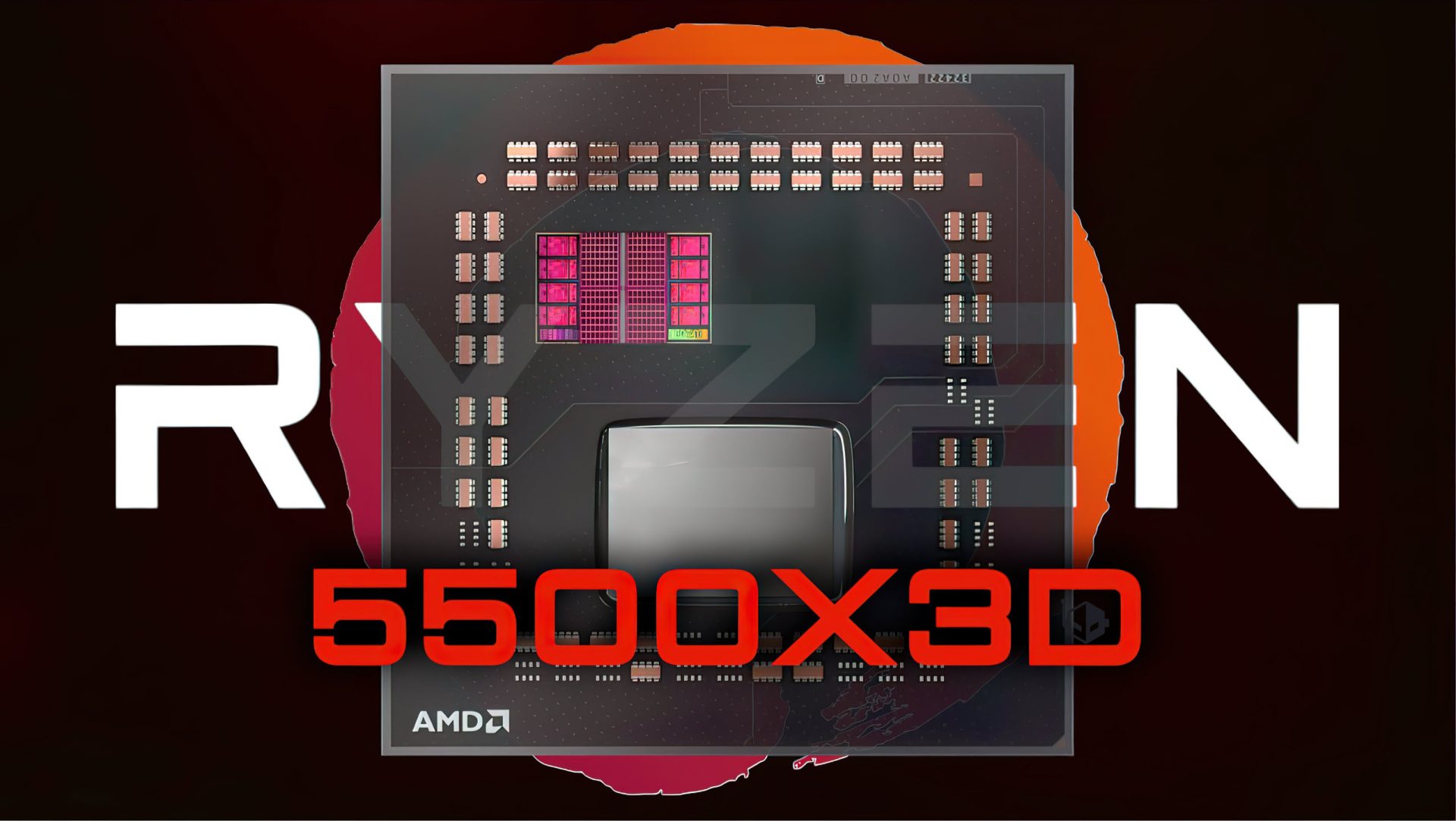
An unexpected CPU is dominating Amazon US sales, and it’s not a shiny new flagship. AMD’s Ryzen 5 5500, a several-year-old Zen 3 processor built for the AM4 platform, is reportedly selling around 4,000 units in a single month—enough to leapfrog more powerful favorites and signal a real shift in what budget PC builders are prioritizing right now.
What’s driving this surge? Rising DDR5 memory prices are pushing many shoppers away from newer platforms that require DDR5, and back toward the tried-and-true value of DDR4. That change in cost calculations is reshaping the “best CPU” conversation on major retailer charts, where overall platform affordability often matters more than raw performance.
Until recently, the Ryzen 7 5800X/5800XT frequently held the top spot in multiple regions and even traded positions with top-tier gaming chips. With its 8 cores and 16 threads, the 5800X/XT has been a go-to upgrade for anyone wanting to squeeze more life out of an AM4 motherboard without rebuilding an entire system. Now, however, the Ryzen 5 5500 has pushed that chip down the rankings, landing the 5800X/XT closer to third.
On paper, the Ryzen 5 5500 leading the pack is surprising. It’s a 6-core, 12-thread CPU that generally lags behind better-known Zen 3 options like the Ryzen 5 5600/5600X and certainly can’t match the 5800X/XT in gaming and productivity workloads. But price is the great equalizer, and the 5500 is currently positioned as the cheapest Zen 3 option widely available.
At roughly $80–$85, it’s one of the easiest recommendations for a low-cost gaming PC build. Pair it with an inexpensive sub-$100 AM4 motherboard, add a 16GB DDR4 kit, and you’ve got the foundation for a wallet-friendly system that can still deliver smooth 1080p gaming when matched with a sensible budget GPU. For many buyers, that total platform cost matters more than paying extra for higher frame rates they may not notice, especially if they’re upgrading an older rig or building a secondary PC.
That doesn’t mean the Ryzen 7 5800XT is fading away. It’s still moving serious volume, with about 2,000 units sold over the same month—roughly half the shipments of the Ryzen 5 5500, yet still strong enough to put it in the same popularity tier as well-known high-performance gaming chips. In other words, there’s still significant demand for “best AM4 upgrade” CPUs, even as the bargain pick steals the spotlight.
The sales data also shows shifts outside AMD’s lineup. Intel’s Core Ultra 200 series (Arrow Lake), previously a weak performer on these charts, appears to be gaining traction. The Core Ultra 7 265K and 285K have each reportedly sold around 500 units, putting them in the mix with several recognizable mid-range Ryzen models.
From a platform perspective, AM5 continues to lead overall, but AM4 still holds a sizable share at about 39%, highlighting just how large the DDR4 user base remains—and why low-cost Zen 3 chips can surge when the market gets price-sensitive.
Looking at brand share, AMD remains overwhelmingly dominant in these Amazon US CPU sales figures at roughly 86.1%, while Intel sits around 13.9%. Interestingly, Intel’s average selling price is higher, at about $313, suggesting that Intel’s buyers may be concentrating more on higher-priced chips while AMD captures a wider range of value and mainstream purchases.
The takeaway is clear: in 2026, “latest generation” isn’t always the winning strategy. With DDR5 costs climbing and budgets tightening, affordable DDR4 builds are back in focus—and the Ryzen 5 5500 is proving that a cheap, capable CPU can outperform newer rivals where it counts most: the checkout page.