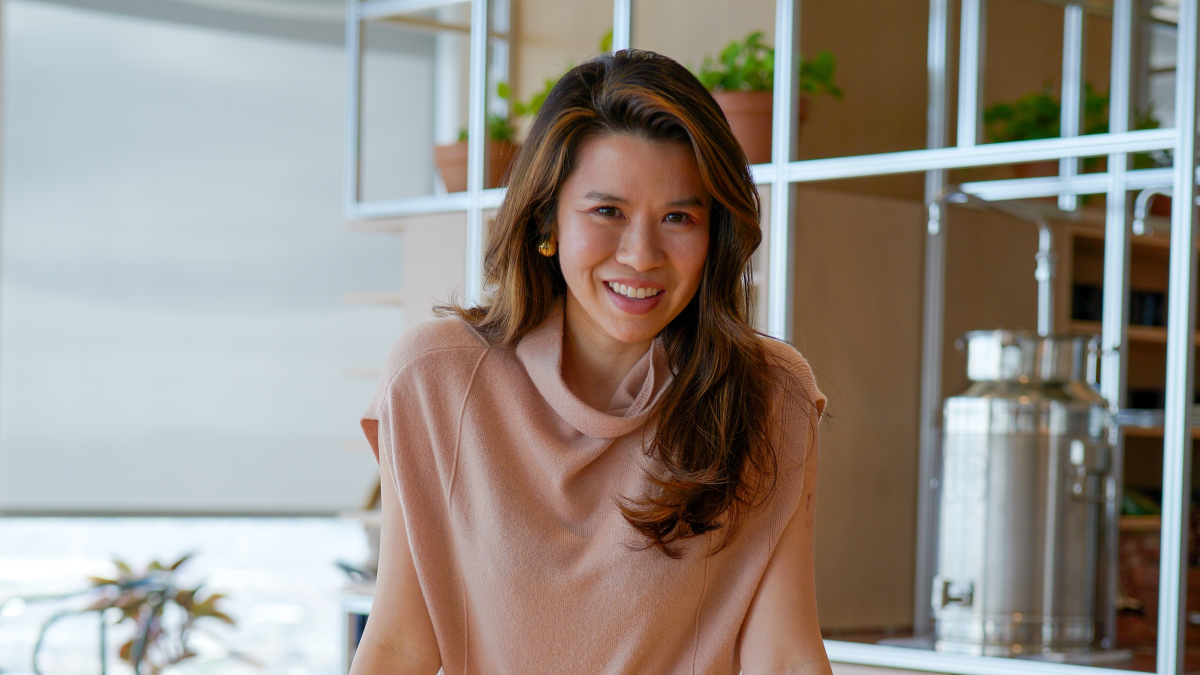
When the world went into lockdown, Harvard-trained physician Jenny Shao watched isolation take a visible toll on people’s minds. Instead of finishing residency, she pivoted to build Robyn, an AI assistant designed to be empathic, emotionally intelligent, and relentlessly focused on human connection.
Robyn isn’t trying to be your therapist, nor is it a flirtatious companion app. Shao makes the distinction clear: technology should support, not replace, clinical care or real relationships. Think of Robyn as a thoughtful partner who remembers what matters to you, spots patterns in your behavior, and nudges you toward healthier habits.
That memory is no accident. Before medical school, Shao researched how humans form and store memories in Eric Kandel’s lab. She channeled those insights into Robyn’s emotional memory system so the assistant can understand your preferences, recall prior conversations, and adapt to you over time.
On iOS, Robyn starts with a short onboarding that feels more like a reflective check-in than a questionnaire. You share your goals, how you respond to challenges, and the tone you want from the assistant. From there, you can chat about anything personal—sleep, stress, productivity, conflict, boundaries, or relationships. Ask for a morning routine, and Robyn won’t just spit out a template; it will ask clarifying questions, discuss trade-offs like early screen time, and tailor recommendations based on your reactions and constraints.
As conversations deepen, Robyn generates insights about your patterns, such as your emotional fingerprint, attachment style, love language, growth edge, and inner critic. The team even built a small demo that analyzes public social profiles to preview the kinds of reflective insights Robyn might deliver—without pretending to diagnose or treat anything.
Safety and scope come first. If you express thoughts of self-harm, the app surfaces crisis resources and points to the nearest ER. Robyn also pushes back on requests that fall outside its mission—don’t expect sports scores or party tricks. Its job is to help with personal reflection, emotional resilience, and everyday decisions that shape how you feel and relate to others.
Investors are betting on that focus. Robyn raised $5.5 million in seed funding led by M13, with participation from Google Maps co-founder Lars Rasmussen, early Canva investor Bill Tai, former Yahoo CFO Ken Goldman, and X.ai co-founder Christian Szegedy. Rasmussen said he was drawn to the app’s emotional memory system and the mission to combat disconnection by helping people recognize patterns and reconnect with themselves. M13 partner Latif Parecha emphasized the importance of strong guardrails and clear escalation paths when real danger is involved. The team has grown from three to ten this year.
The biggest challenge ahead is the one that defines the category: keeping users safe while discouraging over-attachment to a chatbot. Robyn’s answer is to stay firmly in the lane of supportive partner—not clinician, not romantic stand-in—while building tools that strengthen your capacity for real-world connection.
Robyn is launching in the U.S. after months of private testing. The app is paid: $19.99 per month or $199 per year. If you’re looking for an AI that listens closely, remembers thoughtfully, and helps you make sense of your inner world—without pretending to be your therapist—Robyn aims to be that steady companion.