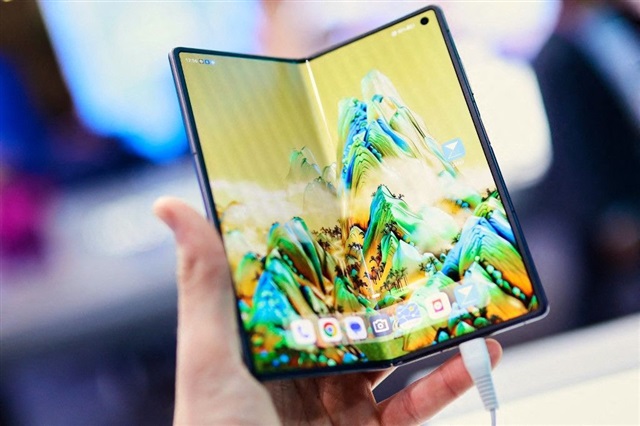
Foldable Phone Market Gears Up for a Major Second-Half Launch Wave
The foldable phone market is preparing for one of its busiest periods yet, with major brands expected to introduce new devices in the second half of the year. Samsung, Huawei, Apple, and several Chinese smartphone makers are all lining up fresh foldable models, setting the stage for stronger competition and potentially higher shipments in 2026.
Foldable smartphones have moved far beyond early experimental designs. What was once a niche category is now becoming a serious part of the premium smartphone market. Consumers are showing more interest in devices that combine the portability of a phone with the larger screen experience of a tablet. As technology improves, foldables are becoming thinner, more durable, and more practical for everyday use.
Samsung is expected to remain one of the biggest players in the segment, thanks to its experience with book-style foldables and compact flip phones. The company has spent years refining hinge designs, display durability, multitasking features, and software tools that make larger screens more useful. Its next-generation devices are likely to focus on slimmer bodies, improved performance, better cameras, and longer battery life.
Huawei is also expected to continue pushing aggressively in the foldable phone space. The brand has been known for bold hardware designs and strong camera technology, and its upcoming models could increase pressure on rivals, especially in China and other key markets. Chinese smartphone brands are also likely to play a major role in the next growth phase, offering creative designs, competitive specifications, and faster innovation cycles.
Apple’s possible entry into the foldable phone market remains one of the most closely watched developments. If Apple launches a foldable iPhone, it could significantly change consumer awareness and bring the category into the mainstream. The company typically waits until a product category is mature enough before entering, so expectations are high for a polished design, strong app support, and a premium user experience.
The second half of the year could bring a wider variety of foldable designs. Book-style foldables are expected to continue improving as productivity-focused devices, while flip-style foldables may appeal to users looking for compact phones with modern features. Brands may also experiment with lighter materials, more advanced hinges, thinner display layers, and improved crease reduction.
However, higher prices may remain a challenge. Foldable phones are still more expensive to produce than traditional smartphones, mainly due to complex hinge systems, flexible displays, and specialized components. As a result, many upcoming models are expected to target premium buyers. Even so, stronger competition could gradually push prices down over time, making foldables more accessible to a wider audience.
The expected wave of new foldable phones could also influence app development. Larger and flexible screens require better software optimization, including improved multitasking, split-screen modes, adaptive layouts, and smoother transitions between folded and unfolded states. As more foldable devices reach consumers, app developers may have stronger reasons to design experiences specifically for these form factors.
Supply chains could also benefit from the growing demand. Display makers, hinge suppliers, battery manufacturers, and component producers may see rising orders as brands prepare for larger production runs. If shipments increase in 2026, the foldable phone ecosystem could become more stable, helping manufacturers reduce costs and improve reliability.
For consumers, the next wave of foldable smartphones could mean more choices than ever before. Buyers may be able to choose between productivity-focused foldables, stylish compact flip phones, camera-centric models, and high-end devices designed for entertainment and gaming. The growing variety could make foldables more appealing to users who previously viewed them as too expensive or too fragile.
The foldable phone market is entering a crucial stage. With Samsung, Huawei, Apple, and Chinese competitors preparing new launches, 2026 could become a turning point for the category. Better designs, broader availability, and stronger software support may help foldable smartphones move closer to mainstream adoption, reshaping the future of mobile devices.