How small can Windows 7 get and still boot? A Windows enthusiast who goes by @XenoPanther has pushed the classic OS to an extreme, assembling a stripped-down build that occupies just 69 megabytes on disk—yet still manages to reach the desktop.
Shared online on October 29, the project is a pure proof-of-concept. It’s less a usable operating system and more a technical demonstration of just how aggressively Windows 7 can be trimmed while preserving a successful boot sequence. The package contains only 295 files, including a handful of logs, and the creator notes it could likely be pared back even further.
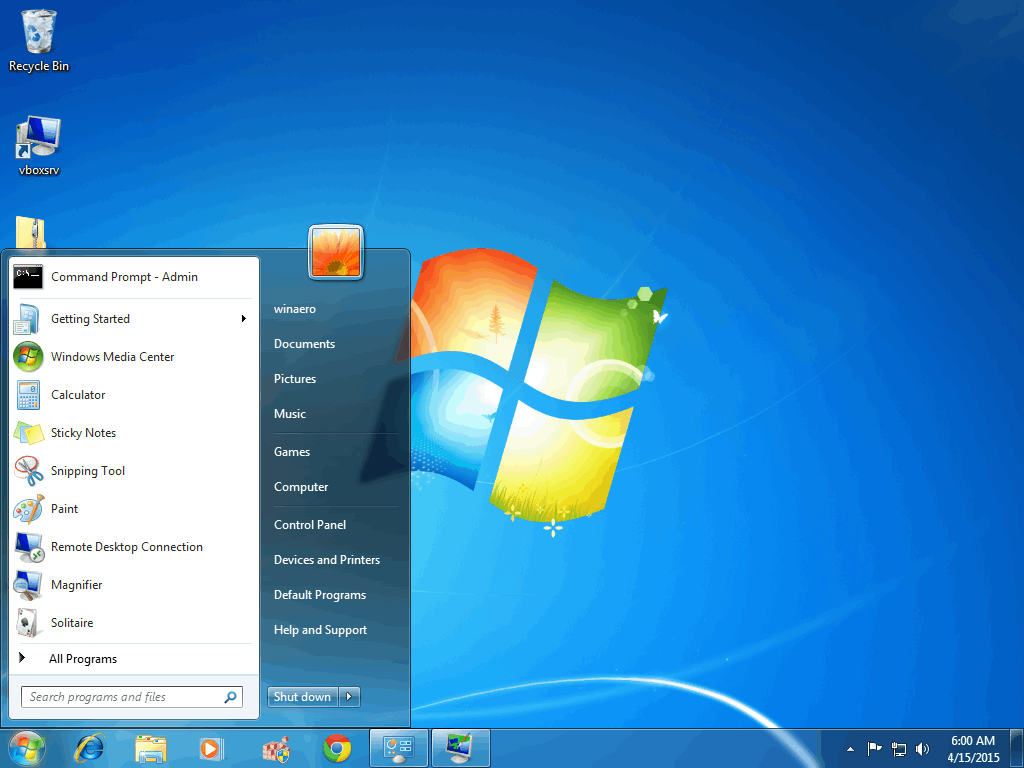
Screenshots show the minimalist build landing on the familiar Windows 7 desktop, complete with the “This copy of Windows is not genuine” notification. The creator joked that at least the validation check still works—a small nod to how many core services have been excised but certain system checks remain intact.
There’s a big catch: the build can’t run most software out of the box. Key libraries and components—such as common dialog and control elements—are intentionally missing, so even simple programs refuse to launch. Anyone hoping to do more than admire the boot screen would need to manually add back essential system files. In other words, it’s a fascinating engineering exercise, not a daily driver.
Even with those limits, the project has struck a chord with OS tinkerers, retro computing fans, and lightweight build enthusiasts. It highlights two things: the remarkable flexibility of Windows 7’s architecture and the enduring curiosity of the modding community to see how far a mature platform can be customized. For a 2009 operating system, achieving a clean boot from a 69MB footprint is as much a nostalgia hit as it is a showcase of technical finesse.
While the current iteration has been made available for public viewing on a well-known internet archive, the creator is clear about expectations. This is not meant for productivity, gaming, or even light computing. It’s a sandbox for experimentation, a conversation starter about system internals, and a reminder that “lightweight” can mean very different things depending on your goals.
For those interested in the nitty-gritty of minimal OS design, the project provides a rare look at the bare necessities required to initialize Windows 7. For everyone else, it’s a neat piece of computing trivia: yes, Windows 7 can boot from just 69MB—but you’ll be adding a lot back in if you want to do anything with it.