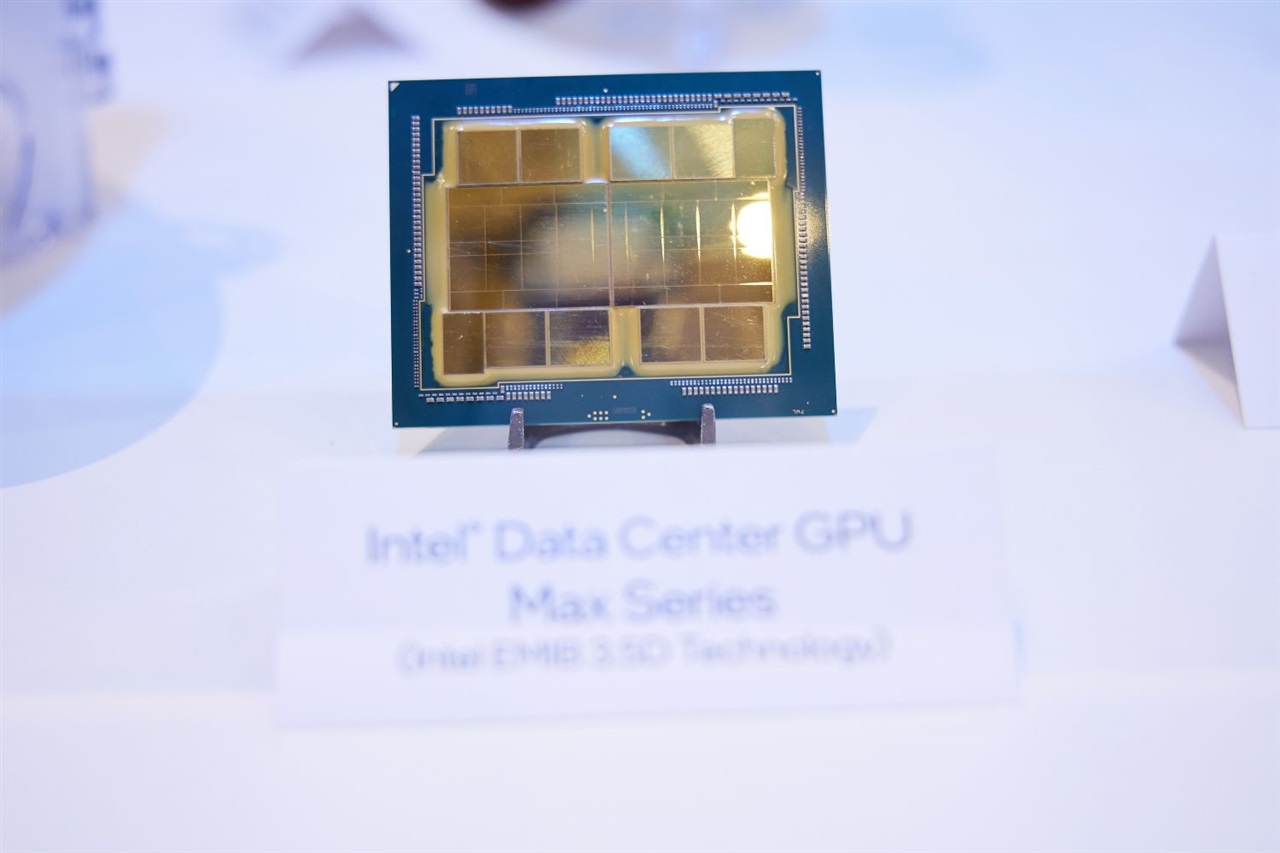
The server AI accelerator market is expected to experience a significant surge as demands for artificial intelligence (AI) capabilities grow. Projections indicate that the shipment of high-end server AI accelerators will witness an impressive increase, more than doubling in 2024. This upsurge is anticipated to result in the delivery of 7.67 million units, marking a substantial uptick in the use of AI in server environments.
As the sector expands, Nvidia is poised to take the lead, boasting an estimated market share of 46.7%. Close on its heels is Google, projected to hold a 33.1% slice of the market. The production of these high-end accelerators is highly dependent on sophisticated process and packaging technologies, with major reliance on TSMC’s advanced 4/5nm process technology and CoWoS-S (Chip on Wafer on Substrate) advanced packaging technology. This reliance underscores the challenges that other integrated circuit (IC) manufacturers, such as Intel and Samsung, face in carving out significant roles in the manufacturing and packaging arenas for high-end server AI accelerators.
From a demand perspective, the landscape is shaped by significant investment and deployment of related services by global large server datacenter operators, continuing throughout 2024. This is expected to drive a notable rise in the procurement of high-end AI servers to support the burgeoning needs for AI applications.
Conversely, the supply side is characterized by the anticipated expansion of production capacities, particularly focusing on 2.5D and 3D packaging processes as well as high-bandwidth memory (HBM). These expansions are crucial for the support of sophisticated AI processing tasks that require high data throughput and rapid memory access.
Shifting gears to practical advice and insights, businesses and technologists looking to harness the power of server AI accelerators should keep abreast of these market trends. To capitalize on the technological advancements in AI server technologies, companies should consider the following actionable steps:
1. **Evaluate AI Needs:** Assess the specific AI computing tasks and workloads to understand what kind of AI acceleration is necessary for your operation.
2. **Explore Market Leaders:** Look into products offered by market leaders like Nvidia and Google that are setting the pace in AI acceleration performance.
3. **Understand Technology Dependencies:** Dive into the technology prerequisites for high-end AI accelerators—including advanced process technologies and packaging methods such as CoWoS-S and HBM—to ensure compatibility and optimal performance.
4. **Plan for Scalability:** As the market grows, consider the scalability of AI accelerators in your server infrastructure to accommodate future needs without major overhauls.
5. **Stay Updated:** Keep an eye on market and technology trends to take advantage of new developments that can boost your AI capabilities.
As server AI accelerators become increasingly integral to meeting the processing needs of complex AI workloads, staying informed about the market and technological trends is more crucial than ever. By integrating this knowledge into strategic planning, organizations can enhance their competitive edge in a rapidly evolving digital landscape.