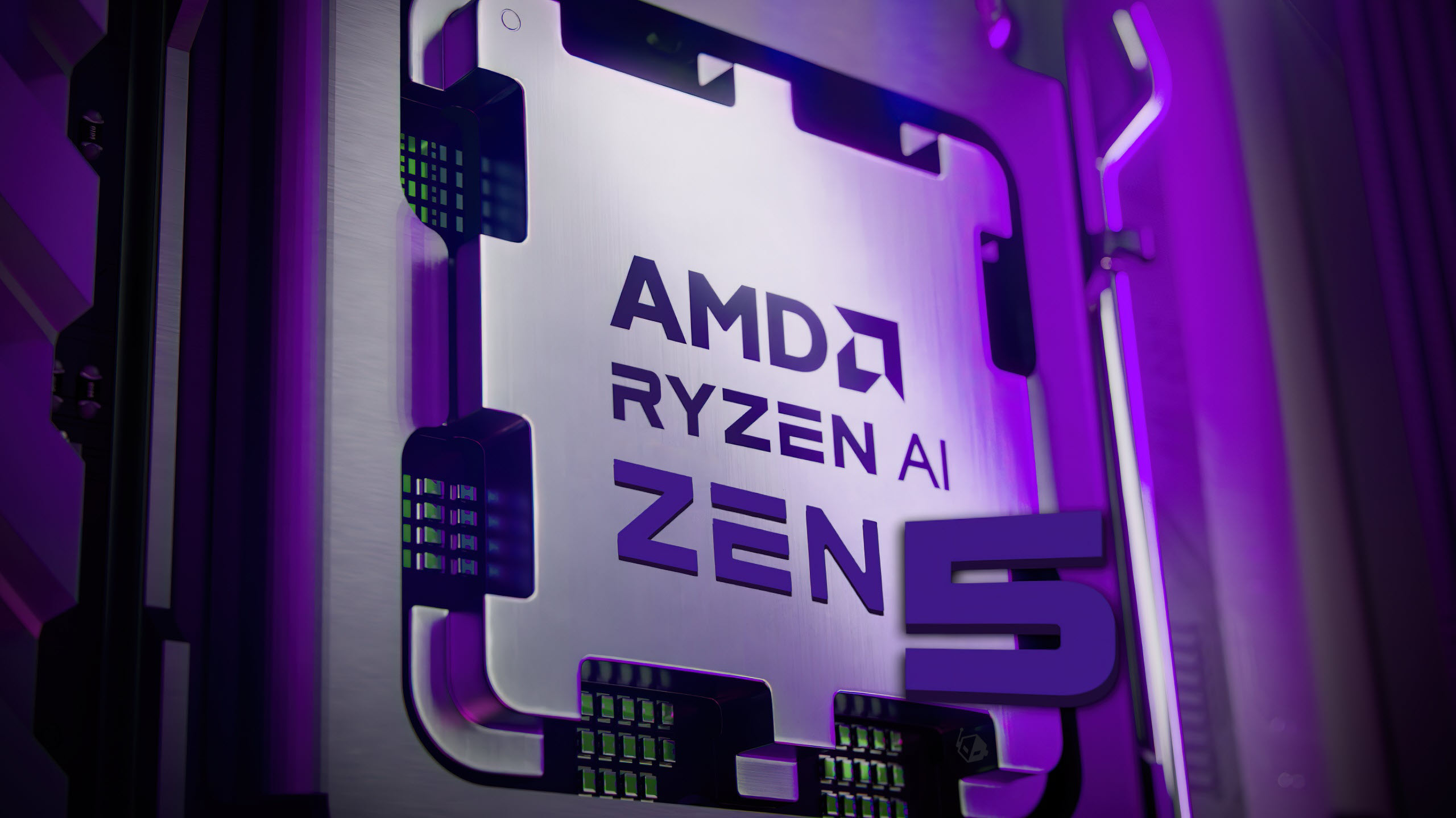
AMD is gearing up to unveil an impressive range of CPUs across various segments, including mobile, desktop, workstation, and servers. These new offerings are based on the anticipated Zen 5 architecture, although many will be refreshed versions of current families.
For the mainstream market, AMD plans to introduce the Gorgon Point series, targeting both desktop and mobile platforms. The desktop variant will continue using the AM5 socket, launching as the Ryzen 9000G series, which builds on the previous Ryzen 8000G family. These chips will feature advanced APUs with integrated RDNA 3.5 graphics.
In the mobile arena, the Gorgon Point series will come in three flavors: Gorgon Point 1, 2, and 3. These are speculated to offer configurations with up to 12, 8, and 6 cores, respectively. While details remain speculative, the excitement around these releases is palpable.
The Krackan Point Refresh is also on the horizon, using the FP8 socket, common to both the Strix Point and Krackan Point series. Additionally, the Medusa Point family will utilize the slightly larger FP10 socket and represent a leap forward with the Zen 6 architecture.
AMD’s Soundwave lineup is expected to leverage the FF5 socket, promising a hybrid configuration with 6 cores, split between performance and efficiency, all based on Zen 6. On the workstation front, the Threadripper 9000 series, known as Shimada Peak, is set to deliver up to 96 cores, catering to high-performance needs with rumored budget-friendly options.
In the data center sector, AMD is preparing the EPYC Fire Range for mobile systems using the FL1 socket and the EPYC Grado for desktops with the AM5 socket, aimed at providing cost-effective solutions. The Grado lineup, based on Zen 5 architecture, will follow the EPYC 4005 naming scheme.
Overall, AMD’s upcoming releases promise to solidify its position in various market segments, catering to a wide array of computing needs with cutting-edge technology.