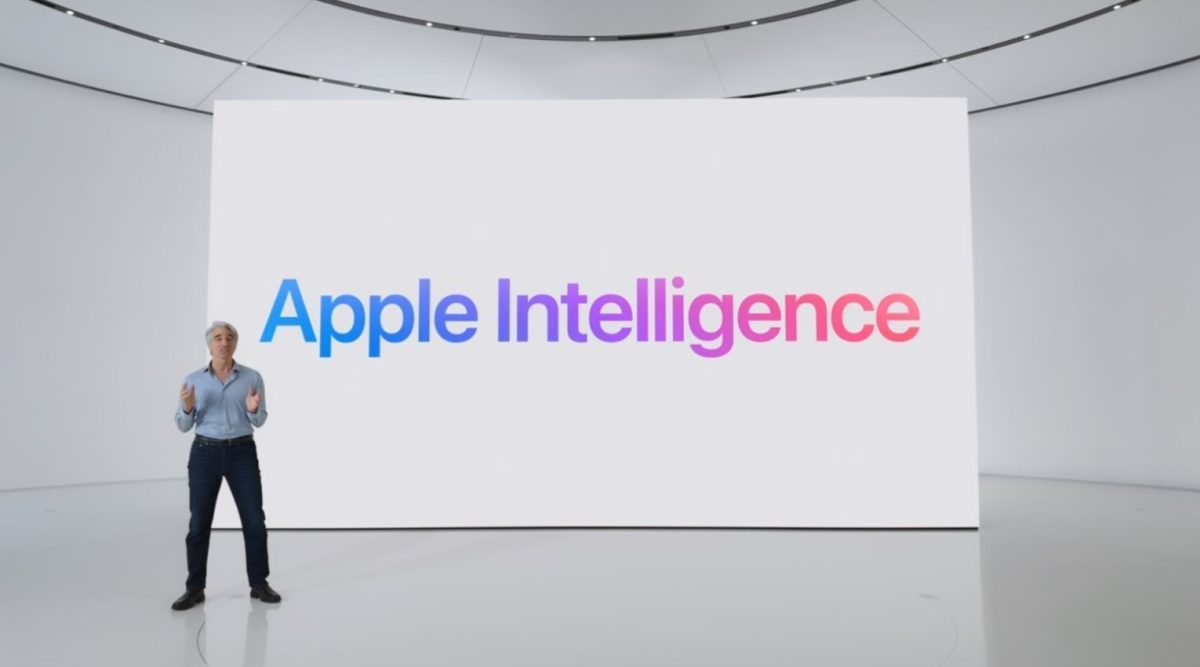
Apple’s Worldwide Developers Conference (WWDC) 2024 marked a significant leap into the realm of Artificial Intelligence (AI). The event was headlined with the introduction of “Apple Intelligence,” signaling Apple’s dedication to integrating AI into its ecosystem. One of the highlights announced for the upcoming iOS 18 was a partnership with OpenAI, introducing the ChatGPT technology to iPhone users as a means to bolster Siri’s capabilities.
However, Apple acknowledged the necessity to embrace a broader AI strategy, including partnering with other AI platforms. Notably, the tech leader is reportedly exploring partnerships in China to expand the reach of Apple Intelligence. The company’s intention is to compete effectively in a market where its services face limitations due to unavailability in the region.
Recent developments indicate that Apple is in talks with several potential partners in China, including prominent companies like Baidu, Alibaba Group, and Baichuan AI. These discussions, examined by credible sources, are part of Apple’s strategy to delve into the second-largest smartphone market, hoping to make a substantial impact.
Despite the push, it remains uncertain when or whether Apple will successfully forge these partnerships in China. The challenges are not trivial, as penetrating the Chinese market often involves a rigorous government approval process, especially for Language Learning Models (LLMs). Few international businesses have made significant headway with AI products in the populous nation.
The timeline for the Chinese expansion of Apple Intelligence is still in question. An adaptation tailored to the local market may not be ready by the projected date, with the possibility of a debuting later than expected. Looking ahead, Apple has also outlined plans to introduce support for additional languages starting in 2025.
Apple’s measured pace in developing its AI capabilities in China is apparent in comparison to local competitors. Chinese tech brands such as Vivo, Xiaomi, and Huawei have already gained ground with on-device AI integrations. To capture market growth and remain competitive, Apple must escalate its efforts and offer something distinctive that resonates with local preferences.
The expectation is set for Apple Intelligence to be selective in its initial rollout, potentially reaching a more limited user base with must-have features. As AI continues to become a more integral part of everyday technology, Apple’s strategy in establishing a foothold in the Chinese market will be a significant factor in its overall success in the AI space.


