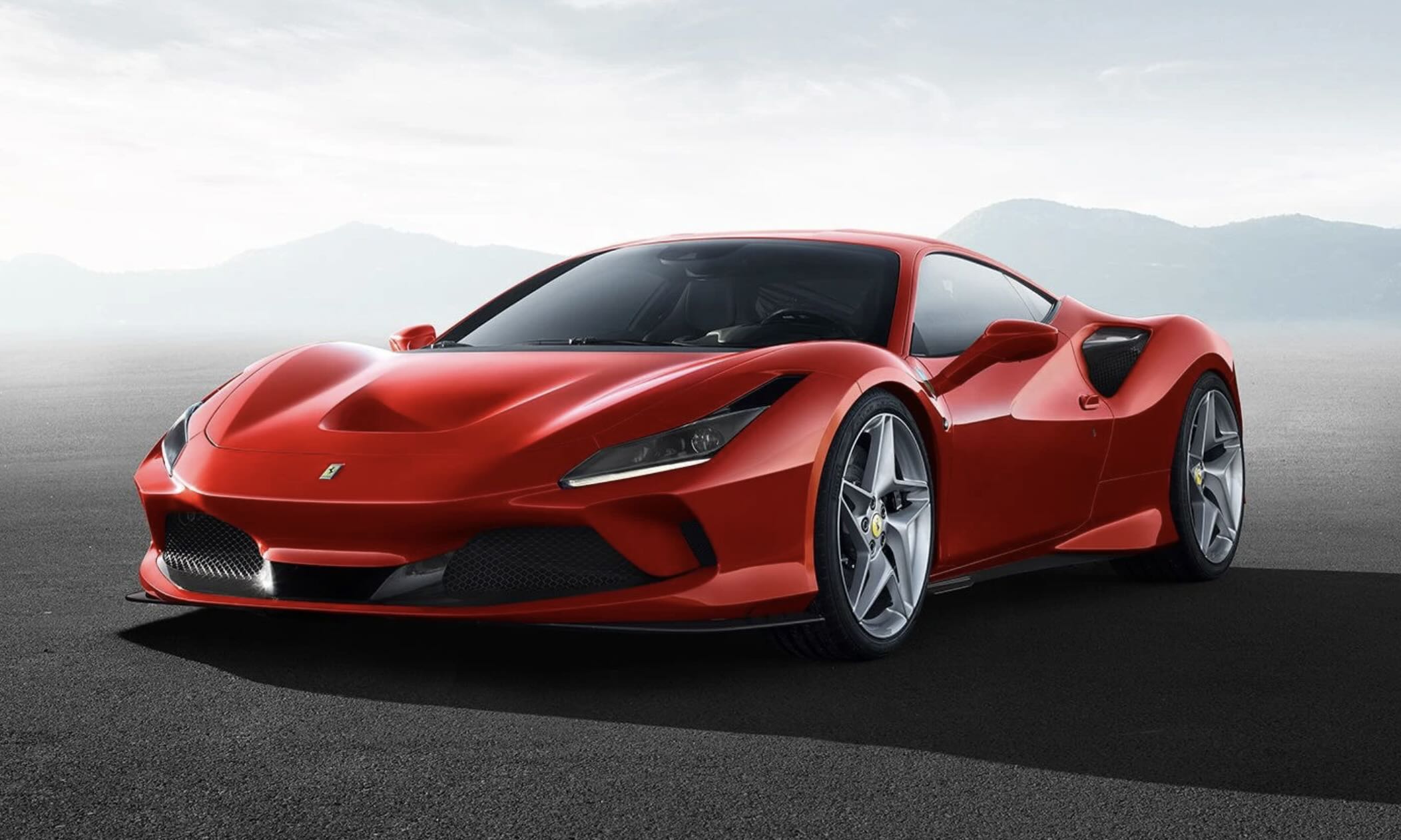
Electric vehicles, known for their whisper-quiet operation, signal a departure from the roar traditionally associated with high-performance supercars. This change poses a significant challenge for brands like Ferrari, which have cultivated a legacy intertwined with the thrum of combustion engines. Overcoming this could mean the integration of strategically placed speakers to simulate traditional engine sounds; however, true authenticity demands more.
Ferrari could potentially embrace a novel approach through mechanical engineering ingenuity. By designing the car’s components—like electric motors and cooling systems—to generate specific frequencies and harmonics, Ferrari might achieve an organically resonant sound that satisfies purists’ expectations. This could also include exploring resonant materials within the vehicle’s structure to bolster desired vibrations, creating an acoustic experience that resonates with the authenticity of a classic Ferrari.
As Ferrari gears up to navigate an electric-centric automotive landscape, the brand faces the task of distinguishing itself in a market with fierce competitors like Rimac, Aspark, and the anticipated Tesla Roadster. To stand out, Ferrari and close rival Lamborghini must not only deliver performance that outpaces others but also ensure that the emotional and sensory driving experience—so vital to their heritage—remains uncompromised in the electric era.


