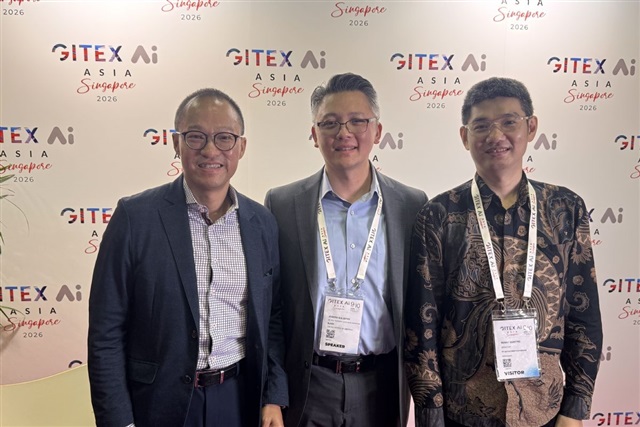
As demand for generative AI evolves, the industry is seeing a major shift away from cloud-only training and toward faster, more efficient AI inference at the edge. Riding this wave, Nokia and AI chip startup Blaize have expanded their partnership in Singapore, introducing a full-stack edge AI solution designed for hybrid, heterogeneous computing. The announcement was revealed at GITEX AI Asia, signaling a push to capture the next phase of enterprise AI deployment across the region.
For many organizations, the challenge is no longer just building AI models in massive data centers. It’s about running those models reliably where the data is created and where decisions need to happen instantly—on factory floors, in retail locations, in logistics hubs, and across connected infrastructure. This is where edge AI inference becomes critical, helping businesses reduce latency, lower bandwidth costs, improve privacy, and keep services running even when connectivity is limited.
The expanded Nokia–Blaize collaboration in Singapore aims to address these needs with a complete stack rather than isolated components. By focusing on a hybrid approach—mixing different types of computing resources depending on the workload—the solution is positioned to support real-world enterprise environments where AI must operate across cloud, edge servers, and smart devices.
The partnership also highlights Singapore’s growing role as a strategic hub for AI infrastructure and deployment in Asia-Pacific. With enterprises looking for practical ways to operationalize generative AI beyond experimentation, full-stack edge inference solutions are becoming more attractive—especially those that can integrate into existing networks and IT environments.
At GITEX AI Asia, representatives from the companies involved appeared alongside local ecosystem partners, underscoring the broader push toward scalable edge AI deployments. As the market accelerates toward edge inference, collaborations like this are expected to play a bigger role in how businesses implement generative AI for everyday operations rather than keeping it confined to cloud-based pilot projects.